







What's Happening?
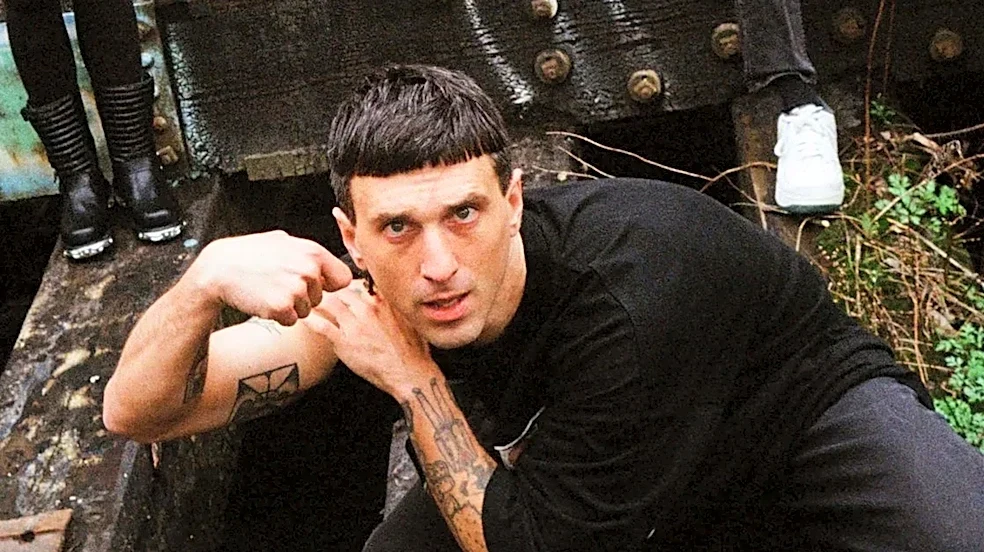
Grian Chatten, frontman of the band Fontaines D.C., has expressed strong disapproval regarding the uncredited use of artificial intelligence in the post-production workflow of their music video for 'Marianne.' The band was unaware that AI had been utilized
until an article reported it, leading to a shock among the band members, their label, and management. Chatten stated that the band will now include clauses in future contracts to explicitly prohibit AI in their music videos. This controversy arose despite the video primarily relying on VFX and prosthetics, with over 110 people involved in its creation, highlighting a disconnect between the creative vision and production execution.
Why It's Important?
This incident with Fontaines D.C. underscores a growing tension within the creative industries regarding the integration of artificial intelligence. For artists, the unauthorized use of AI in their work raises significant concerns about artistic integrity, ownership, and the potential devaluation of human creativity. It highlights a broader ethical debate about AI's role in creative processes and the need for transparency and consent. The band's decision to include anti-AI clauses in future contracts could set a precedent, influencing how other artists and production companies approach AI technology. This development is crucial for the entertainment industry, as it grapples with balancing technological advancement with the preservation of human artistic expression and the livelihoods of creative professionals.
What's Next?
The controversy surrounding Fontaines D.C.'s music video is likely to fuel further discussions and policy changes within the music and broader entertainment industries regarding AI usage. Artists and their representatives may increasingly demand explicit contractual agreements that address AI, ensuring transparency and control over its application in their projects. This could lead to the development of industry-wide standards or guidelines for AI integration in creative works. For AI developers, this incident serves as a reminder of the ethical considerations and the importance of clear communication with clients about the tools and processes used. The debate will continue to evolve as technology advances, pushing stakeholders to define the boundaries and responsible use of AI in creative fields.
Beyond the Headlines
The deeper implication of Grian Chatten's strong stance against AI, particularly his comment that AI is 'rendering our souls obsolete,' reflects a profound existential concern within the creative community. This sentiment goes beyond mere contractual disputes, touching upon the very essence of human purpose and artistic value in an increasingly automated world. The irony of a band known for addressing contemporary issues facing an AI controversy highlights the pervasive and often unexpected ways technology infiltrates daily life and creative endeavors. This situation could catalyze a broader cultural conversation about the long-term impact of AI on human identity, creativity, and the arts, prompting a reevaluation of what it means to create and consume art in the digital age.