








What's Happening?
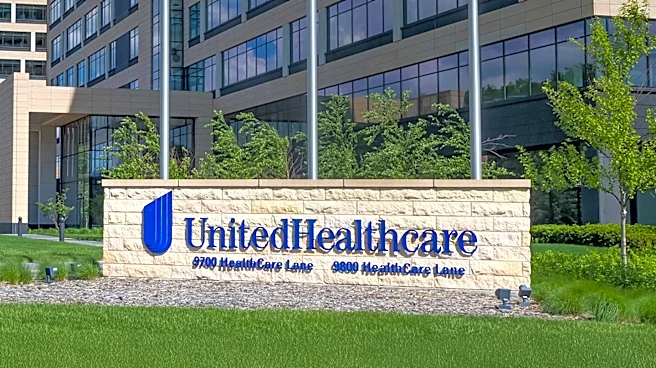
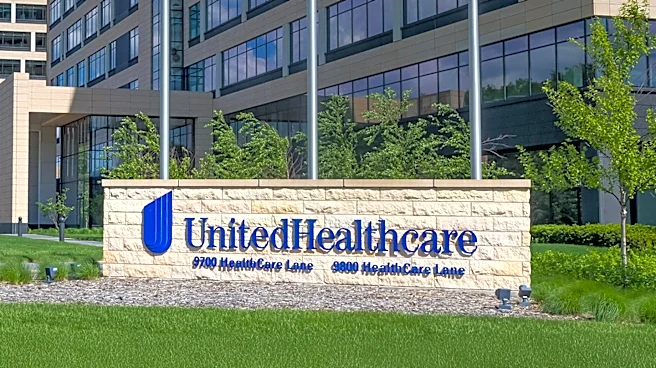
UnitedHealth Group (NYSE:UNH) recently announced third-quarter earnings that surpassed market expectations and subsequently increased its full-year adjusted earnings guidance. This development occurred during a period of intense scrutiny for managed-care
companies. The positive financial results suggest a stabilization for the company after several quarters marked by elevated medical spending, which had negatively impacted its stock performance. A key factor in this improved outlook was a lower medical cost ratio compared to the previous year, indicating better control over medical claims. The company attributed this improvement to disciplined execution, including firmer pricing strategies, changes in benefit design, and more stringent cost management across its various coverage plans. This performance is particularly significant given UnitedHealth Group's position as a major player in the managed-care sector, making its financial health a bellwether for the broader medical economy.
Why It's Important?
UnitedHealth Group's financial trajectory holds substantial weight for the entire U.S. healthcare system. As the largest entity in the managed-care sector, its claims experience serves as a critical indicator for medical cost trends nationwide. Competitors, healthcare providers, and market participants closely analyze UnitedHealth Group's quarterly reports for insights into the direction of medical spending and how health plans are adapting. The company's scale provides significant leverage in negotiating medicine prices, contracting with providers, and distributing fixed costs across a vast member base. This extensive reach also generates a massive volume of medical data, which its services arm, Optum, utilizes to coordinate care, identify high-cost cases early, and guide patients toward more cost-effective care settings. The improved third-quarter results and raised guidance offer a measure of relief to the broader healthcare sector, suggesting that cost trends might be stabilizing, which could influence pricing and benefit design across the industry.
What's Next?
Moving forward, UnitedHealth Group's primary challenge will be to sustain its margin improvements while medical utilization remains elevated. The company aims to continue growing its services arm, Optum, which acts as a stable counterweight to the more volatile benefits base. Optum's revenue, derived from managing medicines, coordinating care for chronic conditions, and providing analytics, is less susceptible to the fluctuations in medical claims. The company will likely continue to refine its pricing strategies and benefit designs to accurately reflect medical trends rather than reacting to them. The broader managed-care industry will be watching closely to see if UnitedHealth Group's strategies for managing costs and improving profitability can be replicated, especially given ongoing uncertainties such as government reimbursement rules for senior coverage and public scrutiny over medical pricing and pharmacy management practices. Continued growth in its services division and effective management of its diverse membership mix will be crucial for its sustained performance.
Beyond the Headlines
The performance of UnitedHealth Group extends beyond its financial statements, touching upon fundamental aspects of healthcare delivery and policy in the U.S. The company's data-driven approach to managing medical trends highlights a broader shift towards leveraging technology and analytics to optimize healthcare outcomes and costs. This emphasis on data and scale raises questions about patient privacy, data security, and the potential for market dominance in healthcare services. Furthermore, the ongoing debate surrounding medical pricing and pharmacy management practices, coupled with regulatory scrutiny, underscores the complex ethical and legal landscape in which large healthcare enterprises operate. UnitedHealth Group's ability to navigate these challenges while maintaining profitability and delivering quality care will be a significant test, potentially influencing future regulatory frameworks and the public's perception of managed care.