

What's Happening?
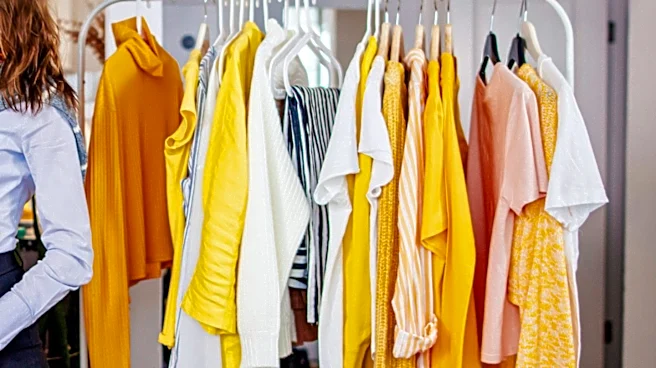
Fashion stylists are offering guidance on fabric selection for women with curvy figures, emphasizing that material choices can significantly impact visual proportions and overall comfort. The advice highlights the importance of opting for natural, breathable
fabrics over synthetics to prevent discomfort and sweating, particularly in areas like under the bust and inner thighs. However, caution is advised with dense, loose, or boucle natural fabrics, as these can inadvertently add visual volume. The recommendations also delve into the nuances of fabric weight and texture, suggesting that while thin, soft fabrics might accentuate perceived flaws by clinging to the body, denser materials like cotton that hold their shape are often more flattering. Oversized styles, such as shirt-type garments, are presented as an excellent choice for their ability to provide both comfort and a stylish silhouette. The discussion extends to specific materials like cashmere, silk, and denim, offering tailored advice for each to ensure optimal aesthetic and feel for curvy body types.
Why It's Important?
This guidance is important for the fashion and retail industries, as it directly addresses a significant consumer demographic often seeking specific advice on how to dress effectively. By providing clear recommendations on fabric types, stylists are helping to demystify fashion for curvy women, potentially increasing their confidence in purchasing decisions. For retailers, understanding these preferences can inform inventory selection and marketing strategies, leading to better customer satisfaction and sales. The emphasis on comfort and natural fabrics also aligns with broader consumer trends towards sustainability and well-being in clothing choices. Furthermore, by highlighting how certain fabrics can either flatter or detract from a curvy figure, the advice empowers individuals to make more informed choices that enhance their personal style and comfort, moving beyond generic fashion rules to more nuanced, body-specific recommendations.
What's Next?
The continued dissemination of such specific fashion advice is likely to influence consumer purchasing habits, with a potential shift towards natural, structured fabrics and away from synthetics or overly clingy materials for women with curvy figures. Fashion brands and designers may respond by incorporating more of these recommended fabrics into their collections, particularly in lines aimed at diverse body types. We might see an increase in the availability of well-structured cotton, fine wool, alpaca, and specific silk blends that are highlighted as flattering. Retailers could also adjust their merchandising to better showcase garments made from these materials, perhaps with clearer labeling or styling tips in-store and online. Educational content from stylists and fashion influencers focusing on fabric science and its impact on different body shapes is also expected to grow, further empowering consumers.
Beyond the Headlines
Beyond immediate fashion choices, this discussion touches upon broader societal perceptions of body image and inclusivity within the fashion industry. For years, mainstream fashion has often catered to a narrow range of body types, leaving many women feeling underserved or misunderstood. By providing practical, actionable advice for curvy figures, stylists contribute to a more inclusive fashion dialogue, validating diverse body shapes and promoting self-acceptance. This focus on how clothing feels and performs, rather than just how it looks on a runway model, underscores a shift towards functional fashion that prioritizes the wearer's experience. It also subtly challenges the notion that certain body types are 'difficult' to dress, instead offering solutions that celebrate and enhance natural curves through thoughtful material selection and design. This evolution in fashion advice reflects a growing demand for authenticity and practicality in personal style.