



What's Happening?
In U.S. interior design and construction, FF&E stands for Furniture, Fixtures, and Equipment. This term encompasses items that complete a space and make it usable without being part of the building's primary structure. While a common simplification suggests
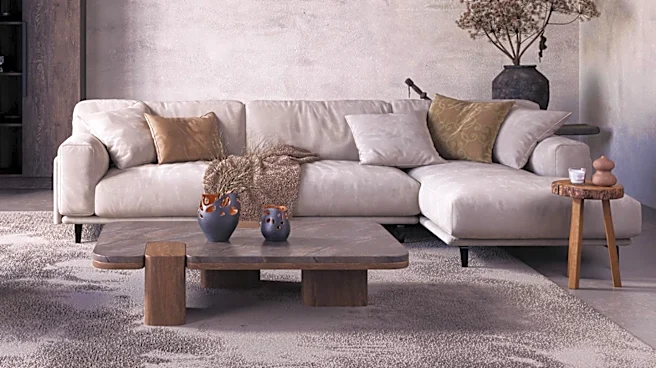
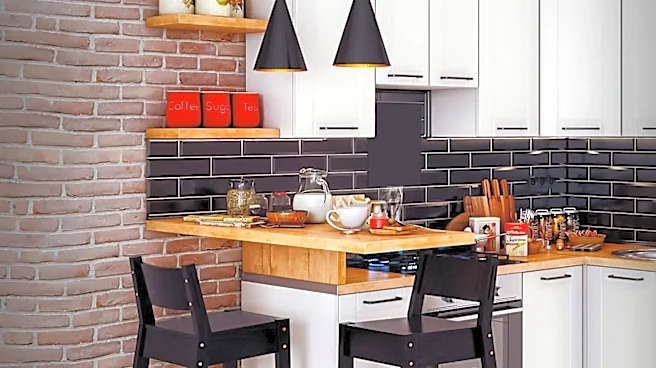
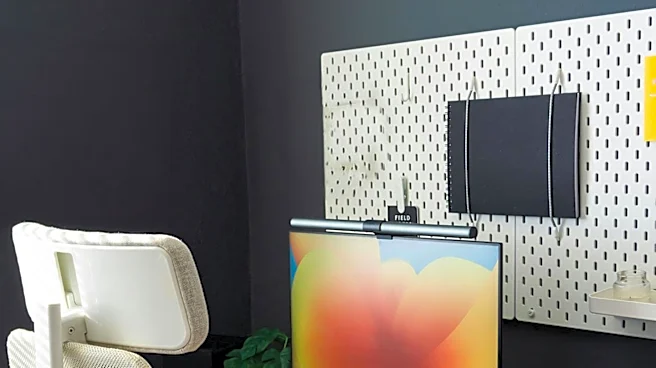
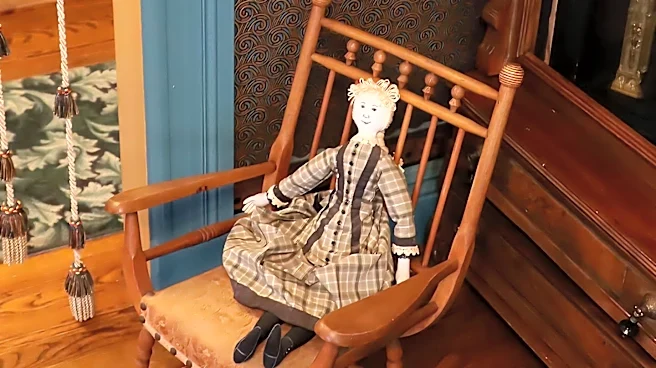
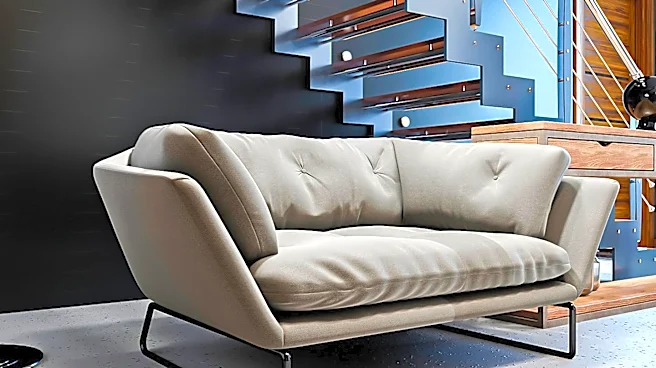
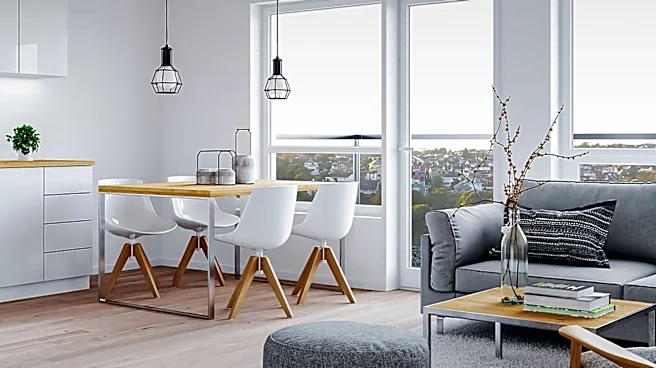
FF&E refers to anything movable, the actual scope is more nuanced and depends heavily on project documents, designer responsibilities, and procurement specifics. Furniture includes items like sofas, desks, and beds. Fixtures can range from decorative lighting and window treatments to mirrors and artwork, with their classification sometimes shifting between FF&E and permanent building elements. Equipment covers operational items such as televisions, AV equipment, appliances, and office equipment. The U.S. Department of Defense's UFC 3-120-10 Interior Design guidance highlights this flexibility, noting that item assignments can vary across projects. The key distinction is not just movability, but how an item is defined within the project's scope, documentation, purchasing, and installation plan.
Why It's Important?
The precise understanding and application of FF&E terminology are crucial for efficient project management, cost control, and clear communication within the U.S. interior design and construction industries. Misinterpreting FF&E can lead to significant project delays, budget overruns, and disputes over responsibilities. For instance, a seemingly simple decision like selecting theater seating involves complex coordination regarding electrical access, room dimensions, and installation logistics. Early and accurate FF&E planning ensures that critical dependencies, such as power requirements for powered recliners or structural support for certain fixtures, are addressed before construction progresses too far. This prevents costly rework and ensures that the final space meets both aesthetic and functional requirements. Clear FF&E definitions also protect stakeholders by delineating who is responsible for specifying, approving, purchasing, and installing each item, thereby minimizing ambiguity and potential legal issues.
What's Next?
As projects evolve, the initial design idea for FF&E items must transition into detailed specifications and coordinated plans. This involves moving from a general concept, such as 'comfortable black theater seating,' to precise details like exact seating configuration, dimensions, upholstery, power requirements, and installation clearances. Project teams will need to continuously check product information against room layouts and operational needs. The next steps typically involve formalizing FF&E specifications, creating detailed schedules that track items, quantities, locations, and approval statuses, and then initiating the procurement process. This procurement phase includes sourcing, pricing, ordering, tracking, receiving, and installing the items. Designers and project managers will focus on resolving any remaining dependencies and ensuring that all FF&E elements are integrated seamlessly into the overall building design and functionality.
Beyond the Headlines
The concept of FF&E extends beyond mere categorization; it represents a critical framework for translating design vision into tangible reality within the built environment. The ongoing challenge lies in the dynamic nature of projects, where the classification of items can shift based on specific agreements and project scopes. This highlights a broader industry need for standardized yet flexible documentation practices that can accommodate variations while maintaining clarity. Ethically, transparent FF&E definitions foster trust among clients, designers, and contractors by setting clear expectations and responsibilities. Culturally, the meticulous planning of FF&E reflects a commitment to detail and functionality, ultimately shaping user experience and the long-term value of a space. The evolution of FF&E practices will likely continue to emphasize early coordination and comprehensive documentation to mitigate risks and enhance project success.