



What's Happening?
Laureles, a neighborhood in Medellín, Colombia, has become a leading destination for digital nomads in Latin America. Recognized by Time Out as a top neighborhood globally, Laureles attracts remote workers due to its flat, walkable terrain, affordability
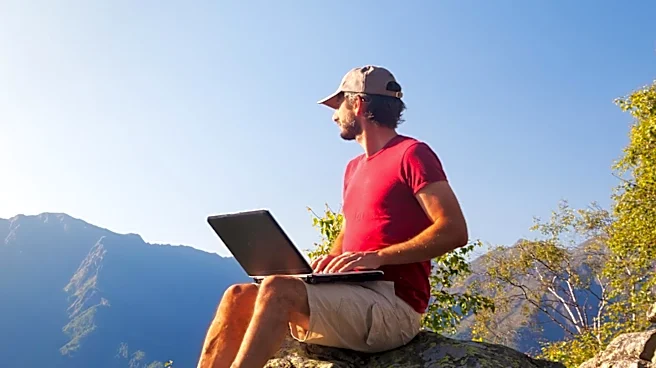
compared to other areas like Poblado, and an abundance of cafes and parks. The area maintains a distinct Colombian cultural feel, avoiding the typical 'tourist bubble' atmosphere. Key amenities for digital nomads include reliable fiber internet, numerous laptop-friendly cafes such as Café Revolución and La Gatoria, and various coworking spaces like La Casa Redonda and Semilla Café. The neighborhood also offers plentiful furnished apartments, often cheaper than in Poblado, with options for co-living houses. Its 'eternal-spring' weather further enhances its appeal, making it a comfortable year-round location for remote work.
Why It's Important?
The rise of Laureles as a digital nomad hub signifies a broader trend in remote work, where professionals are increasingly seeking international locations that offer a high quality of life at a lower cost of living. This shift impacts local economies by bringing in foreign currency and stimulating demand for services like cafes, coworking spaces, and rental properties. For U.S. digital nomads, destinations like Laureles provide an opportunity to extend their purchasing power and experience diverse cultures while maintaining their careers. The concentration of remote workers also fosters a unique community, facilitating networking and collaboration among professionals from various industries. This trend could influence urban planning and development in other cities looking to attract remote workers, highlighting the importance of infrastructure, affordability, and community amenities.
What's Next?
As Laureles continues to grow in popularity, it is likely to see further development in its infrastructure and services catering to digital nomads. This could include an increase in specialized co-living spaces, more diverse coworking options, and a greater variety of international dining and entertainment venues. The influx of remote workers may also lead to a gradual increase in rental prices and the cost of living, potentially impacting the affordability that initially attracted many. Local businesses and authorities will need to balance the economic benefits with the need to preserve the neighborhood's authentic character and ensure sustainable growth. The success of Laureles could also inspire other Latin American cities to invest in similar initiatives to attract the growing digital nomad population.
Beyond the Headlines
The phenomenon of digital nomad hubs like Laureles raises deeper questions about cultural integration and the long-term impact of transient populations on local communities. While digital nomads bring economic benefits, their presence can also lead to gentrification, displacement of local residents, and a shift in cultural dynamics. The emphasis on 'feeling like Colombia rather than a tourist bubble' highlights a desire among nomads for authentic experiences, yet their collective presence inevitably alters the local landscape. This trend also underscores the evolving nature of work and global mobility, challenging traditional notions of residency and community. The need for policies that promote equitable development and foster genuine connections between nomads and locals will become increasingly important to ensure mutual benefit and avoid potential social friction.