





What's Happening?
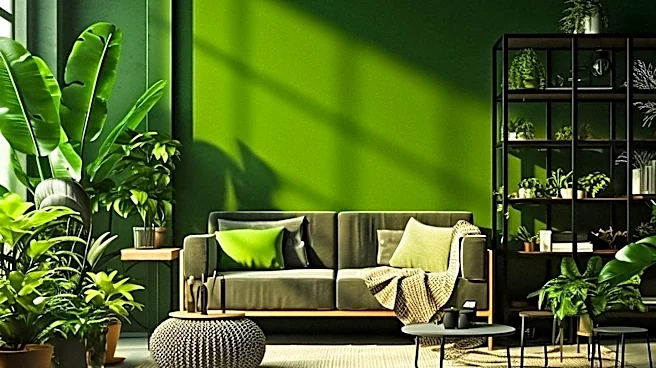
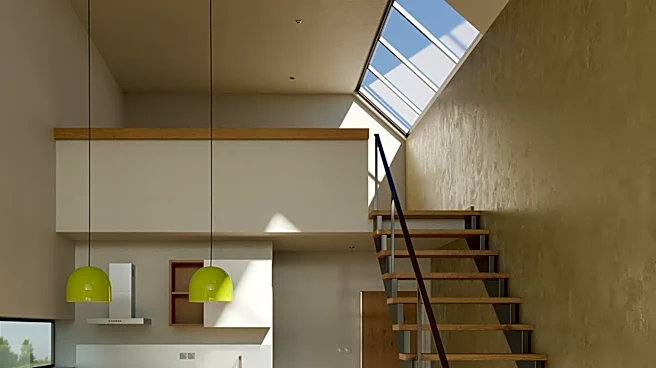
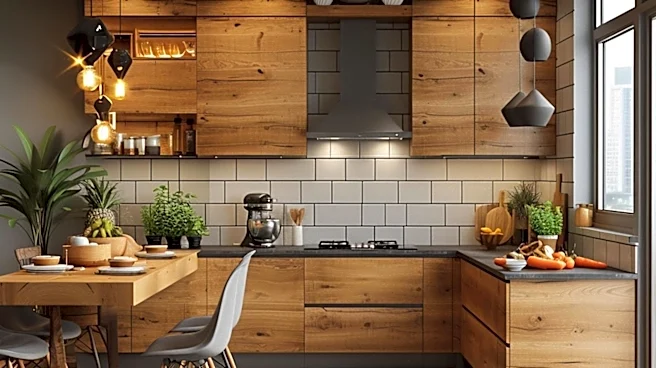
Maco Structures is highlighting the advantages of using a 16x40 building for tiny home conversions. The company emphasizes the flexibility offered by starting with an empty shell, allowing homeowners to design interiors based on personal preferences and
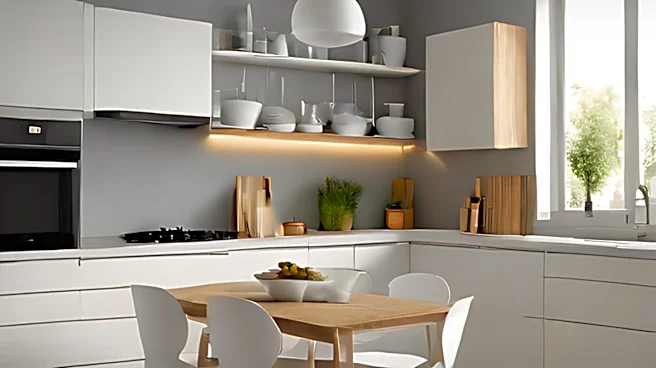
needs. This approach enables the incorporation of various functional areas such as living rooms, kitchens, bedrooms, and home offices. The 640-square-foot footprint provides ample space for creating separate living areas, unlike smaller portable buildings. Maco Structures notes that compliance with current Building Regulations, particularly regarding fire safety, is crucial for ensuring safety and approval for new purposes.
Why It's Important?
The trend of converting portable buildings into tiny homes is gaining popularity due to the flexibility and customization it offers. This approach allows individuals to create personalized living spaces that align with their lifestyle and design preferences. The emphasis on starting with an empty shell means homeowners are not constrained by pre-existing layouts, offering greater freedom in design. Additionally, the focus on compliance with Building Regulations ensures that these conversions meet safety standards, which is essential for legal approval and occupant safety. This trend could influence the housing market by providing affordable and customizable housing options.
What's Next?
As the demand for tiny home conversions grows, companies like Maco Structures may continue to innovate and offer more customizable options for homeowners. The focus on compliance with safety regulations will likely remain a priority, ensuring that these conversions are both safe and legally approved. Homeowners interested in tiny home conversions may need to navigate local zoning laws and building codes to ensure their projects are feasible. The trend could also lead to increased interest in sustainable and minimalist living, influencing broader housing and lifestyle choices.
Beyond the Headlines
The movement towards tiny home conversions reflects a broader cultural shift towards minimalism and sustainable living. By starting with an empty shell, homeowners can prioritize eco-friendly materials and energy-efficient designs, contributing to environmental conservation. This trend also highlights the growing interest in alternative housing solutions that offer affordability and flexibility, challenging traditional housing models. As more people embrace tiny living, it could lead to changes in urban planning and development, with cities potentially accommodating more diverse housing options.