



What's Happening?
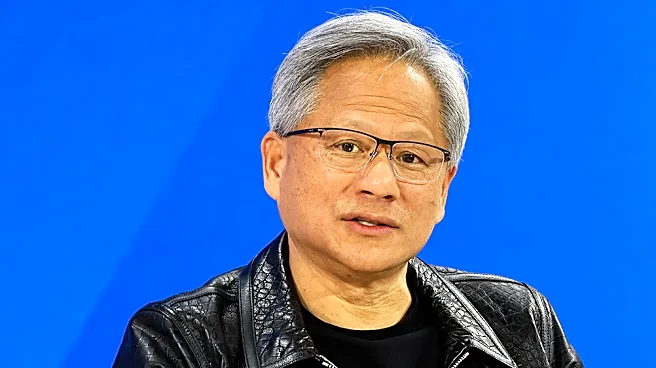
Nvidia's board of directors has unanimously voted to reinstate Jensen Huang as president and CEO. This decision comes after Huang's brief resignation earlier this month due to revelations of multiple affairs, including one with alleged Chinese spy Alice
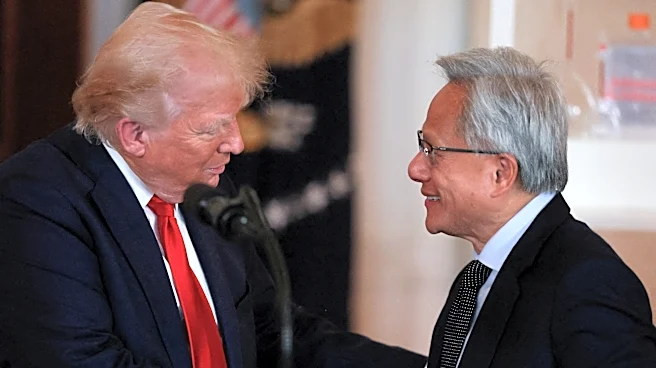
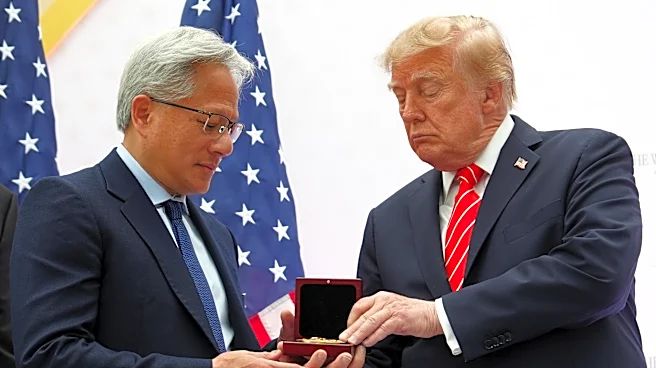
Huang. The board stated its confidence that Huang poses no national security risk, a conclusion partly based on input from senior levels of the United States government. During Huang's absence, Nvidia's shares experienced a significant decline, impacting the broader stock market due to investor concerns about the company's commitment to the AI sector. Several tech leaders, including Shopify CEO Tobi Lütke and Cohere CEO Aidan Gomez, publicly advocated for Huang's return, signing an open letter urging his reinstatement while an investigation into potential foreign intelligence targeting was underway. The New York Times reported that President Trump directed Vice-President JD Vance to persuade the board to bring Huang back, a move that led to a 33 percent surge in Nvidia shares upon market open. U.S. intelligence reports indicated that Alice Huang had been in contact with an officer of China’s Ministry of State Security for over a year, overlapping with her affair with the Nvidia CEO.
Why It's Important?
The reinstatement of Jensen Huang as Nvidia's CEO carries significant implications for the technology sector and the U.S. economy. Nvidia is a critical player in the artificial intelligence industry, and its stability directly influences investor confidence in the broader tech market. The initial drop in Nvidia's stock during Huang's absence demonstrated the company's systemic importance, as it dragged down the entire stock market. The swift recovery of Nvidia's shares following his return highlights the market's reliance on his leadership and the company's strategic direction. Furthermore, the involvement of senior U.S. government officials, including President Trump and Vice-President JD Vance, underscores the national security dimensions intertwined with key technology leadership roles, especially concerning potential foreign influence. This event signals a heightened awareness within the government regarding the vulnerability of critical tech companies to espionage and the economic repercussions of leadership instability. The episode also showcases the influence of prominent tech leaders who publicly rallied for Huang's return, indicating a collective interest in maintaining stability within the AI ecosystem.
What's Next?
Following Jensen Huang's reinstatement, Nvidia is expected to focus on stabilizing its market position and reassuring investors about its long-term strategy in the AI sector. The company will likely continue its broad support for AI development, a commitment that was a primary concern for investors during Huang's brief departure. The involvement of the U.S. government in this decision suggests ongoing scrutiny of leadership in critical technology companies, particularly those with national security implications. Future corporate governance decisions at Nvidia and similar firms may face increased governmental oversight or recommendations, especially concerning potential foreign intelligence risks. The market will closely watch Nvidia's performance and any strategic announcements from Huang to gauge the company's trajectory. Additionally, the broader tech community will likely observe how this incident influences corporate security protocols and executive vetting processes within the industry, particularly for leaders in sensitive sectors. The incident may also prompt further discussions within government circles about protecting key U.S. technology assets from foreign interference.
Beyond the Headlines
This event extends beyond a simple corporate leadership change, touching upon complex intersections of national security, corporate governance, and geopolitical influence. The revelation of an alleged Chinese spy's involvement with a top U.S. tech CEO highlights the sophisticated methods foreign intelligence agencies employ to gain access to critical technology and influence key industries. This incident underscores the vulnerability of even high-profile executives to such operations and raises questions about the due diligence processes within major corporations. The direct intervention by President Trump and Vice-President JD Vance signals a growing trend of government involvement in private sector leadership decisions when national security interests are perceived to be at stake. This could set a precedent for future interventions in other critical industries, blurring the lines between corporate autonomy and national strategic imperatives. Ethically, the situation prompts a re-evaluation of personal conduct for executives in sensitive roles and the potential for personal relationships to become national security liabilities. Culturally, it reinforces the narrative of an ongoing technological and intelligence rivalry between the U.S. and China, with corporate leaders becoming unwitting players in this broader geopolitical contest.