









What's Happening?
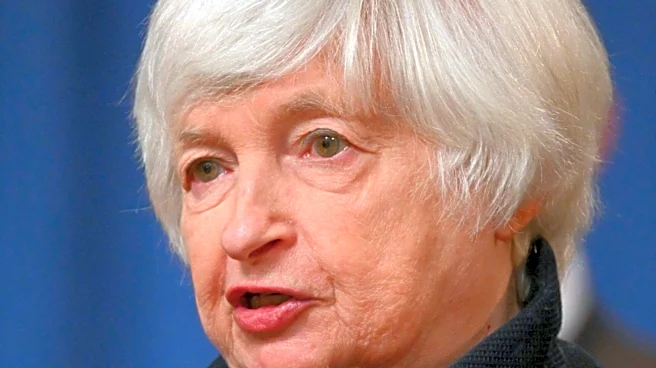
Treasury Secretary Scott Bessent has expressed optimism that the U.S. economy can achieve a 3% growth rate by the end of the year. This projection comes as the Iran war nears its conclusion, which Bessent believes will help stabilize economic conditions.
Despite recent slow growth, with GDP rising at a 1.6% annualized rate in the first quarter of 2026, Bessent remains confident in the underlying strength of the economy. He reiterated his '3-3-3' plan, which aims for 3% growth, a 3% deficit-to-GDP rate, and an increase in domestic oil production by three million barrels per day. The plan is part of a broader strategy to address economic challenges, including inflation and the impact of tariffs imposed by President Trump.
Why It's Important?
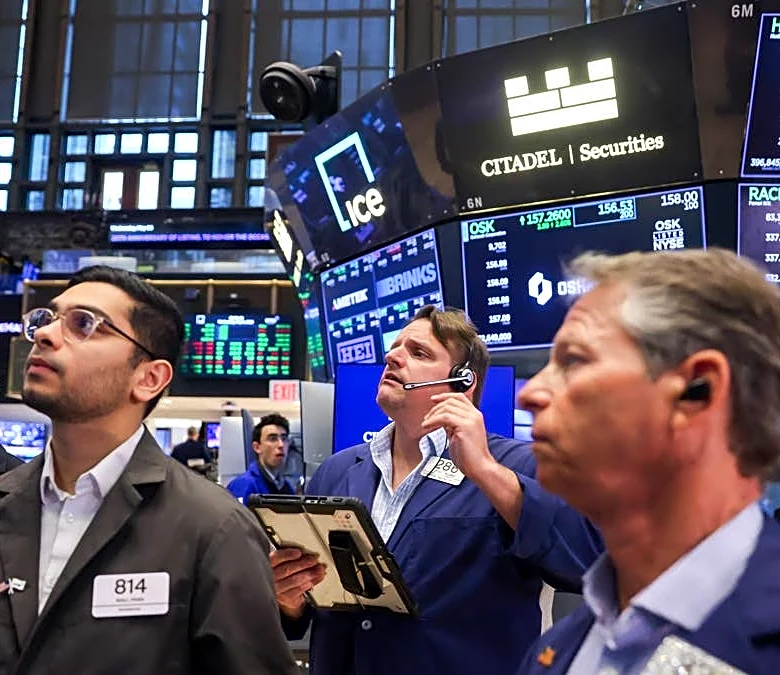
Bessent's projections are significant as they reflect the administration's efforts to revitalize the U.S. economy amid various challenges. Achieving a 3% growth rate would signal a robust economic recovery, potentially boosting investor confidence and stabilizing markets. The focus on reducing the deficit-to-GDP ratio is crucial for long-term fiscal health, as it would help manage the national debt. Additionally, increasing domestic oil production could enhance energy independence and reduce reliance on foreign oil. These measures are intended to counteract the effects of high financing costs and inflation, which have been major economic hurdles.
What's Next?
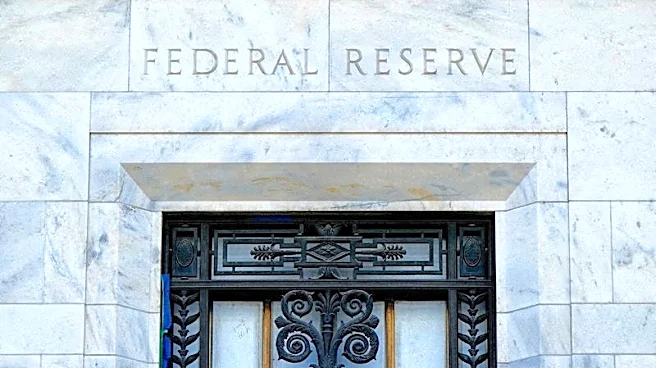
Looking ahead, the administration will likely continue to push for policies that support economic growth and stability. This includes potential adjustments to interest rates by the Federal Reserve, despite its current resistance to further cuts. The outcome of the Iran conflict and its impact on global oil markets will also be closely monitored. As the administration works towards its economic goals, stakeholders such as businesses and investors will be watching for signs of progress and potential policy shifts that could affect their operations and strategies.