





What's Happening?
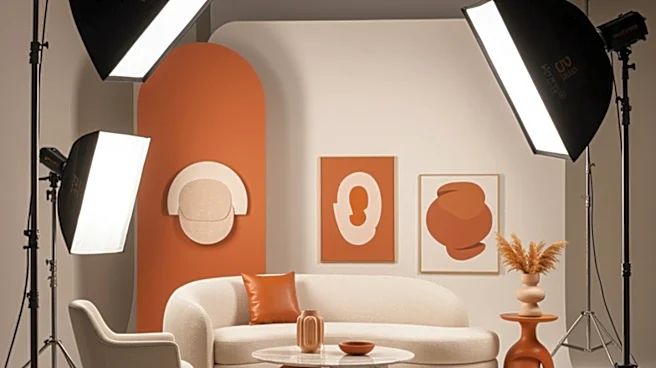
Custom wall art is increasingly recognized as a crucial element for interior designers in residential, hospitality, and commercial projects. It serves to establish the identity of a space, unify various design components, and create a memorable focal
point. Designers are now able to specify the exact size, color, finish, materials, and installation methods for wall art, ensuring it perfectly aligns with their original design vision rather than building a room around pre-existing pieces. This approach allows for tailored solutions, whether it's 3D wall art for a luxury living room, large metal art for a hotel lobby, or nature-inspired pieces for healthcare facilities. The process involves starting with a clear interior design concept, meticulously choosing the correct size and proportion, selecting appropriate materials and finishes, developing a concise design brief, and scheduling installation in advance.
Why It's Important?
This development is significant for the U.S. interior design industry as it elevates wall art from a mere decorative afterthought to an integral component of the design process. It empowers designers with greater creative control and ensures project cohesion, leading to more impactful and client-satisfying outcomes. For manufacturers and suppliers of wall art, this trend necessitates offering extensive customization options, diverse material choices (e.g., 3D, metal, textured), and robust project coordination services. The emphasis on precise specifications and early planning also highlights a growing professionalism within the industry, reducing costly revisions and delays. This shift benefits clients by providing unique, tailored environments that reflect their specific brand or personal aesthetic, potentially increasing the value and appeal of properties.
What's Next?
The demand for custom wall art is expected to drive further innovation in materials, production techniques, and digital design tools that facilitate customization. Wall art suppliers will likely enhance their capabilities to offer a wider range of bespoke options and streamline the design-to-installation process. Interior design firms may invest in specialized training for their teams to effectively integrate custom art into their projects, from conceptualization to final execution. Collaboration between designers, artists, and manufacturers will become even more critical to deliver high-quality, tailored solutions. Additionally, the market may see an increase in specialized consultants focusing on art integration for large-scale commercial and hospitality projects.
Beyond the Headlines
The move towards custom wall art reflects a broader cultural trend of personalization and bespoke experiences across various industries. In interior design, it signifies a departure from mass-produced decor towards unique, curated environments that tell a story and evoke specific emotions. This approach can transform spaces into reflections of individual or brand identity, fostering a deeper connection between occupants and their surroundings. Ethically, it encourages supporting local artists and artisans who can create these custom pieces, potentially revitalizing traditional art forms and craftsmanship. Legally, clear contracts and intellectual property agreements will become increasingly important in custom art commissions to protect both designers and artists. Culturally, it reinforces the idea that art is not just an adornment but a fundamental component of human experience and environmental psychology.