




What's Happening?
The National Basketball Association (NBA) has confirmed that it removed Rwanda's army-funded team, Armée Patriotique Rwandaise (APR), from its Basketball Africa League (BAL) due to sanctions imposed by the United States on Rwanda in March. This marks
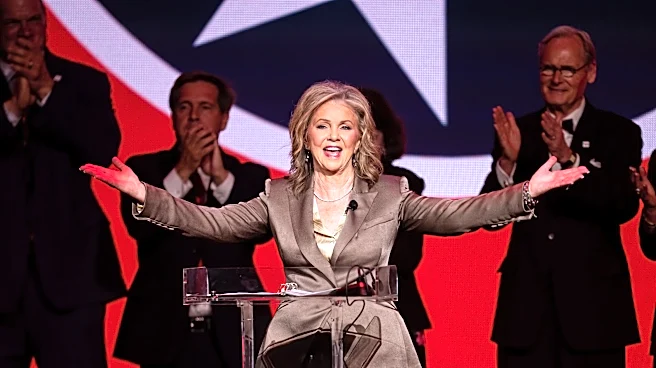
the first time the NBA has publicly disclosed the specific reason for APR's exclusion from the 2026 BAL season. The decision follows complaints from two U.S. senators, Jeffrey Merkley (D) and Marsha Blackburn (R), who urged the NBA to reconsider its partnership with the Rwandan team. The senators expressed concerns that the NBA risked becoming complicit in 'sportswashing' by accepting funds from a government accused of systematic human rights abuses. The U.S. sanctions were levied against the Rwandan army for its alleged role in fueling conflict in the Democratic Republic of Congo (DRC). Last week, the U.S. also sanctioned Rwanda's defense ministry over its support for the M23 rebel group, which has seized significant territory in eastern DRC. Rwanda denies these allegations despite what is described as overwhelming evidence.
Why It's Important?
This action by the NBA highlights the increasing pressure on international sports organizations to align their partnerships with human rights considerations and U.S. foreign policy. The removal of the APR team underscores the tangible impact of U.S. sanctions beyond direct governmental entities, extending to cultural and sporting collaborations. For Rwanda, a country that has heavily invested in sports diplomacy, including hosting BAL finals and securing deals with Formula 1 and European football clubs, this decision represents a setback. The DRC has consistently criticized Rwanda's high-profile sports deals, arguing they serve to improve Rwanda's global image while conflict persists in eastern DRC. The NBA's decision could set a precedent for how other international organizations navigate partnerships with nations facing U.S. sanctions or accusations of human rights violations, potentially influencing future sports and entertainment collaborations globally.
What's Next?
The NBA has stated that the APR basketball club will remain barred from the BAL as long as U.S. sanctions against Rwanda are in place. This indicates that any future participation of the APR team is contingent upon a change in the U.S. sanctions policy or Rwanda's actions in the DRC. The situation may prompt further scrutiny of Rwanda's other international sports partnerships, potentially leading to similar calls for reconsideration from human rights advocates and political figures. Rwanda, which is an official BAL partner and pays the league to host its finals, may need to reassess its strategy for sports diplomacy in light of these developments. The ongoing conflict in eastern DRC and Rwanda's alleged involvement will continue to be a focal point, influencing international relations and potentially leading to further diplomatic or economic measures.
Beyond the Headlines
The NBA's decision delves into the complex intersection of sports, politics, and human rights. It raises questions about the ethical responsibilities of global sports leagues when engaging with governments accused of abuses. The concept of 'sportswashing,' where nations use high-profile sporting events and partnerships to improve their international image despite internal or external conflicts, is brought to the forefront. This incident could encourage a broader re-evaluation within the sports industry regarding due diligence in partnerships and the potential for complicity in human rights issues. It also highlights the growing influence of U.S. foreign policy and sanctions on international sporting events, demonstrating how geopolitical tensions can directly impact athletic competitions and cultural exchanges. The long-term implications could include a shift towards more ethically conscious sponsorship and hosting decisions across various global sports.