


What's Happening?
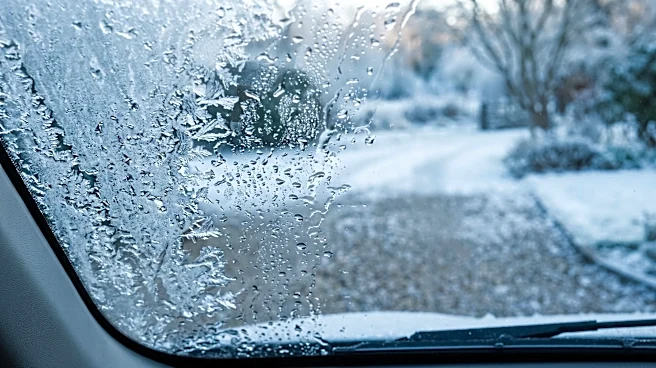
Former NASA engineer Mark Rober has shared a scientific method for quickly demisting and deicing car windscreens. Rober, known for his YouTube content, posted a video detailing a four-step process to combat condensation and ice. The method involves turning
the car's heater on full blast, activating the air conditioning, ensuring the inside air circulation button is off, and slightly cracking the windows. Rober explains that hot air can hold more moisture, and air conditioning helps remove moisture from the air. By bringing in cold, dry winter air and heating it, its absorption capacity increases, further aiding in moisture removal. Cracking the windows allows for the exchange of humid interior air with drier outside air. This technique leverages principles of thermodynamics and humidity control, drawing on science similar to what he encountered during his nine years at NASA, where he spent seven years working on the Mars Curiosity Rover.
Why It's Important?
This practical tip from a former NASA engineer offers a significant benefit to drivers, particularly in regions experiencing cold weather and frequent condensation or ice on car windows. The ability to quickly clear windscreens enhances road safety by improving visibility and reduces the time drivers spend waiting in cold vehicles. This is especially relevant in the U.S. during winter months, where icy conditions are common. The method provides an efficient alternative to less effective or potentially damaging techniques, such as scraping with credit cards or using hot water, which can crack glass. By applying scientific principles to an everyday problem, Rober's advice empowers individuals with a better understanding of how to manage environmental conditions within their vehicles, potentially preventing accidents and improving daily commutes.
What's Next?
As temperatures continue to drop, particularly in colder regions of the U.S., more drivers are likely to seek and adopt efficient methods for demisting and deicing their car windscreens. Rober's video, leveraging his large online following, is expected to continue reaching a wide audience, potentially leading to a broader adoption of his recommended technique. Car manufacturers and automotive experts might also take note of such scientifically backed methods, potentially influencing future car designs or recommended practices for vehicle maintenance in cold weather. The widespread sharing of such practical, science-based solutions could lead to a general increase in awareness regarding effective car care during winter, benefiting a large segment of the driving public.
Beyond the Headlines
Beyond the immediate utility of a clear windscreen, this story highlights the broader impact of science communication and the application of scientific principles to everyday challenges. Mark Rober's transition from a NASA engineer to a YouTube personality demonstrates how complex scientific knowledge can be made accessible and engaging for a general audience, particularly for school-aged children. His work, including a Netflix deal and an education initiative, underscores a growing trend of making STEM fields more relatable and exciting. This particular tip, while seemingly mundane compared to space exploration, exemplifies how fundamental scientific understanding, even from advanced fields like space tech, can yield practical solutions that improve daily life. It also subtly promotes critical thinking and problem-solving by encouraging people to understand the 'why' behind the 'how' of demisting their cars.