


What's Happening?
The 'Battleground Podcast' recently featured a discussion between hosts Battle and Josh regarding the role and impact of celebrities in professional wrestling. The debate centered on when celebrity appearances genuinely benefit the sport versus when they
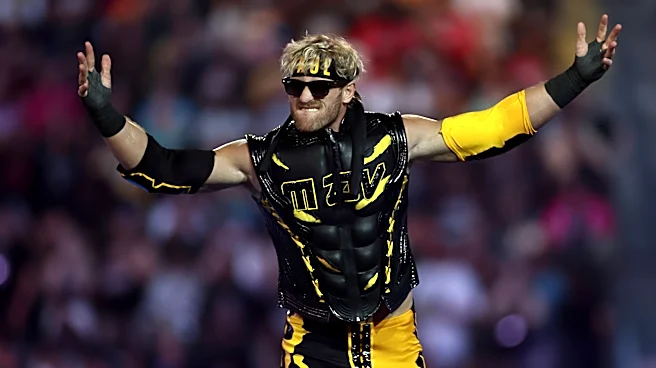
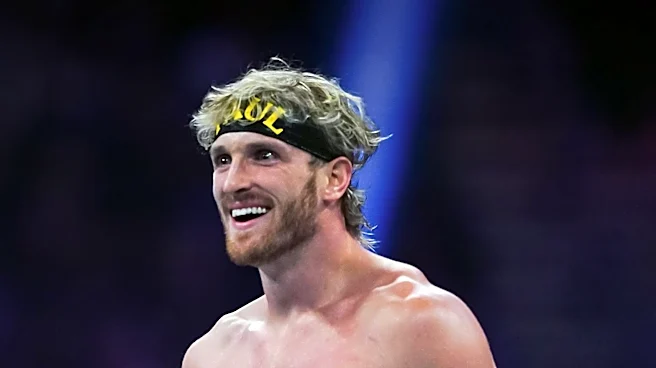
might be perceived as taking opportunities away from established wrestlers. The hosts specifically mentioned figures such as Lil Yachty, Bad Bunny, Logan Paul, Jelly Roll, and Pat McAfee, evaluating which celebrity appearances have been successful and which were deemed inappropriate for major events like WrestleMania. The podcast also included an interview with AEW's Kevin Knight, who discussed his career, including losing the TNT Championship and wrestling Kenny Omega, further contributing to the conversation about respect and opportunity within the wrestling industry.
Why It's Important?
This podcast discussion highlights a long-standing and often contentious debate within professional wrestling: the integration of mainstream celebrities. While celebrity involvement can undeniably bring new eyes and increased viewership to the sport, it often sparks controversy among purist fans who believe it detracts from the legitimacy of professional wrestlers who have dedicated their lives to the craft. The success of figures like Logan Paul, who has demonstrated genuine athletic ability and commitment, challenges this perspective, suggesting that some celebrities can indeed enhance the product. Conversely, poorly executed or perceived 'spot-taking' celebrity appearances can alienate the core fanbase. This ongoing dialogue is crucial for wrestling promotions as they navigate the balance between expanding their audience and maintaining the integrity and respect for their full-time performers.
What's Next?
The ongoing debate about celebrity involvement in professional wrestling, as discussed on the 'Battleground Podcast,' will likely continue to influence how promotions like WWE and AEW approach guest appearances. Successful integrations, such as those highlighted for Logan Paul and Bad Bunny, may encourage more strategic partnerships with celebrities who demonstrate a genuine interest and aptitude for wrestling. Conversely, negative reactions to certain celebrity roles could lead to more cautious and selective approaches. This discussion also puts pressure on promotions to ensure that celebrity appearances are not just one-off spectacles but contribute meaningfully to storylines and elevate the overall product, rather than overshadowing the regular roster. The wrestling community will continue to scrutinize these decisions, impacting future booking strategies and talent development.
Beyond the Headlines
The 'celebrity problem' in professional wrestling, as framed by the podcast, reflects broader cultural shifts in how fame and talent intersect across different entertainment industries. In an era dominated by social media and crossover appeal, the lines between traditional professions and celebrity status are increasingly blurred. This phenomenon raises questions about meritocracy versus marketability, and how industries adapt to leverage external fame without compromising internal standards. For professional wrestling, it's a constant negotiation between preserving its unique athletic and storytelling traditions and embracing new avenues for audience engagement. The ethical dimension involves ensuring that the pursuit of mainstream attention does not inadvertently devalue the hard work and dedication of career wrestlers, fostering a sustainable ecosystem where both established talent and impactful celebrity contributions can coexist and thrive.