







What's Happening?
As college students prepare for the new academic year, smart devices are becoming essential tools for enhancing dorm life. A recent review highlights several innovative products that can transform a dorm room into a smart living space. The Lepro A1 table
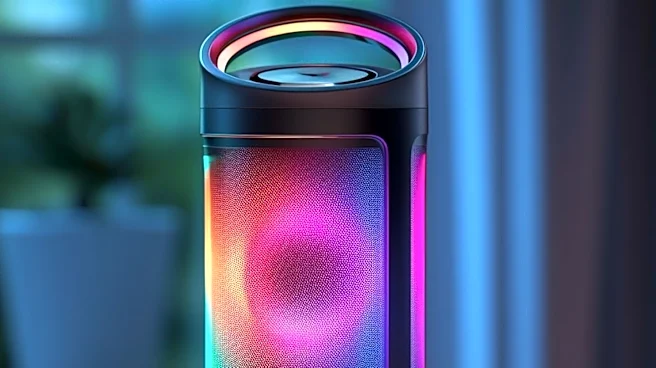
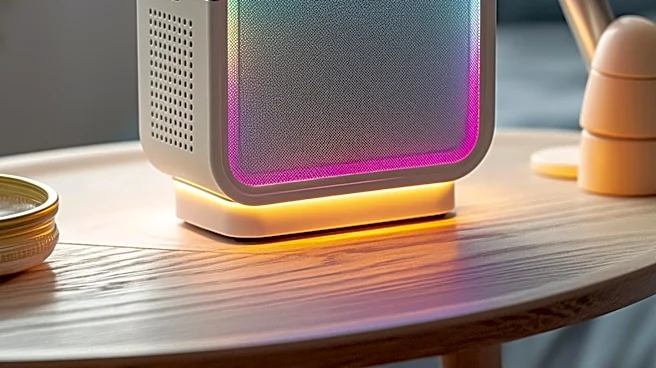
lamp, for instance, uses AI to suggest various light schemes, creating environments suitable for studying or relaxation. The Amazon Echo Spot serves as a multifunctional alarm clock, offering features like gradual wake-ups with music and light. Additionally, the Google Home speaker provides high-quality sound and integrates with various streaming services, while the Tapo smart surge protector allows remote control of connected devices. These devices, along with others like the Aqara P100 multipurpose sensor and Wiz Connected Color smart bulb, offer students convenience and enhanced functionality in their living spaces.
Why It's Important?
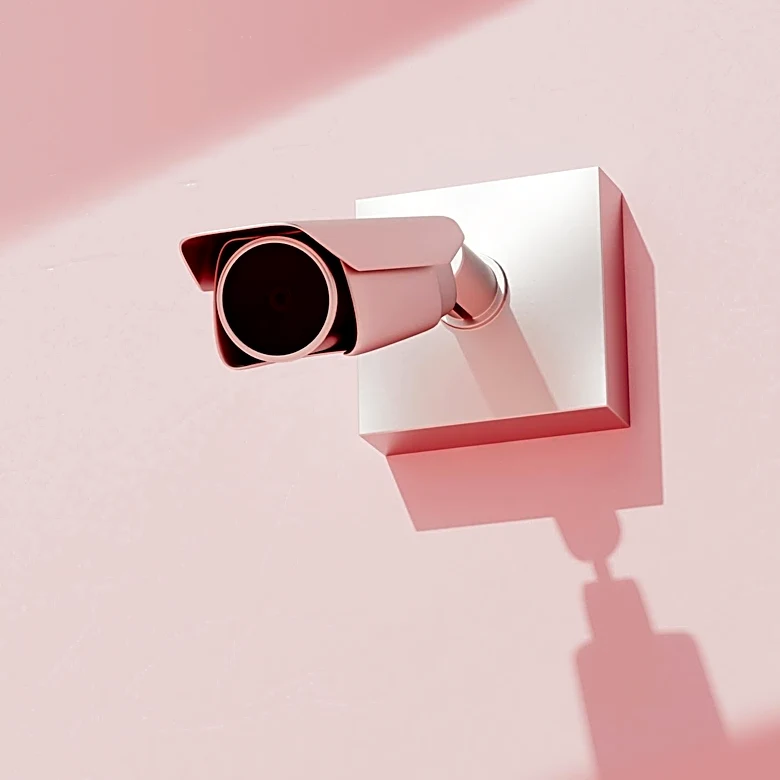
The integration of smart devices in college dorms represents a significant shift in how students manage their living environments. These technologies not only provide convenience but also enhance productivity and security. For instance, the ability to control lighting and music through voice commands or apps can create an optimal study environment, potentially improving academic performance. Security devices like the Aqara P100 sensor offer peace of mind by monitoring access to personal belongings. Moreover, the connectivity of these devices allows for seamless integration with other smart home technologies, preparing students for a future where such systems are commonplace. This trend also reflects broader societal shifts towards smart living and the increasing role of AI in everyday life.
What's Next?
As smart technology continues to evolve, we can expect further innovations tailored to the needs of college students. Future developments may include more advanced AI capabilities, increased interoperability between devices, and enhanced security features. Companies may also focus on creating more affordable options to ensure accessibility for a wider range of students. Additionally, as these technologies become more prevalent, universities might consider integrating smart solutions into campus infrastructure, offering students a more connected and efficient living experience. The ongoing adoption of smart devices in dorms could also influence the design and functionality of future student housing projects.