








What's Happening?
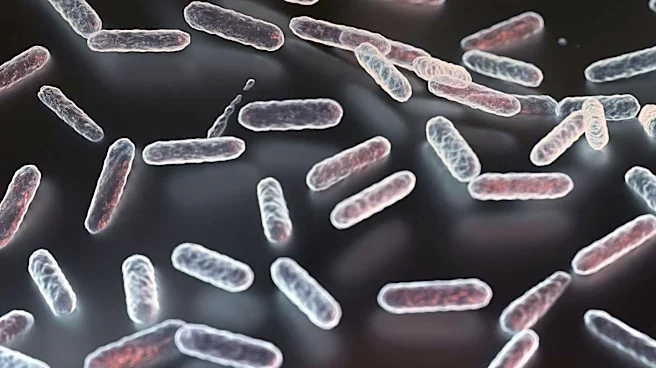
Sauerkraut, a fermented cabbage product, is being examined for its potential benefits to gut health, with researchers noting mixed results depending on its preparation. Raw or refrigerated sauerkraut, which retains live lactic acid bacteria, offers probiotic
advantages, while pasteurized versions do not. The fermentation process in sauerkraut produces lactic acid, contributing to its tangy flavor and potentially encouraging the growth of beneficial gut bacteria that produce short-chain fatty acids (SCFAs). These SCFAs help maintain a healthy gut environment by lowering pH and potentially limiting disruptive bacteria. Sauerkraut also provides prebiotic fiber from cabbage, which feeds beneficial bacteria. Studies suggest it may support digestive health, alleviate symptoms like diarrhea and constipation, and potentially aid individuals with IBS. However, research on its direct impact on the microbiome is still limited, with some studies showing increased diversity and others little change. Sauerkraut is also a source of essential nutrients like vitamin C and polyphenols.
Why It's Important?
For U.S. consumers, understanding the nuances of fermented foods like sauerkraut is crucial for making informed dietary choices. The distinction between raw and pasteurized products highlights that not all 'sauerkraut' offers the same health benefits, guiding consumers to select products with live cultures for probiotic effects. This information is particularly relevant given the growing interest in gut health and its link to overall well-being. For the food industry, it underscores the value of traditional fermentation methods and the potential for developing new products that retain live cultures. Healthcare professionals can use this knowledge to provide more specific dietary recommendations, emphasizing the importance of incorporating diverse fermented foods into the diet. The potential for sauerkraut to support digestive health and immune response could contribute to broader public health initiatives aimed at improving gut microbiome diversity.
What's Next?
Further research is needed to fully understand the impact of sauerkraut on the human microbiome and to establish definitive guidelines for its consumption. Consumers can expect to see more detailed labeling on fermented products, indicating whether they contain live cultures. The market may also see an increase in raw or refrigerated fermented foods as demand for probiotic-rich options grows. Dietary recommendations from health organizations might increasingly include specific types of fermented foods. Individuals with certain health conditions, such as high blood pressure due to sauerkraut's sodium content, GERD, histamine intolerance, or compromised immune systems, are advised to consult a doctor before incorporating it into their diet. The ongoing exploration of fermented foods like kimchi, which offers a broader range of prebiotic fibers, suggests a future where diverse fermented options are recognized for their unique contributions to gut health.
Beyond the Headlines
The re-emergence of traditional fermented foods like sauerkraut into mainstream dietary discussions reflects a broader cultural appreciation for ancestral food practices and their health benefits. This trend challenges modern dietary norms that often prioritize convenience over nutritional density and live cultures. It also highlights the intricate relationship between food science and traditional knowledge, where ancient preservation techniques are now being validated by contemporary research. The emphasis on gut health as a cornerstone of overall well-being is transforming how people view food, moving beyond mere caloric intake to consider the microbial ecosystem within. This shift could lead to a more sustainable and diverse food system that values fermentation as a key component of both nutrition and food security.