





What's Happening?
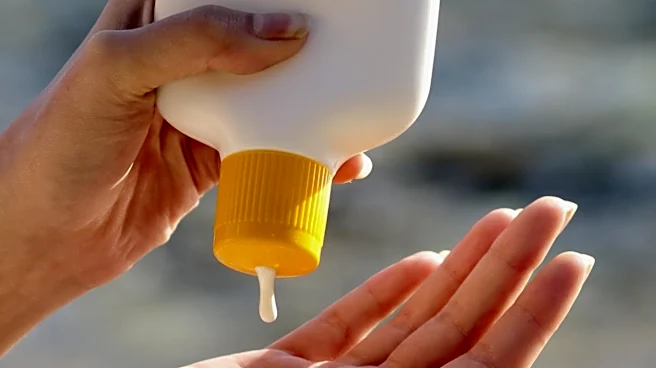
Experts are cautioning against the practice of mixing self-tanning products with sunscreen, as it can compromise the effectiveness of sun protection. The active ingredient in self-tanners, DHA, can interfere with the SPF, reducing its ability to protect against sun damage.
Melanie Brownlow, co-founder of the self-tan and SPF brand St. Moriz, emphasizes that a cosmetic tan does not provide any meaningful defense against sunburn or skin cancer. Consultant dermatologist Dr. Conal Perrett advises that self-tan should never replace SPF, and that broad-spectrum SPF 30 or higher should be applied generously and reapplied throughout the day when outdoors. The recommended approach is to apply self-tan in the evening, allowing it to develop overnight, and to use SPF during the day.
Why It's Important?
This guidance is crucial for individuals who use self-tanning products and are exposed to the sun, as it highlights the importance of proper sun protection to prevent skin damage and potential health risks such as skin cancer. The advice to separate the application of self-tan and SPF ensures that individuals do not inadvertently reduce their sun protection, which is vital during periods of high UV exposure. The broader significance lies in promoting awareness about the correct use of skincare products to maintain skin health and prevent long-term damage.
What's Next?
Individuals are encouraged to adjust their skincare routines by applying self-tan and SPF at different times to avoid interference. This involves using self-tan products in the evening and focusing on SPF and other cosmetic products during the day. Experts also suggest being mindful of other skincare ingredients, such as retinol and exfoliating acids, which can increase sun sensitivity and affect the longevity of a self-tan. Regular skin checks are recommended to monitor any changes that could indicate sun damage.
Beyond the Headlines
The advice to separate self-tan and SPF applications underscores a broader understanding of skincare product interactions and their impact on skin health. It highlights the need for consumers to be informed about the ingredients in their skincare products and how they can affect each other. This awareness can lead to more informed choices and better skin protection strategies, ultimately contributing to a reduction in skin-related health issues.