





What's Happening?
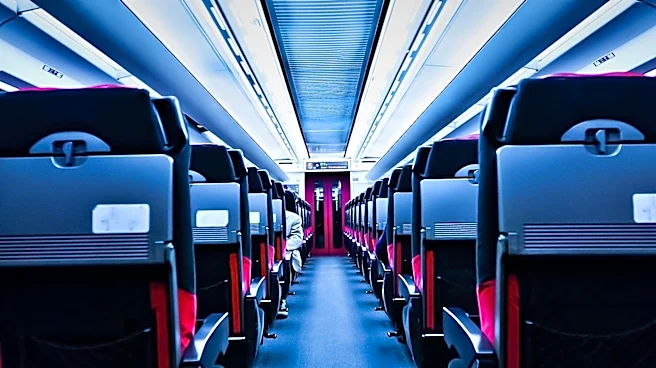
A business traveler recently took a 16-hour night train from Amsterdam to Vienna, noting that he was likely the only passenger in a suit and shirt among a train full of holidaymakers and backpackers. The traveler, Dominik Sipinski, was returning from a conference
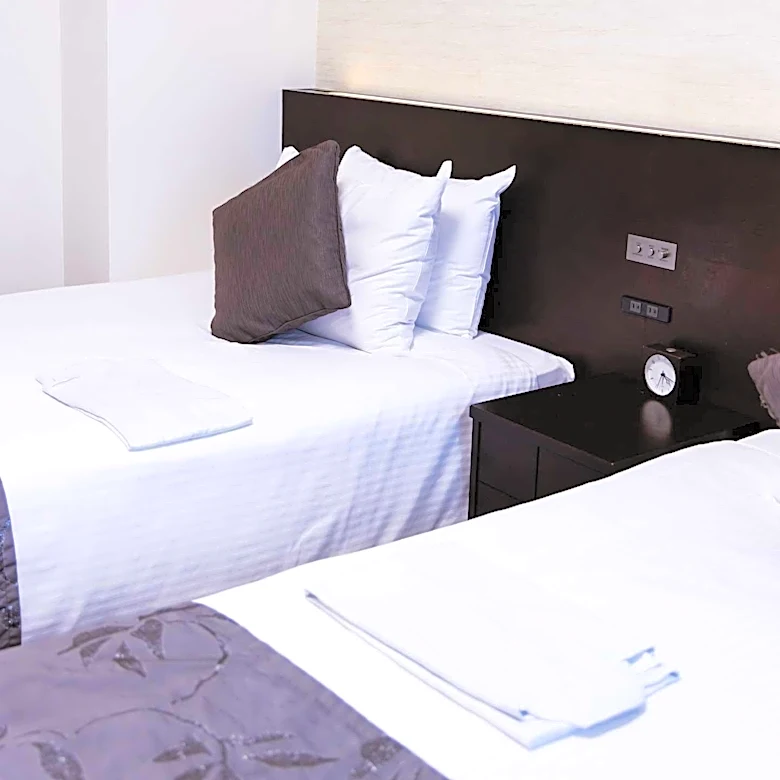
and found the ÖBB Nightjets, equipped with mini-cabins, to be a productive space for work, offering privacy, stable Wi-Fi, and a larger desk than typically found on aircraft. He contrasted this experience with the hectic nature of evening flights and short hotel stays, suggesting that night trains could be a viable, albeit niche, alternative for business travel in Europe, despite the challenges of a long journey and changing into formal attire in a compact space.
Why It's Important?
This personal account sheds light on the potential for night trains to serve a specific segment of the business travel market, particularly in Europe where there's a growing discussion about substituting short-haul flights with rail. While not a large-scale replacement for flights, the comfort, privacy, and ability to work effectively on night trains could appeal to professionals seeking a more relaxed and productive travel experience. For U.S. businesses with European operations, understanding these evolving travel preferences could inform corporate travel policies and potentially offer a more sustainable and employee-friendly option for inter-European trips. The emphasis on stable Wi-Fi and dedicated workspace also highlights the increasing demand for connectivity and productivity tools during transit.
What's Next?
The increasing popularity of night trains in Europe, as noted by the traveler, suggests a potential for further development and refinement of these services to better cater to business travelers. This could include more luxurious suite options with showers, which are currently expensive and limited in availability. Discussions around the design and amenities of future night trains may incorporate feedback from business users to enhance their appeal. While the U.S. rail network differs significantly from Europe's, the European trend could inspire considerations for long-distance business travel options in the U.S., particularly as sustainability and employee well-being become more prominent factors in corporate decision-making.
Beyond the Headlines
The traveler's experience touches upon a broader debate regarding sustainable travel and the future of business mobility. As environmental concerns grow, there's increasing pressure to reduce carbon footprints associated with air travel. Night trains offer a more eco-friendly alternative, aligning with corporate social responsibility goals. Furthermore, the ability to work and rest effectively during transit can contribute to employee well-being, reducing the fatigue often associated with air travel. This shift could represent a cultural change in how business travel is perceived, moving away from speed at all costs towards a more balanced approach that prioritizes comfort, productivity, and environmental impact. The niche appeal of night trains for business travel could grow as companies and individuals seek more mindful ways to connect across distances.