



What's Happening?
Gardening experts are recommending that now is the optimal time for U.S. gardeners to purchase essential supplies for the upcoming spring season. As the current growing season concludes, garden centers, nurseries, and online retailers are clearing out
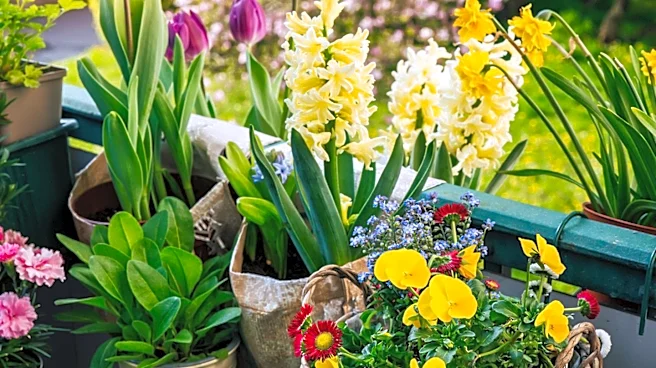
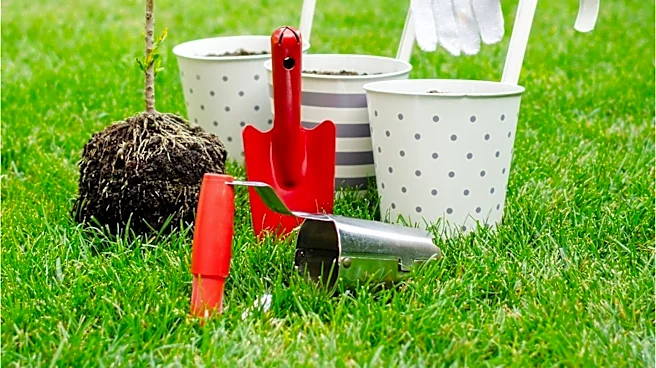
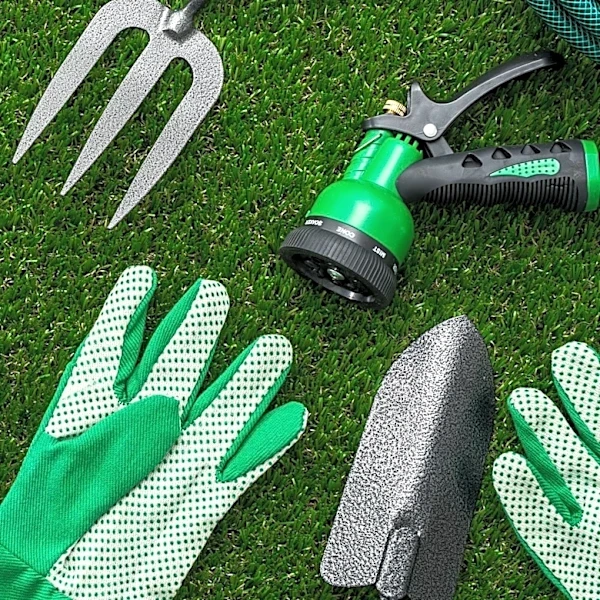
their inventory, offering significant discounts. Stephanie Rose, author of The Wild & Free Garden, highlights that fall provides opportunities to capitalize on sales as businesses aim to reduce stock they cannot store over winter. This period is also beneficial for finding deals on the secondhand market, with neighbors often rehoming garden supplies and perennial divisions. Recommended items for purchase include compost, mulch, and soil amendments, which can be spread now to enrich soil before spring planting. Other suggested items are pots and planters, garden decor, shrubs (excluding evergreens), perennials, hand tools, seeds, seed-starting supplies, plant supports, watering supplies, grow lights, spring-flowering bulbs, and gardening books. Stocking up in the fall ensures readiness for spring and can lead to substantial cost savings.
Why It's Important?
This advice is important for U.S. gardeners as it offers a strategic approach to gardening that can lead to both financial savings and improved gardening outcomes. By purchasing supplies during the off-season, gardeners can avoid higher prices and potential shortages that often occur in spring. This proactive preparation allows for better planning and execution of spring gardening projects, ensuring that necessary materials are on hand when needed. Furthermore, applying certain amendments like compost and mulch in the fall provides them ample time to integrate into the soil, enhancing its quality and benefiting plant growth. For those interested in sustainable practices, utilizing secondhand markets for supplies reduces waste and promotes resourcefulness. The emphasis on planting shrubs and perennials in the fall also leverages natural cycles, allowing roots to establish without summer heat stress, leading to healthier plants in the spring. This guidance empowers gardeners to maximize their efforts and resources.
What's Next?
Gardeners are encouraged to begin scouting for deals at local garden centers, nurseries, and online vendors immediately. They should also monitor community buy-and-sell groups for secondhand opportunities. The focus for the coming weeks will be on acquiring items such as compost, mulch, and soil amendments for immediate application, as well as durable goods like pots, tools, and watering supplies for storage. Fall is also the ideal time to plant deciduous shrubs and perennials, and to get spring-flowering bulbs into the ground before the first hard freeze. As winter approaches, gardeners can use the newly acquired gardening books to plan for the next season, while grow lights can support indoor plants. This strategic fall preparation will set the stage for a more efficient and cost-effective spring gardening season.
Beyond the Headlines
The practice of fall stock-up for gardening reflects a broader consumer trend towards seasonal purchasing and preparedness, particularly in hobbies and home improvement. It highlights the economic cycles within the retail sector, where end-of-season clearances offer significant value. Beyond mere savings, this approach encourages a more thoughtful and sustainable engagement with gardening. By planning ahead, gardeners can reduce impulse buys and make more informed decisions about their needs. The recommendation to utilize secondhand markets also points to a growing interest in circular economy principles within consumer behavior. This strategic purchasing can foster a deeper connection to the gardening process, transforming it from a reactive activity into a well-planned, year-round endeavor that supports both personal well-being and environmental health. It also underscores the importance of understanding local climate and plant cycles for optimal gardening success.