



What's Happening?
Fabric resistance bands are emerging as a popular exercise tool, offering a distinct alternative to traditional rubber bands. These bands, made from durable fabric materials, provide a more comfortable grip and are less prone to pinching or rolling during
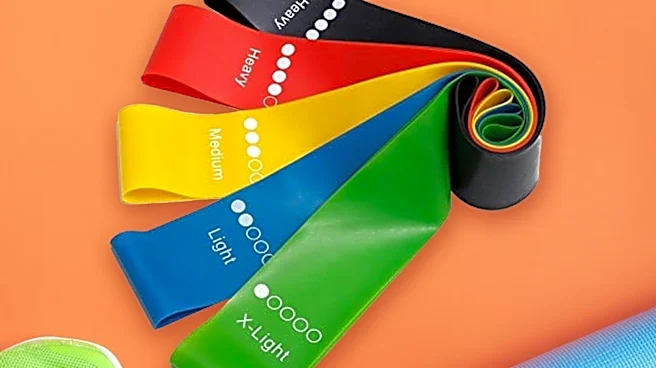
workouts. Their robust construction also makes them more resistant to wear and tear, contributing to their growing appeal among fitness enthusiasts. They are designed to enhance strength training, flexibility, and rehabilitation exercises by providing consistent resistance throughout movements, which aids in improving muscle engagement and stability. The versatility of fabric resistance bands allows for their integration into various workout routines, including full-body workouts or targeted exercises for specific muscle groups. They are suitable for all fitness levels, from beginners to advanced athletes, due to the availability of different resistance levels. Users can select bands that align with their strength and fitness goals, ensuring proper form while still providing an adequate challenge.
Why It's Important?
The increasing adoption of fabric resistance bands signifies a notable shift in the home fitness market, offering an accessible and effective solution for strength training and overall physical well-being. This trend is particularly important for individuals seeking convenient and cost-effective ways to maintain fitness without requiring extensive gym equipment. The durability and comfort of fabric bands address common complaints associated with traditional latex bands, potentially encouraging broader participation in resistance training. For the fitness industry, this highlights a growing demand for innovative and user-friendly exercise tools that cater to diverse fitness levels and preferences. Businesses in the sports and fitness retail sector stand to gain from this trend, as consumers invest in versatile equipment for at-home workouts. The emphasis on consistent resistance and improved muscle engagement also underscores a broader public health benefit, promoting effective and safe exercise practices.
What's Next?
As fabric resistance bands continue to gain traction, the market is likely to see further innovation in design, materials, and accompanying workout programs. Manufacturers may introduce new fabric blends for enhanced durability or comfort, and expand the range of resistance levels to cater to an even wider audience. Fitness professionals and online platforms are expected to develop more specialized workout routines and instructional content tailored specifically for fabric bands, further integrating them into mainstream fitness practices. Retailers will likely increase their stock and variety of these products, potentially leading to more competitive pricing and wider availability. The continued emphasis on home-based fitness solutions, driven by convenience and cost-effectiveness, suggests that fabric resistance bands will remain a significant component of personal workout arsenals, influencing future trends in exercise equipment and training methodologies.
Beyond the Headlines
The rise of fabric resistance bands reflects a deeper cultural shift towards personalized and adaptable fitness solutions. This trend moves beyond the traditional gym model, empowering individuals to take greater control over their health and wellness routines from the comfort of their homes. It also highlights a growing consumer preference for products that offer both functionality and an improved user experience, addressing issues like discomfort and durability often associated with older exercise tools. Ethically, the accessibility of these bands promotes inclusivity in fitness, allowing individuals with varying physical capabilities or financial constraints to engage in effective strength training. This shift could also foster a greater understanding of body mechanics and proper form, as users are encouraged to select resistance levels appropriate for their individual needs, potentially reducing injury rates and promoting sustainable exercise habits in the long term.