


What's Happening?
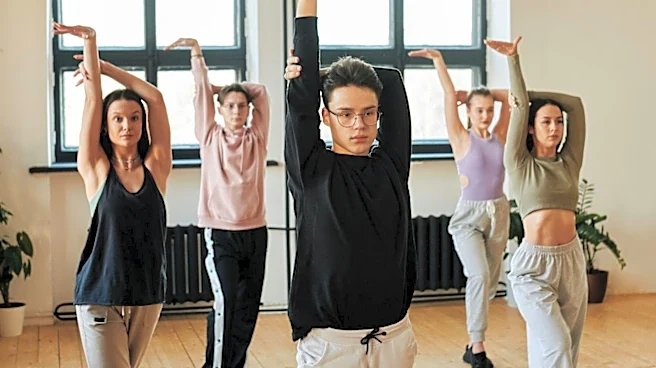
Anthem Orlando, an LGBTQ+ bar and venue, is offering free Latin dance lessons every Thursday, focusing on salsa and bachata. Mike Vacirca, co-founder and owner of Anthem Orlando, explains that salsa and bachata are distinct musical styles originating
from different islands, a common misconception among beginners. Salsa, with its roots in Cuban son, son montuno, mambo, cha-cha-chá, and Puerto Rican bomba and plena, developed in New York City among Cuban and Puerto Rican musicians. The term 'salsa' itself emerged as a commercial umbrella in the 1960s and 1970s, largely driven by Fania Records. Bachata, on the other hand, is a Dominican, guitar-led genre that grew out of bolero, son, and Dominican country music in the mid-20th century. Initially looked down upon as 'música de amargue' (bitterness music), bachata gained respectability with Juan Luis Guerra’s 1990 album 'Bachata Rosa' and was recognized by UNESCO in 2019 as intangible cultural heritage.
Why It's Important?
The initiative by Anthem Orlando to offer free Latin dance lessons highlights the cultural significance and growing popularity of salsa and bachata in the U.S. This effort not only promotes physical activity and social interaction but also serves as a gateway for individuals to connect with diverse cultural heritages. By distinguishing between salsa and bachata, the lessons educate participants on the rich and varied history of Latin music and dance, moving beyond a generalized 'Latin sound.' The historical context provided, from the Palladium Ballroom era for salsa to bachata's journey from marginalized status to UNESCO recognition, underscores the resilience and evolution of these art forms. Such community-based programs contribute to cultural preservation and appreciation, fostering a more inclusive and informed understanding of global music and dance traditions.
What's Next?
Anthem Orlando's ongoing free Latin dance lessons are scheduled to continue every Thursday, followed by Latin Night Vol 2 with DJ Jery. This consistent offering suggests a sustained effort to build a community around Latin dance in Downtown Orlando. The emphasis on beginner-friendly instruction, including advice on not needing a partner and the lead/follow roles being gender-neutral, aims to make these dance forms accessible to a wider audience. The continued popularity of such events could lead to increased participation in Latin dance, potentially inspiring other venues to offer similar cultural programs. The recognition of bachata by UNESCO also suggests a broader trend towards acknowledging and preserving diverse cultural expressions, which may encourage further academic and popular interest in Latin music and dance.
Beyond the Headlines
The story of salsa and bachata, as presented by Anthem Orlando, delves into deeper themes of cultural identity, social acceptance, and the power of music to transcend societal barriers. Bachata's journey from being 'música de amargue' associated with rural poverty to an internationally recognized cultural heritage reflects a broader shift in valuing diverse artistic expressions. The commercialization of 'salsa' as an umbrella term, while debated by Cuban musicians, illustrates the complex interplay between cultural authenticity and market forces. These dance forms offer more than just entertainment; they provide a means of cultural expression, community building, and even a form of social commentary. The inclusive environment fostered by Anthem Orlando, an LGBTQ+ venue, further highlights the role of dance in creating spaces for diverse communities to connect and celebrate shared cultural interests.