





What's Happening?
United States Secretary of Commerce Howard Lutnick, alongside Senior Counselor to President Trump Dr. Peter Navarro and South Carolina Attorney General Alan Wilson, joined Century Aluminum Company CEO Jesse Gary to celebrate a significant expansion at the
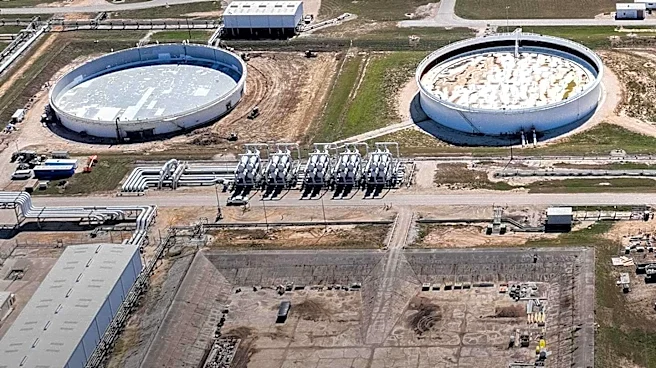
Century Aluminum Mt. Holly plant. This expansion is set to increase U.S. domestic primary aluminum production by approximately 10% and will grow the workforce at the Mt. Holly facility to over 600 employees. The event highlighted the impact of President Trump's Section 232 program, which aims to bolster American aluminum production by creating favorable conditions for long-term investment. The $50 million investment by Century Aluminum is seen as a pivotal move to strengthen the domestic aluminum industry, which is considered vital for national and economic security.
Why It's Important?
The expansion of Century Aluminum's Mt. Holly plant is a critical development for the U.S. aluminum industry, which has been under pressure from international competition. By increasing domestic production, the U.S. aims to reduce reliance on foreign aluminum, thereby enhancing national security and economic stability. This move aligns with President Trump's trade policies that focus on revitalizing American manufacturing and protecting domestic industries from foreign competition. The investment not only secures jobs in South Carolina but also positions the state as a leader in American manufacturing. The expansion is expected to have a ripple effect, potentially encouraging further investments in the U.S. manufacturing sector.
What's Next?
Following the expansion, Century Aluminum is likely to continue its efforts to increase production capacity and efficiency. The success of this initiative may prompt other companies in the aluminum industry to consider similar investments, further boosting domestic production. Additionally, the U.S. government may continue to implement policies that support the growth of domestic industries, particularly those deemed critical to national security. Stakeholders, including political leaders and industry representatives, will likely monitor the outcomes of this expansion closely to assess its impact on the broader manufacturing landscape.