





What's Happening?
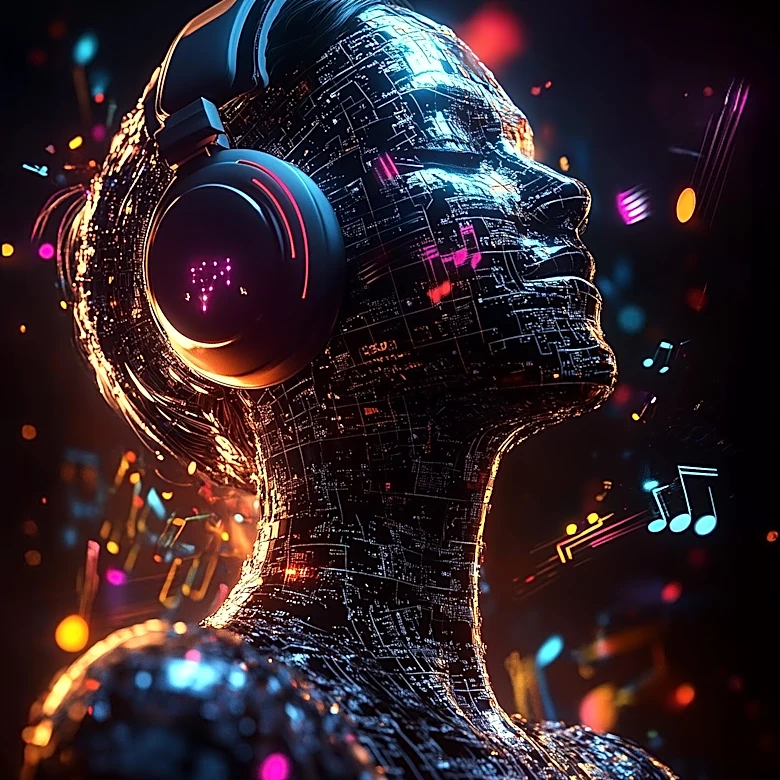
TikTok is experiencing a significant shift in music discovery and content creation with the rise of AI-generated videos. Platforms like One More Shot AI are enabling artists to produce short-form, vertical music videos specifically designed for TikTok's
9:16 format. These AI tools analyze tracks to identify engaging segments, such as hooks and drops, and then build visuals around these moments. This approach ensures that the content is optimized for TikTok's engagement signals, including watch-through rates, shares, and replays. Unlike simply cropping existing videos, AI-generated content is created from the ground up for vertical consumption, with compositions that fill the screen and movement designed to capture attention. This technology allows musicians to quickly generate multiple visual variations of their tracks, facilitating consistent posting and the ability to test different hooks to see what resonates most with the audience. The goal is to capitalize on trending sounds by having visual content ready at speed.
Why It's Important?
The integration of AI video generation into TikTok's ecosystem is profoundly impacting the music industry and content creation landscape. For musicians, it democratizes access to high-quality visual content, allowing independent artists and those with limited budgets to compete with larger labels. This technology addresses the platform's demand for a high volume of content, which traditional video production methods cannot sustain. By enabling rapid creation of diverse visual takes, artists can more effectively test what resonates with audiences, leading to increased engagement and potential virality. This shift also means that timing is crucial; artists who can quickly produce and deploy visual content when a sound trends are better positioned to capitalize on momentum. The ability to generate multiple visual variations in minutes, rather than days, provides a significant competitive advantage in the fast-paced world of short-form video platforms, extending its utility to Instagram Reels and YouTube Shorts as well.
What's Next?
The continued evolution of AI video generation tools is expected to further streamline content creation for musicians and other creators on TikTok. We can anticipate more sophisticated AI models that offer even greater customization, realism, and integration with various musical styles. The focus will likely remain on optimizing content for platform-specific engagement metrics, potentially leading to new features that predict trending elements or suggest visual styles based on current user preferences. Musicians will increasingly rely on these tools to maintain a consistent presence and adapt quickly to new trends. This could also lead to a greater emphasis on data-driven content strategies, where analytics from AI-generated video performance inform future creative decisions. The technology's expansion to other short-form video platforms suggests a broader adoption across the digital content landscape, making AI-powered visual content a standard expectation for artists seeking to maximize their reach.
Beyond the Headlines
The rise of AI-generated video content on TikTok raises deeper questions about authenticity, creativity, and the future of human artistry. While AI tools offer efficiency and accessibility, there's a potential for a homogenization of visual styles if creators rely too heavily on pre-programmed algorithms. The ethical implications of AI-generated content, particularly concerning intellectual property and the potential for deepfakes, will also become more prominent. Furthermore, the emphasis on 'scroll-stopping' visuals and rapid trend capitalization could inadvertently shift the focus from artistic merit to algorithmic optimization, potentially influencing the types of music and visual aesthetics that gain traction. This technological advancement also highlights the ongoing tension between human creativity and machine efficiency, prompting a re-evaluation of what constitutes 'original' content in the digital age. The long-term impact on the livelihoods of traditional video producers and creative professionals also warrants consideration.