



What's Happening?
GrECo, a risk and insurance management firm, highlights that U.S. companies, while focusing on cyber risks and geopolitical crises, are increasingly underestimating the impact of heat and drought. These climate-related challenges, unlike sudden business
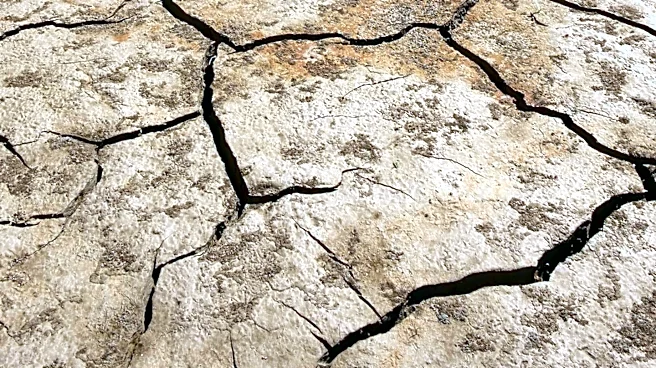
risks, are already evident through rising temperatures, recurring heat waves, and increasing water scarcity. The firm notes that many production processes, particularly in industries such as chemical, paper, steel, food, and energy, are heavily reliant on sufficient water quantities. GrECo's climate risk analyses reveal that businesses often overlook the potential consequences on cooling water availability, supply chains, and human resources. The economic impact of extreme weather events is growing, with a study by the University of Mannheim and the European Central Bank estimating significant economic damage in Europe from heat, drought, and flooding, which serves as a cautionary tale for other developed economies like the U.S. The firm emphasizes the need for companies to understand these potential consequences and assess their impact on operations, supply chains, and future competitiveness at an early stage.
Why It's Important?
The increasing frequency and intensity of heat and drought pose significant and often underestimated threats to U.S. industries and the broader economy. Water scarcity can become a critical bottleneck for numerous production processes, directly affecting key sectors like manufacturing, energy production, and agriculture. This can lead to operational disruptions, reduced output, and increased costs. Furthermore, heat stress directly impacts human resources, leading to decreased employee performance, higher error rates, increased accident risks, and a greater likelihood of heat-related sick leave. This translates to higher personnel costs and reduced productivity across various industries. The vulnerability of infrastructure, including roads, railways, and electrical systems, to heat and drought can also cause widespread disruptions. Supply chains, particularly those relying on waterways for transport, are highly susceptible to low water levels, leading to delays, increased costs, and potential loss of market share for companies with just-in-time production models. The long-term viability of business models with high water consumption or energy-intensive processes is also at risk, necessitating a strategic shift in risk management to ensure sustained competitiveness.
What's Next?
U.S. companies are expected to increasingly integrate climate risk analyses into their strategic decision-making processes. This will involve moving beyond traditional hazard assessments to evaluate the impact of climate risks on sales, costs, market position, and overall value creation. Businesses will need to identify vulnerabilities in their locations, infrastructure, supply chains, and operational processes before disruptions occur. This proactive approach will likely lead to the implementation of adaptation measures to strengthen operational resilience and reduce potential future losses. Regulatory bodies may also introduce stricter requirements for occupational health and safety in high temperatures, similar to measures seen in Europe, which could impact working hours and break regulations. Furthermore, industries heavily dependent on water will need to explore alternative water sources, implement water-saving technologies, and potentially relocate or redesign facilities to mitigate risks. The focus will shift towards understanding how business models can remain economically successful under changing climatic conditions, prompting investments in climate-resilient technologies and practices.
Beyond the Headlines
The growing threat of heat and drought extends beyond immediate operational and financial impacts, touching upon deeper ethical and societal implications. The disproportionate impact of climate change on certain regions and communities could exacerbate existing social inequalities, particularly concerning access to clean water and safe working conditions. Companies that fail to adapt may face not only economic losses but also reputational damage and increased scrutiny from consumers and investors who prioritize sustainability. The long-term shift in climate patterns could also trigger significant changes in regional economies, potentially leading to job displacement in vulnerable industries and the emergence of new sectors focused on climate resilience and adaptation. This necessitates a broader societal conversation about resource allocation, infrastructure development, and the role of businesses in addressing climate change. The legal landscape may also evolve, with potential for increased litigation related to climate-induced damages and the enforcement of stricter environmental regulations, pushing companies towards more sustainable and resilient operating models.