




What's Happening?
The 1996 film 'The Arrival,' starring Charlie Sheen, is being re-evaluated as a significant and enjoyable science fiction thriller, despite what some describe as a 30-year 'smear campaign' that has led the public to perceive it as merely a 'mid' science fiction outing.
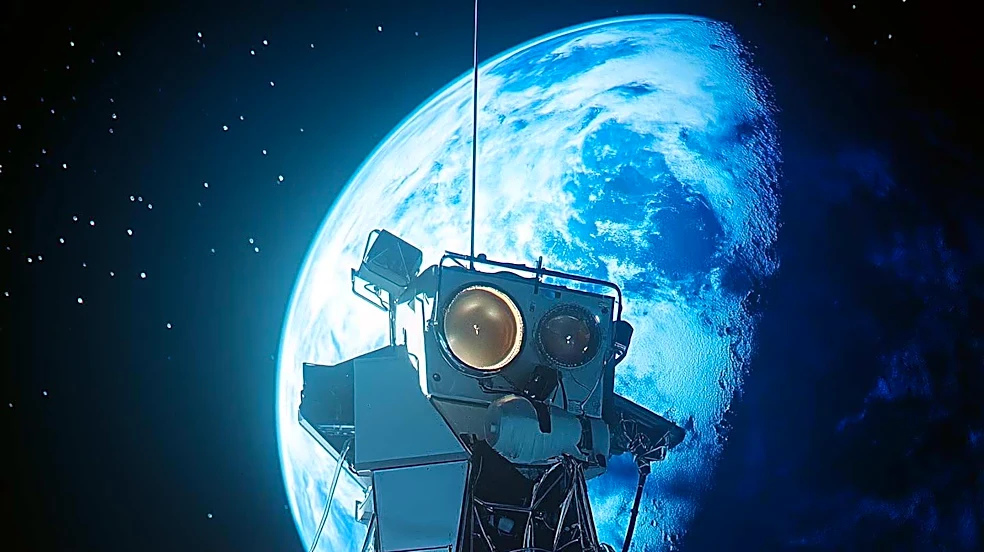
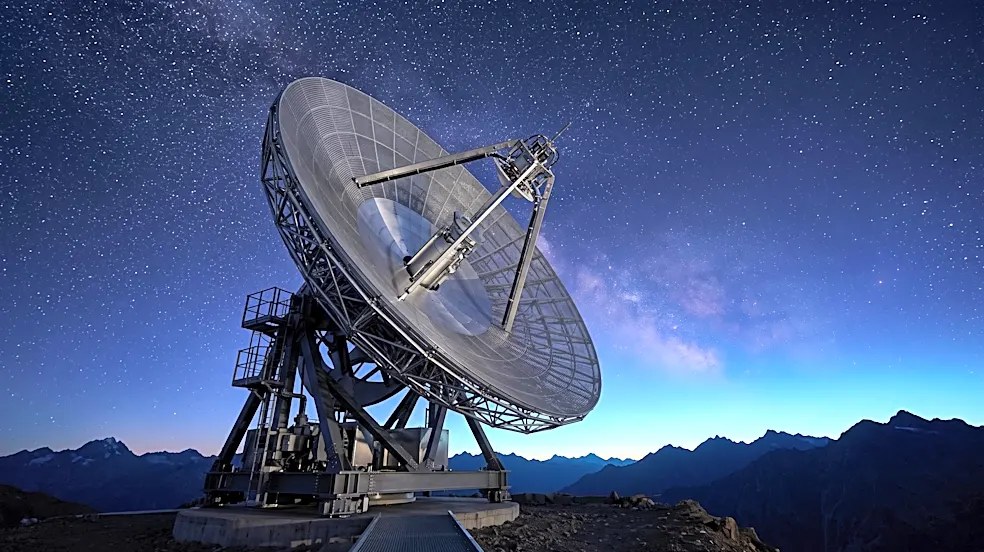
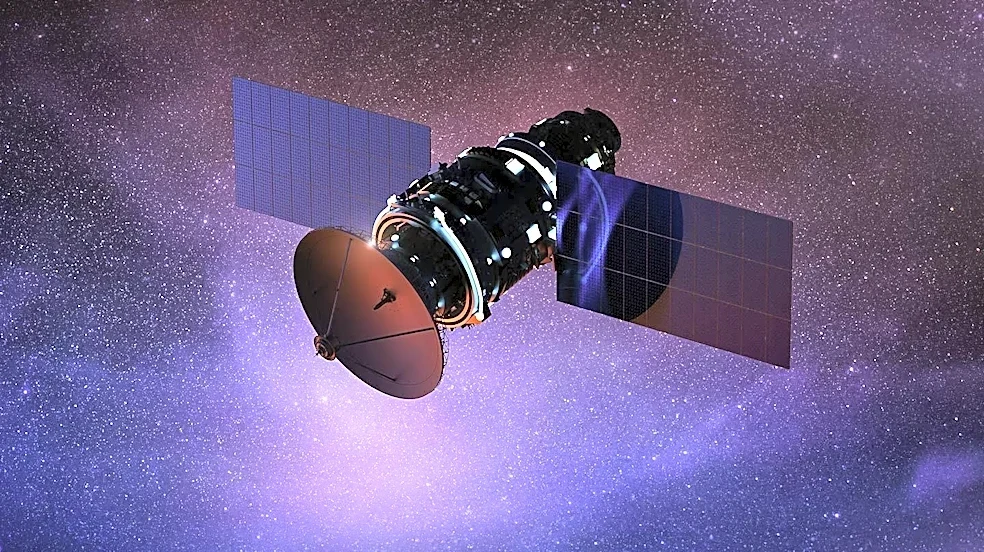
The film, directed by David Twohy, features Sheen as Zane Zaminsky, a radio astronomer who uncovers evidence of extraterrestrial life and a conspiracy involving aliens already present on Earth. The narrative is praised for its balancing act between acknowledging UFO phenomena beliefs and entertaining a neutral audience with a solid story. Sheen's performance is noted for blending his action and comedy film experience into a more cerebral role, portraying a relatable character who discovers a radio transmission from 14 light-years away while working for SETI and answering to NASA.
Why It's Important?
The re-evaluation of 'The Arrival' is important as it highlights how critical reception and public perception can evolve over time, potentially altering a film's legacy. This re-assessment challenges established narratives about certain cinematic works, suggesting that initial critical responses or marketing efforts might not fully capture a film's enduring quality or entertainment value. For Charlie Sheen's career, this re-appraisal could bring renewed attention to his more serious or genre-specific roles from the 1990s, moving beyond his more widely recognized comedic or action-oriented performances. It also underscores the cultural impact of science fiction films, particularly those dealing with alien paranoia, which resonated strongly in the 1990s due to phenomena like 'The X-Files' and public interest in figures like Bob Lazar and Area 51.
What's Next?
This renewed appreciation for 'The Arrival' could lead to increased interest in the film, potentially prompting streaming services to highlight it or film enthusiasts to revisit it. Such re-evaluations often spark discussions among film critics and audiences about other 'underrated' films from the same era or genre. For director David Twohy, this could bring more recognition to his earlier works and his skill in crafting engaging science fiction narratives. It might also encourage a broader re-examination of films that were initially dismissed but possess qualities that resonate with contemporary audiences, influencing how film history is perceived and discussed in the future.
Beyond the Headlines
Beyond its cinematic merits, the re-evaluation of 'The Arrival' reflects broader cultural shifts in how audiences engage with and interpret media. The idea of a 'smear campaign' against a film touches upon the power of critical consensus and public opinion in shaping a work's reputation, and how these can be challenged over decades. It also speaks to the enduring fascination with extraterrestrial life and conspiracy theories, themes that 'The Arrival' effectively explored. The film's ability to balance scientific concepts with thrilling narrative elements highlights the potential of science fiction to engage both intellect and emotion, offering a commentary on societal anxieties and beliefs about the unknown. This re-appraisal encourages a deeper look into the nuances of film criticism and the subjective nature of artistic appreciation.