
What's Happening?
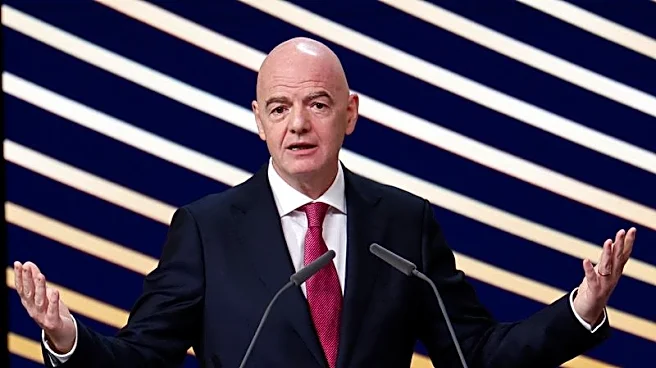
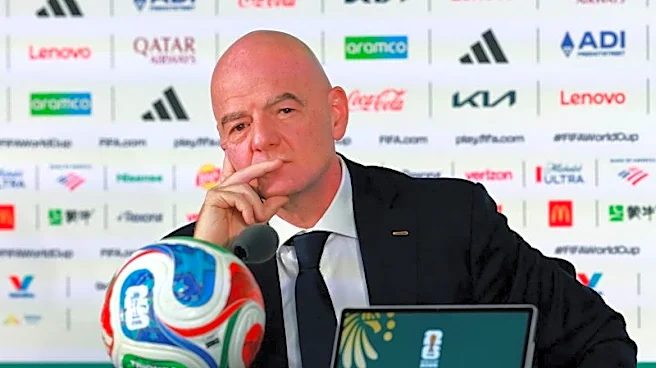
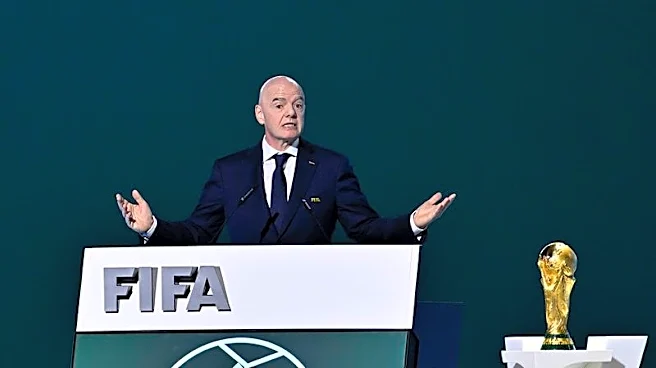
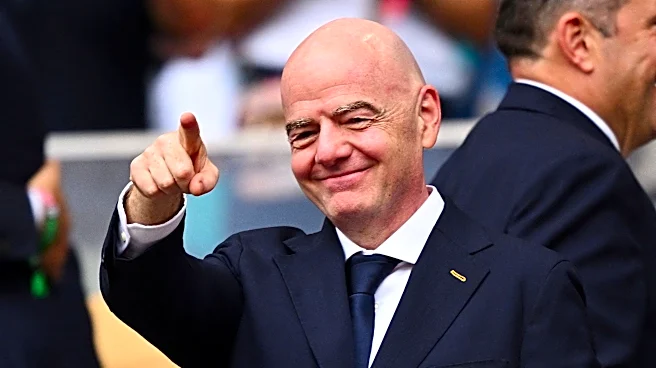
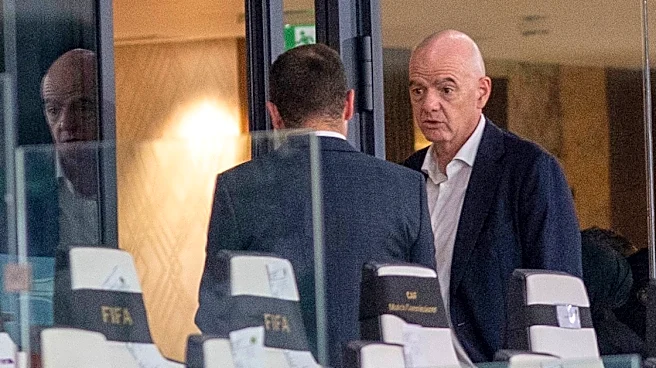
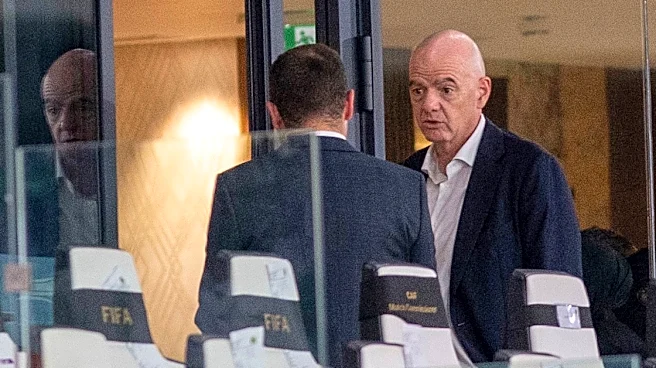
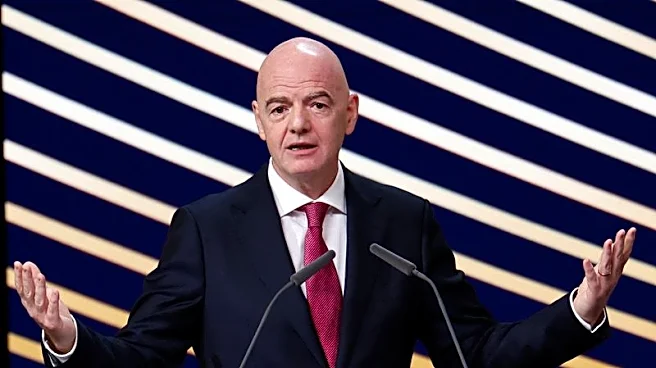
Argentina and Mexico have declared their support for FIFA President Gianni Infantino, joining Africa in backing his leadership amidst a growing divide in global football governance. This support comes after Infantino faced backlash over a controversial
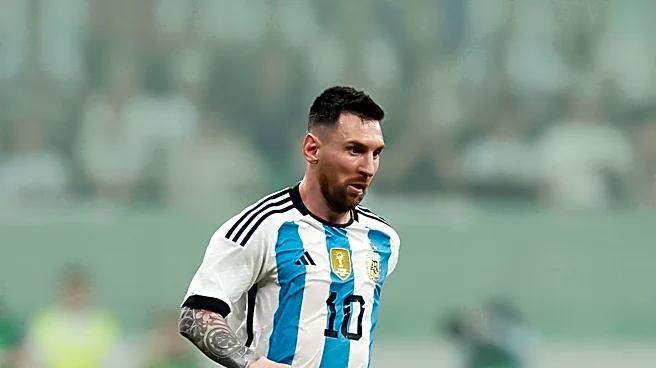
proposal to sell commercial rights to the World Cup and other FIFA events, which has since been withdrawn. The Mexican Football Federation and Argentina's football association have both expressed their backing, citing FIFA's efforts in developing football worldwide and maintaining institutional strength. This move contrasts with UEFA's stance, which remains opposed to Infantino, with Norway calling for his resignation. The Confederation of African Football (CAF) has also unanimously supported Infantino, strengthening his position against UEFA's opposition.
Why It's Important?
The support from Argentina and Mexico is significant as it highlights a deepening rift within the global football community. By backing Infantino, these countries are challenging the European football establishment, represented by UEFA, which has been critical of Infantino's leadership. This divide could impact the governance and future direction of FIFA, potentially affecting international football relations and the management of global tournaments. The backing from Africa, with its substantial membership, further solidifies Infantino's position, potentially influencing the outcome of future FIFA presidential elections and the organization's strategic decisions.
What's Next?
Infantino is expected to face challenges to his presidency at the upcoming FIFA Congress in Morocco. The support from Argentina, Mexico, and Africa may bolster his chances of retaining leadership, but the ongoing opposition from UEFA and other associations could lead to further tensions and negotiations within FIFA. The situation may prompt discussions on governance reforms and the need for greater transparency and dialogue within the organization to address the concerns raised by various football associations.
Beyond the Headlines
The controversy surrounding Infantino's leadership and the proposed commercial rights sale raises questions about the balance of power within FIFA and the influence of different regional confederations. The situation underscores the complexities of managing a global sports organization with diverse interests and priorities. It also highlights the potential for geopolitical dynamics to influence sports governance, as countries and regions align themselves based on broader strategic interests beyond football.