
What's Happening?
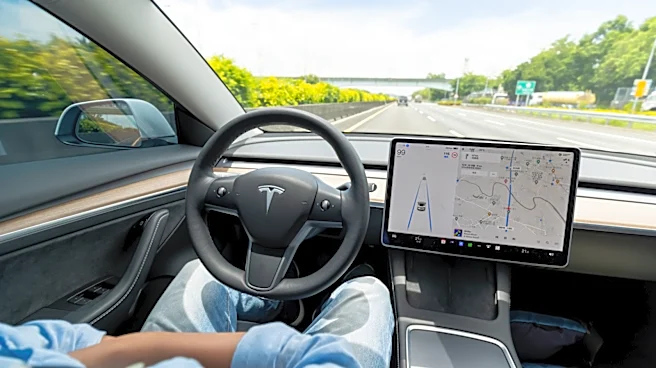
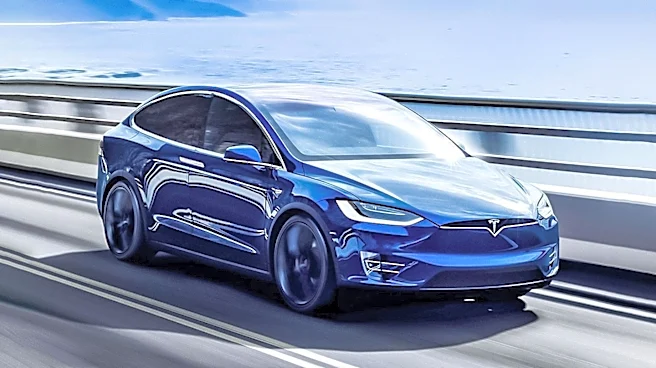
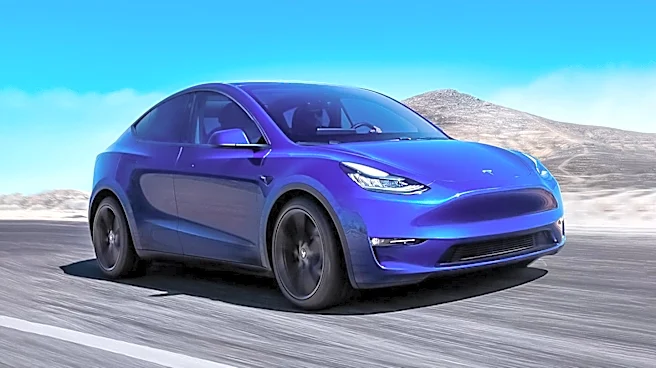
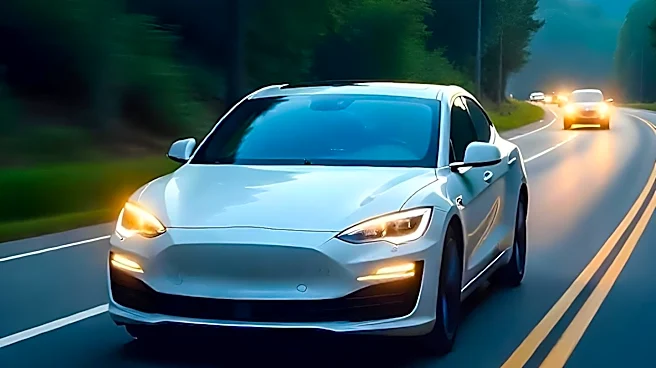
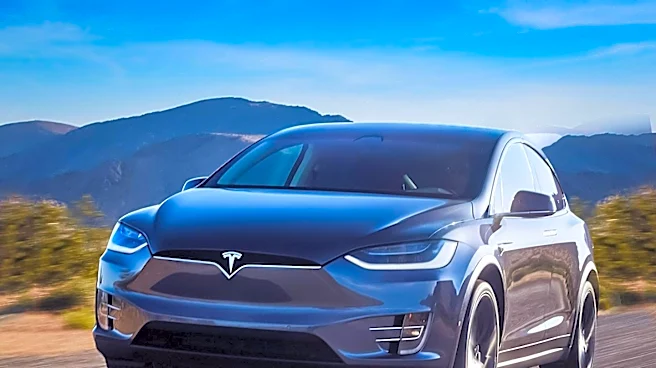
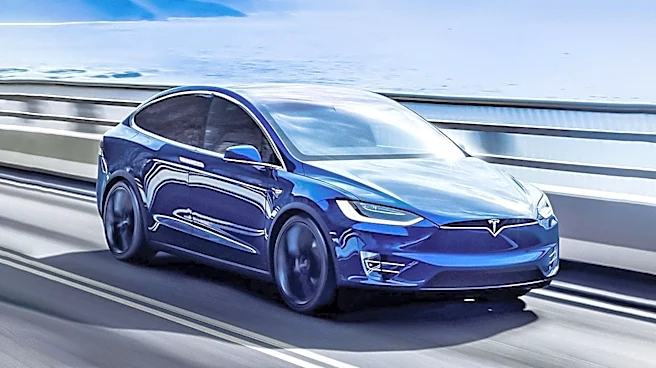
Tesla's latest Full Self-Driving (FSD) v15 software has unveiled a new feature called Reality View, which generates realistic driving scenes using real-time artificial intelligence rather than conventional 3D graphics engines. According to Elon Musk,
Reality View utilizes real-time AI video generation and consumes only half of one TRIP accelerator within Tesla’s AI4 self-driving computer. Tesla AI chief Ashok Elluswamy explained that this visualization shares visual features with the same end-to-end driving model responsible for vehicle control. This marks a significant departure from previous FSD visualizations that relied on tools like Godot, as Reality View aims to reconstruct a realistic representation of the surrounding environment. The technology integrates a visual encoder with two AI models: a driving model with approximately three billion parameters for determining actions and a separate diffusion model with about one billion parameters for generating visual representations. Diffusion models progressively remove noise to reconstruct images, with Tesla's implementation using previously generated frames as a starting point to produce updated driving scenes at approximately 36 frames per second.
Why It's Important?
The introduction of Reality View in Tesla's FSD v15 software signifies a major evolution in automotive AI, moving vehicles beyond mere recognition of the environment to generating an AI-based representation of it. This shift could set a new standard for how autonomous vehicles perceive and interact with their surroundings, potentially influencing the development of self-driving technology across the industry. For consumers, a more realistic and AI-generated visualization could enhance trust and understanding of how autonomous systems operate, although current limitations like processing delays and occasional visual distortions need to be addressed. The reliance on a significant portion of the AI4 chip's processing power for Reality View also raises questions about the allocation of computing resources and potential impacts on other critical workloads and safety redundancies, which are crucial for the widespread adoption and reliability of autonomous driving systems. The success and refinement of this technology could accelerate the timeline for fully autonomous vehicles, impacting transportation, logistics, and urban planning.
What's Next?
Tesla is actively working to reduce the processing delays associated with Reality View, with Elon Musk acknowledging efforts to decrease latency by approximately 35%. Addressing current limitations such as occasional visual distortions, drifting details, and inconsistencies around road signs will be crucial for the feature's widespread acceptance and reliability. Further optimization of the AI models and hardware utilization will be necessary to ensure that the impressive visualization capabilities are matched by low latency and demonstrable safety. The development also prompts ongoing discussions regarding redundancy and safety, particularly concerning the allocation of computing capacity for backup operations. As Tesla continues to refine Reality View, its performance and safety record will be closely scrutinized by regulators, consumers, and competitors, influencing future advancements and regulatory frameworks for autonomous driving technology. The company's progress in overcoming these challenges will determine the pace at which autonomous driving can become truly dependable and widely adopted.
Beyond the Headlines
The shift from traditional 3D rendering to real-time AI video generation in Tesla's FSD v15 software has profound implications beyond immediate driving visualization. This approach highlights a broader trend in artificial intelligence where generative AI is increasingly used to create realistic simulations and representations of the real world. Ethically, the reliance on AI to 'reconstruct a realistic representation' rather than simply detecting objects raises questions about the nature of perception in autonomous systems and the potential for AI-generated 'reality' to diverge from actual reality, especially in complex or unforeseen scenarios. Legally, the implications for liability in accidents involving AI-generated visualizations could be significant, as the system is not just interpreting but actively creating the visual environment for the driver or the autonomous system itself. Culturally, this technology pushes the boundaries of human-machine interaction, potentially altering our understanding of what it means for a machine to 'see' and 'understand' its surroundings, moving closer to a form of artificial consciousness in perception. This development could also spur innovation in other fields requiring real-time environmental reconstruction, such as robotics, virtual reality, and advanced simulation.