





What's Happening?
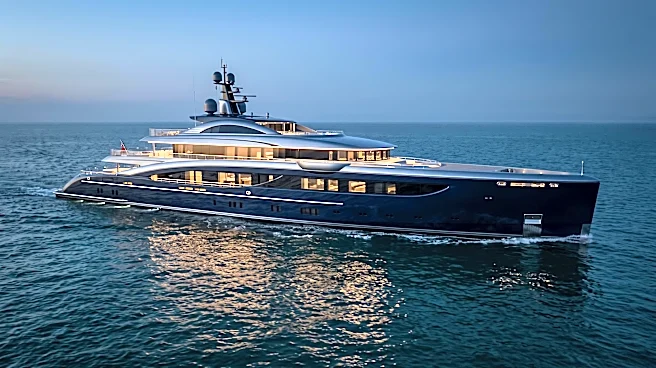
Gabe Newell, co-founder of Valve, has significantly altered the traditional concept of superyacht ownership with his 111-meter vessel, Leviathan, and its support vessel, Draak. Unlike conventional luxury yachts, Newell's approach prioritizes crew welfare
and marine research. He has been living on the water almost full-time since the pandemic, accompanied by his three cats, and even acquired Oceanco, the Dutch shipyard that constructed the vessel. The Leviathan features amenities such as professional dive centers, decompression chambers, and onboard hospitals, serving as a base for marine researchers globally through Newell's Inkfish research fleet. Notably, Newell has designed the yacht to foster a communal environment, with prime spots typically reserved for guests, like the main lounge, instead allocated for the crew mess, where he dines daily with his staff. The vessel also includes 15 gaming stations and an NBA-height basketball hoop, shared by crew and guests alike.
Why It's Important?
Newell's innovative approach to superyacht design and ownership challenges the established norms of the luxury yacht industry. By prioritizing crew well-being and integrating marine research facilities, he sets a new standard that could influence future yacht construction and ownership philosophies. The extended tenure of his crew, averaging four and a half years compared to the industry standard of six to nine months, highlights the positive impact of his crew-centric model. This shift could lead to improved working conditions and retention rates within the superyacht sector. Furthermore, the dedication of Leviathan and Draak to marine research provides a unique platform for scientific study, potentially contributing valuable data and discoveries to oceanography and environmental science. This blend of luxury, philanthropy, and scientific endeavor demonstrates a novel way for high-net-worth individuals to leverage their assets for broader societal and environmental benefit.
What's Next?
Newell's continued operation of the Leviathan and Draak as part of the Inkfish research fleet is expected to facilitate ongoing marine research, potentially leading to new scientific insights and collaborations. The unique design and operational philosophy of his superyacht may inspire other wealthy individuals and shipyards to reconsider traditional luxury yacht models, potentially fostering a trend towards more purposeful and crew-friendly vessels. The long-term impact on crew retention and satisfaction within the superyacht industry will be closely watched, as Newell's model could serve as a benchmark for best practices. Additionally, his involvement with the Heart of Racing motorsport project, which raises money for children's charities, suggests a continued commitment to philanthropic endeavors that could expand in scope.
Beyond the Headlines
The ethical implications of extreme wealth are often debated, and Newell's approach offers a compelling counter-narrative by demonstrating how significant resources can be directed towards both personal enjoyment and public good. His decision to prioritize crew welfare and scientific research over ostentatious displays of luxury challenges the perception of superyachts as purely symbols of extravagance. This could spark broader discussions about corporate social responsibility and the role of billionaires in addressing global challenges. The integration of advanced technology, such as the specialized decking and gaming setups, also reflects a modern, tech-forward mindset that could influence design and functionality across various luxury sectors. Newell's model suggests a potential cultural shift where luxury is increasingly intertwined with purpose and community.