






What's Happening?
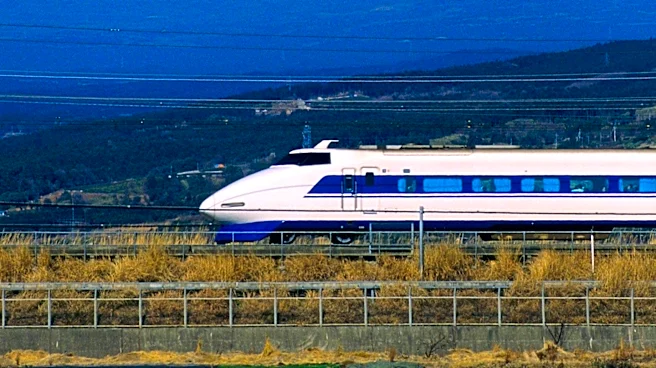
JR Central and JR West have announced the launch of 'Supreme Class,' a new private-cabin tier for the Tokaido and Sanyo Shinkansen bullet train lines, effective October 1, 2026. This marks the first time since 2003 that the Shinkansen will offer lockable
private rooms. The Supreme Class will be integrated into 16-car N700S trainsets, featuring two cabin types: a single-seat cabin for one guest in Car No. 10 and a two-seat cabin for up to two guests with a sofa in Car No. 7. Both cabin types are enclosed private rooms equipped with electronic-lock doors that operate with a QR ticket or IC card. Inside, passengers will find reclining seats with leg rests, lumbar support, and seat heaters, all controllable via an in-cabin tablet. Additional amenities include a dedicated 5G-capable Wi-Fi network, a headrest speaker utilizing NTT’s Personalised Sound Zone technology to prevent sound leakage, a large table, Type-A and Type-C charging ports, a hanger, and a decorative table ornament. Guests will also receive a welcome drink and confectionary, along with access to exclusive mobile order services. The initial rollout will include approximately 12 trains daily, increasing to around 30 by the end of the current fiscal year, with a target of 30% of all Tokaido Shinkansen services by the end of fiscal 2028. Bookings will open on September 15, 2026, through the Tokaido Sanyo Shinkansen Online Reservation Service (Smart EX) and Express Reservation.
Why It's Important?
The introduction of Supreme Class on Japan's Tokaido and Sanyo Shinkansen lines signifies a significant upgrade in premium rail travel, potentially influencing luxury travel standards globally. For U.S. travelers and the international tourism industry, this development offers a new, high-end option for experiencing Japan's renowned bullet train system, which could attract more affluent tourists seeking privacy and enhanced comfort. This move by JR Central and JR West could set a precedent for other high-speed rail operators worldwide, including potential future high-speed rail projects in the U.S., to consider incorporating similar private cabin offerings to cater to a discerning clientele. The emphasis on advanced technology, such as 5G Wi-Fi and personalized sound zones, highlights a trend towards integrating cutting-edge solutions into transportation to improve passenger experience. The increased capacity for premium travel could also stimulate demand for related luxury services in Japan, such as high-end hotels and exclusive tours, indirectly benefiting U.S. travel agencies and tour operators specializing in international luxury travel. Furthermore, the competitive pricing structure, with variations for peak and off-peak seasons, demonstrates a strategic approach to maximizing revenue while offering flexibility to travelers.
What's Next?
Following the October 1, 2026, launch, JR Central plans to gradually expand the availability of Supreme Class, aiming for it to be on approximately 30% of all Tokaido Shinkansen services by the end of fiscal 2028. Bookings will commence on September 15, 2026, via the Tokaido Sanyo Shinkansen Online Reservation Service (Smart EX) and Express Reservation, with tickets released one month in advance of travel. JR Central is also developing a semi-private Supreme Class Seat, scheduled for fiscal 2027 (April 2027 to March 2028). This future offering will feature a large back-shell seat with an electronic-lock door and the ability to rotate, allowing two guests to sit facing each other. This indicates a continued evolution in premium seating options, suggesting further innovations in passenger comfort and privacy. The success of the Supreme Class cabins will likely be closely monitored by other global rail operators, potentially influencing future design and service enhancements in high-speed rail travel.
Beyond the Headlines
The introduction of Supreme Class cabins on the Shinkansen reflects a broader societal trend towards valuing privacy and personalized experiences, even in public transportation. This move could be seen as a response to the increasing demand for exclusive and comfortable travel options, particularly from business travelers and high-net-worth individuals. The integration of advanced technology, such as 5G connectivity and personalized sound systems, underscores a shift towards creating 'smart' travel environments that cater to individual needs and preferences. This could lead to a re-evaluation of standard class offerings, potentially pushing for improvements across all tiers of service to maintain competitiveness. Furthermore, the emphasis on security with electronic-lock doors highlights a growing concern for personal space and safety in travel. The development of semi-private seats in the future suggests a continuous innovation cycle in the rail industry, aiming to bridge the gap between fully private cabins and open-plan seating, offering a spectrum of choices to cater to diverse passenger requirements and budgets. This evolution could influence urban planning and infrastructure development, as cities and transportation hubs adapt to accommodate these new travel paradigms.