





What's Happening?
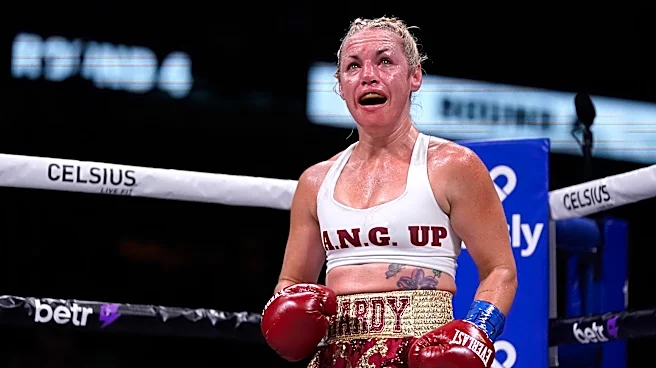
Most Valuable Promotions (MVP), co-founded by Jake Paul, is being sued for $10 million by former WBO women's featherweight champion Heather Hardy. Hardy alleges that a fight against Amanda Serrano in August 2023, promoted by MVP, resulted in a career-ending
traumatic brain injury. According to Hardy, MVP exploited her precarious financial situation to pressure her into the dangerous rematch, despite alleged warnings about her health. The lawsuit, filed in the U.S. District Court of Northern Texas, claims violations of the Muhammad Ali Boxing Reform Act due to negligence. Hardy, who retired in 2024, has publicly shared her health struggles, including vision problems and difficulty working, and initiated a GoFundMe campaign to cover basic expenses. MVP has issued a statement expressing sympathy for Hardy but asserts that her participation was arranged through her promoter, Lou DiBella, and that all applicable protocols were followed, with Hardy medically cleared by the athletic commission.
Why It's Important?
This lawsuit highlights critical issues within the combat sports industry, particularly concerning fighter safety, promoter responsibility, and the long-term health consequences faced by athletes. The claim that MVP exploited Hardy's financial vulnerability to push for a dangerous fight raises questions about ethical practices in boxing promotions. If Hardy's allegations are proven, it could set a precedent for increased scrutiny on how promoters manage fighter welfare, especially for those with pre-existing health concerns or financial difficulties. The case also brings the Muhammad Ali Boxing Reform Act into focus, potentially leading to a re-evaluation of its enforcement and effectiveness in protecting boxers. The outcome could influence future contractual agreements, medical clearance procedures, and financial support systems for fighters, potentially leading to stricter regulations to safeguard athletes from career-ending injuries and financial exploitation.
What's Next?
The lawsuit will proceed in the U.S. District Court of Northern Texas, where both parties will present their arguments and evidence. MVP is expected to continue defending its position, emphasizing that all protocols were followed and that Hardy was medically cleared by the athletic commission. Hardy's legal team will likely focus on demonstrating negligence and violations of the Muhammad Ali Boxing Reform Act, potentially bringing in medical experts to substantiate her claims of permanent brain damage. The case could involve extensive discovery, including medical records and communications between Hardy, her former promoter Lou DiBella, and MVP. Depending on the court's decisions, this could lead to a settlement or a full trial. The boxing community, including other fighters and promoters, will likely monitor the proceedings closely, as the outcome could influence industry standards and legal precedents regarding fighter safety and promoter accountability.
Beyond the Headlines
This lawsuit delves into the often-overlooked ethical and long-term societal implications of professional combat sports. Beyond the immediate legal battle, it underscores the inherent risks of boxing and the potential for severe, lasting health consequences like traumatic brain injury, which can profoundly impact a fighter's quality of life and financial stability long after their career ends. The case also sheds light on the power dynamics between promoters and fighters, particularly when athletes face financial hardship, raising questions about the moral obligations of promotional companies. It could spark broader discussions about establishing more robust support systems for retired fighters, including comprehensive healthcare and financial planning, to mitigate the devastating effects of career-ending injuries. The outcome may also influence public perception of combat sports, potentially leading to calls for greater transparency and accountability from governing bodies and promoters to ensure the well-being of athletes.