






What's Happening?
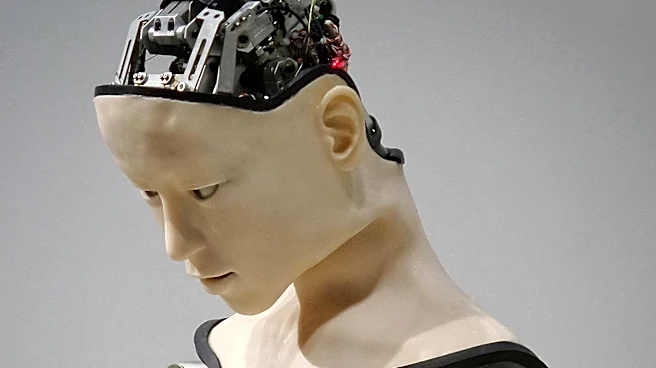
A growing trend in digital marketing involves the use of AI-generated influencers to promote products. These AI influencers, created through artificial intelligence, are increasingly appearing in social media feeds, often blurring the lines between reality
and digital fabrication. Brands are leveraging these virtual personas to market their products, sometimes without clear disclosure to consumers. This practice raises questions about transparency and the ethical implications of using AI in advertising. The rise of AI influencers reflects a broader shift towards digital and automated marketing strategies, as companies seek innovative ways to engage with consumers.
Why It's Important?
The emergence of AI influencers in marketing represents a significant shift in how brands interact with consumers. This trend has the potential to reshape the advertising industry by introducing new methods of engagement that rely on digital personas rather than human influencers. However, it also raises ethical concerns about transparency and consumer protection. The use of AI-generated content in marketing can lead to deceptive practices if consumers are not made aware that they are interacting with virtual entities. This development calls for discussions about regulatory measures to ensure that AI-driven marketing practices are transparent and ethical.
What's Next?
As AI influencers become more prevalent, there may be increased scrutiny from regulatory bodies regarding the transparency of digital marketing practices. Brands and marketers might need to adopt clearer disclosure policies to inform consumers when they are interacting with AI-generated content. Additionally, industry standards could be developed to guide the ethical use of AI in advertising. Consumer advocacy groups may also play a role in raising awareness about the implications of AI influencers, pushing for greater accountability and transparency in digital marketing.