


What's Happening?
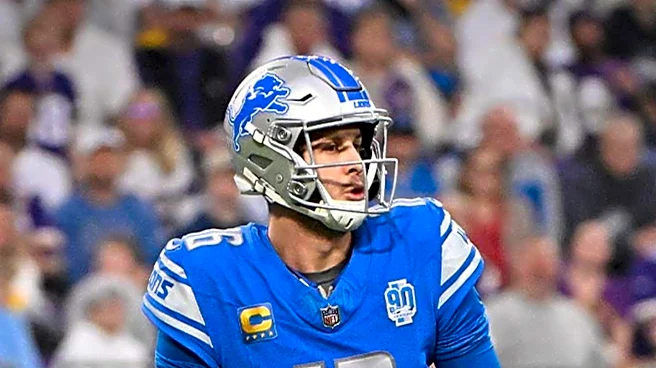
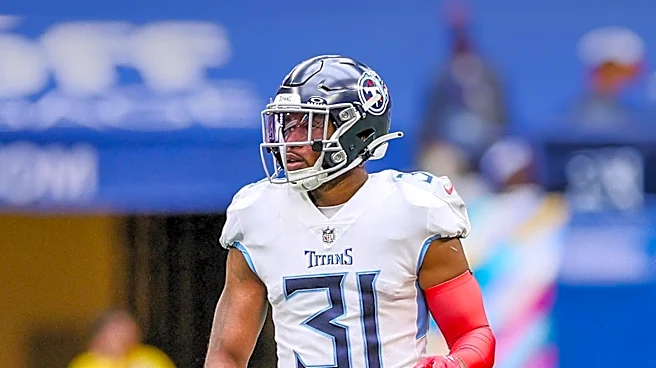
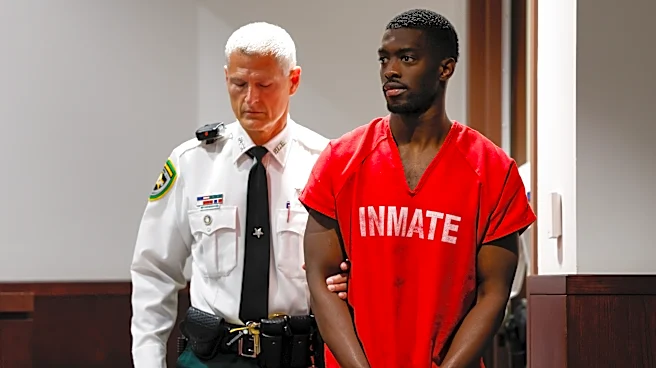
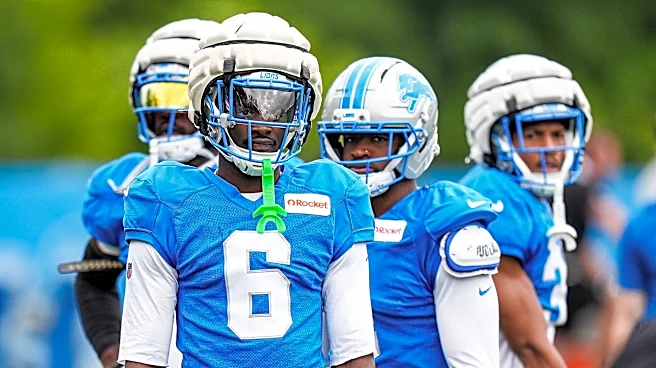
Terrion Arnold, a former cornerback for the Detroit Lions, was released from Hillsborough County Jail after posting a $1 million bond. This release follows his arrest on multiple felony charges, including armed robbery and kidnapping. Judge Christopher
Sabella granted Arnold's request for release pending trial, with conditions that include home confinement in Tallahassee, Florida, except for court-related appearances. Arnold is prohibited from contacting co-defendants or witnesses and must surrender his passport. The charges stem from an alleged incident where Arnold orchestrated the abduction and robbery of three men. The state attorney's office has filed a motion for Arnold to wear a GPS monitor, a condition his attorneys argue is incompatible with playing football. Arnold, a 2024 first-round draft pick, was released by the Lions, ending speculation about his participation in the upcoming training camp.
Why It's Important?
The case against Terrion Arnold highlights significant issues within the NFL regarding player conduct and legal accountability. The charges against Arnold, if proven, could have severe implications for his career and personal life. The NFL's personal conduct policy is under scrutiny as it navigates the balance between legal proceedings and player participation. The Lions' decision to release Arnold reflects the team's stance on maintaining its reputation amidst legal controversies. This situation also underscores the broader challenges professional sports teams face in managing players' off-field behavior and the potential impact on team dynamics and public perception.
What's Next?
As the legal proceedings continue, Arnold's future in the NFL remains uncertain. The court's decision on the GPS monitoring motion could set a precedent for how similar cases are handled in the future. The NFL and the Detroit Lions will likely monitor the situation closely, as it may influence policies related to player conduct and legal issues. The outcome of Arnold's trial will be pivotal in determining his career trajectory and could prompt discussions on the support systems available to athletes facing legal challenges.