


What's Happening?
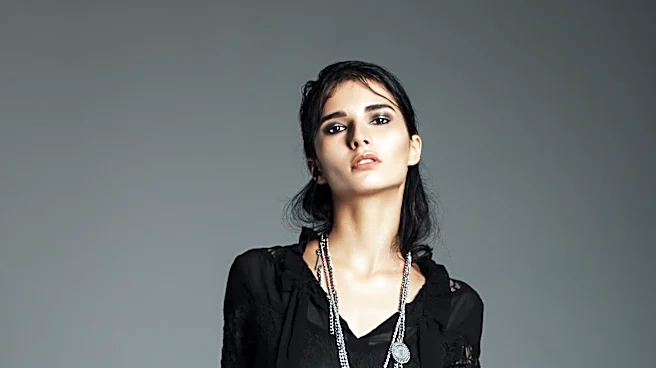
The goth subculture, traditionally an underground movement, has increasingly permeated mainstream fashion, with black becoming a luxury aesthetic. This shift has led to a more fluid interpretation of goth, emo, punk, grunge, alternative, and Y2K styles,
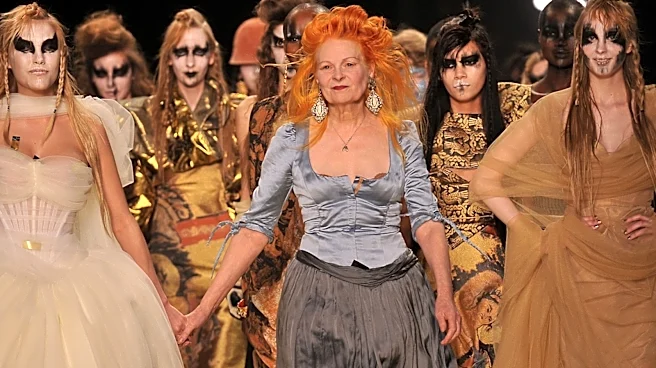
which are now in constant dialogue on social media platforms like TikTok and Instagram. These platforms accelerate the breakdown of subcultures into individual elements, tutorials, and microtrends, allowing individuals to construct their own styles from diverse references. The relationship between goth and mainstream fashion is not new, with designers like Vivienne Westwood having previously incorporated punk, romanticism, and theatricality into high fashion. Contemporary designers such as Ann Demeulemeester and Dilara Findikoglu are also drawing on dark-romantic flourishes and subcultural references in their collections, transforming darkness into a language of identity, vulnerability, and power. This evolution means that modern goth does not necessarily require adherence to gothic rock, specific communities, or strict identification, but rather an appreciation for dark aesthetics, dramatic makeup, leather, and romantic silhouettes.
Why It's Important?
The mainstreaming of the goth subculture signifies a broader trend in the fashion industry where niche styles are rapidly absorbed and reinterpreted for a wider audience. This phenomenon impacts how fashion trends are generated and consumed, moving away from traditional top-down models to a more decentralized, social media-driven approach. The commercialization of subcultural aesthetics can lead to significant economic opportunities for brands that successfully adapt these styles, as evidenced by the surge in searches for 'goth' and 'alt girl' imagery following viral content. However, it also raises questions about the authenticity and original meaning of these subcultures when their elements are detached from their historical and social contexts. For consumers, this trend offers greater freedom in personal style expression, allowing for the creation of unique looks by mixing and matching elements from various subcultures. For the fashion industry, it highlights the growing influence of social media and individual creators in shaping trends, necessitating a more agile and responsive approach to design and marketing.
What's Next?
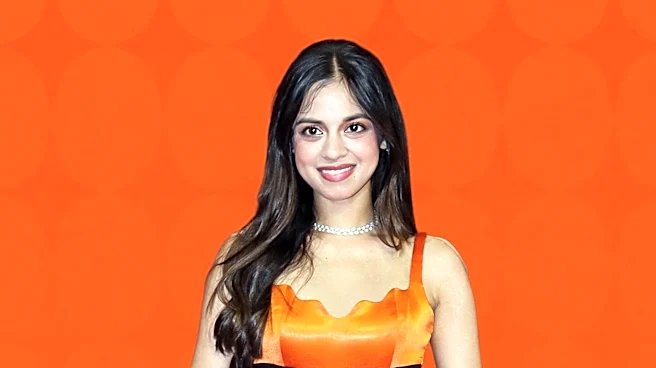
The continued integration of subcultures into mainstream fashion suggests that this fluid aesthetic will likely persist and evolve. Social media platforms will remain crucial in disseminating and transforming these styles, with new microtrends emerging rapidly. Designers will likely continue to draw inspiration from various subcultures, further blurring the lines between niche and mainstream fashion. This could lead to more collaborations between high fashion brands and figures associated with subcultural aesthetics, similar to how Jenna Ortega has become a dark icon through her portrayal of Wednesday Addams. The fashion industry will need to navigate the balance between commercial appeal and maintaining the perceived authenticity of these styles. Consumers can expect an even wider array of fashion choices that blend diverse influences, encouraging personalized style construction. The ongoing dialogue between different subcultural elements on social media will continue to shape future fashion landscapes, making it essential for brands to monitor these digital trends closely.
Beyond the Headlines
The mainstreaming of goth and other subcultures reflects a deeper cultural shift towards individualized identity construction and the erosion of traditional boundaries. In an increasingly interconnected world, where information and aesthetics are shared globally and instantaneously, the concept of a distinct, isolated subculture becomes more challenging to maintain. This trend highlights the power of digital platforms to democratize fashion, allowing individuals to curate their identities through visual expression without necessarily subscribing to the full ideological framework of a subculture. However, it also raises ethical considerations regarding cultural appropriation, as elements of subcultures are often commodified without acknowledging their origins or significance. The transformation of subcultural codes into luxury choices and marketable products can strip them of their rebellious or counter-cultural essence, turning them into mere aesthetic choices. This ongoing process underscores the dynamic interplay between authenticity, commercialism, and identity in contemporary society, where personal style becomes a complex negotiation of belonging and self-expression.