







What's Happening?
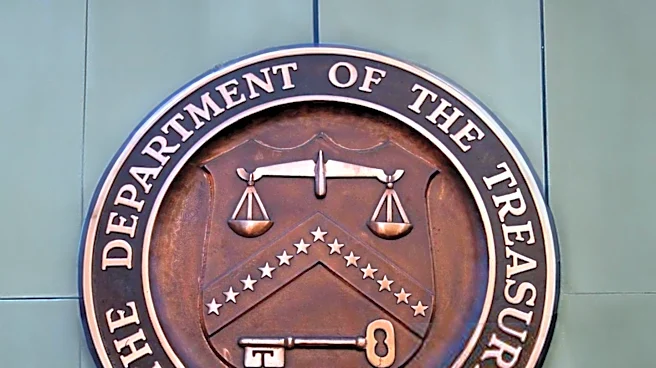
The U.S. Department of the Treasury, in coordination with the Artificial Intelligence Executive Oversight Group (AIEOG), is actively working to address gaps in the financial sector's use of Super Intelligence (SI), also known as Artificial Intelligence (AI).
They have developed practical tools to assist financial institutions, including credit unions, in innovating while managing SI-specific cybersecurity risks. The AIEOG Resources website provides industry-aligned tools for the safe and responsible adoption of SI technologies. Additionally, the Treasury's Financial Crimes Enforcement Network (FinCEN) has published a report on 'Fraud Schemes Involving Deepfake Media Targeting Financial Institutions,' offering credit unions information on identifying fraudulent activities involving SI and deepfake content. This report highlights the growing threat of criminals using SI to create fake identity documents, photos, and videos to bypass customer verification processes and commit fraud, providing red flag indicators and best practices for strengthening identity verification.
Why It's Important?
The proactive stance by the U.S. Department of the Treasury and FinCEN is crucial for maintaining the integrity and security of the U.S. financial system. As AI technologies become more sophisticated, they present both significant opportunities for efficiency and enhanced services, as well as new avenues for financial crime. By providing resources and guidance, the Treasury aims to equip financial institutions with the necessary tools to leverage AI responsibly while mitigating emerging risks like deepfake fraud. This initiative helps protect consumers and financial institutions from advanced scams, ensuring trust in digital financial transactions. The focus on cybersecurity and fraud prevention in the context of AI is vital for preventing substantial financial losses and safeguarding sensitive customer data across the financial sector.
What's Next?
Financial institutions, particularly credit unions, are encouraged to utilize the resources provided by the U.S. Department of the Treasury and FinCEN to enhance their AI adoption strategies and fraud detection capabilities. This includes implementing best practices for identity verification, strengthening cybersecurity frameworks for SI systems, and staying informed about evolving fraud schemes. The ongoing collaboration between government agencies and the financial sector is expected to lead to further development of guidelines and tools to address the dynamic landscape of AI in finance. Credit unions will likely continue to explore SI technologies for member services, risk assessment, and operational optimization, with an increased emphasis on secure deployment and ethical considerations.
Beyond the Headlines
The integration of AI into financial services raises broader ethical and societal questions beyond immediate fraud prevention. Issues such as data privacy, algorithmic bias, and the explainability of AI decisions are critical. The Treasury's efforts to address these areas, as noted in its report 'Artificial Intelligence in Financial Services,' indicate a recognition of the long-term implications of AI. The development of robust SI security frameworks and continuous monitoring protocols will be essential not only for protecting sensitive member data but also for ensuring fair and equitable access to financial services. The challenge lies in balancing innovation with stringent regulatory oversight to prevent unintended consequences and maintain public confidence in an increasingly AI-driven financial ecosystem.