

What's Happening?
The HSN blog has published a comprehensive guide on hamstring exercises, emphasizing that effective training can be achieved at home without the need for machines. The guide outlines various exercises, including hip hinge movements and knee flexion exercises, which
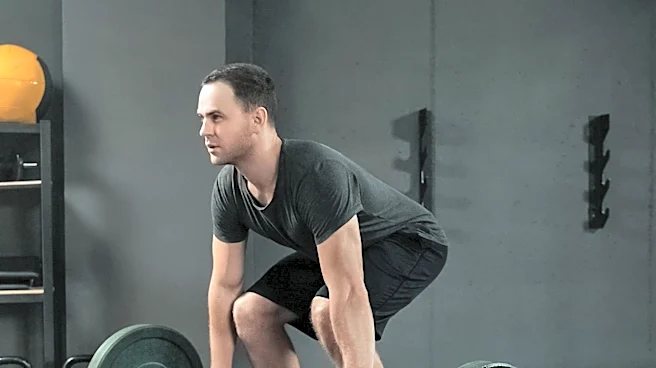
can be performed using body weight and simple accessories. It recommends starting with 2-3 sets of one hip hinge and one knee flexion exercise, gradually increasing repetitions or adding resistance as strength improves. Specific exercises highlighted include the Romanian deadlift (with dumbbells if available), hamstring curls with sliders, a towel, or a ball, and single-leg glute bridges with feet positioned further forward. The article also stresses the importance of proper technique to prevent common mistakes like rounding the lower back or using momentum.
Why It's Important?
This guide is important for individuals seeking to strengthen their hamstrings and improve overall leg strength and injury prevention, particularly in a home setting. Hamstring strength is crucial for athletic performance, muscular balance, and knee stability, and the ability to train these muscles effectively without gym equipment makes fitness more accessible. The focus on eccentric capacity in hamstring training is a key strategy for preventing muscle injuries, especially in sports involving sprints and rapid changes in direction. By providing detailed instructions and common mistake warnings, the HSN blog empowers individuals to perform these exercises safely and effectively, reducing the risk of injury and maximizing workout benefits. This resource supports the growing trend of home-based fitness and self-directed wellness.
What's Next?
As the demand for home workout solutions continues, it is likely that more detailed guides and routines for specific muscle groups will emerge from fitness blogs and platforms. The emphasis on bodyweight and minimal-equipment exercises will probably grow, leading to innovations in home fitness accessories and digital training programs. Educational content that focuses on proper form and injury prevention will become increasingly valuable. Fitness enthusiasts may also seek out more advanced variations of these exercises or explore how to integrate them into broader home workout plans. The availability of such resources could encourage a wider population to engage in strength training, contributing to improved physical health and reduced injury rates.
Beyond the Headlines
The detailed guidance on hamstring training at home reflects a broader shift in fitness culture towards self-sufficiency and informed exercise practices. It underscores the idea that effective strength training is not exclusive to gym environments but can be achieved with knowledge and consistency. This trend also highlights the role of online content in educating the public on exercise science and technique, moving beyond generic workout advice. The focus on injury prevention through eccentric training is a testament to the increasing sophistication of fitness knowledge available to the general public. This empowers individuals to take a more proactive role in their physical well-being, potentially leading to a more resilient and healthier population.