







What's Happening?
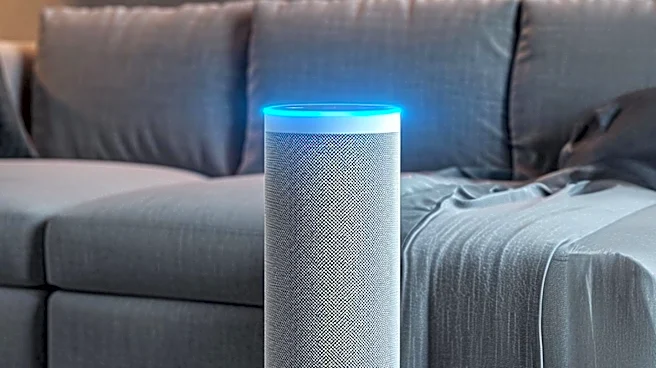
Amazon has implemented price increases across several of its first-party hardware devices, including its Echo smart speakers, Fire TV line, Kindle e-readers, and eero wireless mesh networking systems. For instance, the base Echo Dot's price rose from
$49.99 to $79.99, and the 16-gigabyte Kindle increased from $109.99 to $149.99. The Fire TV Stick HD model saw a price hike from $34.99 to $39.99, while the Fire TV Stick 4K Max went from $59.99 to $84.99. The Amazon eero 7 system is now $399.99, up from $349.99, and the eero Pro 7 increased from $699.99 to $799.99. An Amazon spokeswoman confirmed these adjustments, stating that the consumer electronics industry is experiencing "significant increases in memory and storage component costs." The company absorbed these costs for as long as possible before implementing the price changes. Notably, prices for Ring products were not affected. This move follows similar actions by other major tech companies facing memory chip shortages.
Why It's Important?
This pricing adjustment by Amazon is significant as it reflects broader economic pressures impacting the technology sector, particularly the rising costs of memory and storage components. Amazon, known for its competitive pricing on hardware, is now passing some of these increased costs onto consumers. This trend indicates that the era of consistently low-cost consumer electronics may be shifting, driven by supply chain challenges and high demand for components, especially those used in artificial intelligence (AI) infrastructure. The impact extends beyond Amazon, as other tech giants like Apple and Microsoft have also raised prices on their products, including Macs, iPads, and Xbox consoles, citing similar memory chip cost increases. This could lead to higher consumer spending on tech devices and potentially influence purchasing decisions, with consumers becoming more selective about their electronics investments. The increased capital expenditures by Amazon, projected to reach $220 billion this year primarily for data centers to power AI services, further underscore the financial strain caused by these component costs.
What's Next?
Amazon plans to continue offering promotions across its product lineup throughout the year to maintain accessibility for consumers, despite the recent price hikes. The company is also preparing for an upcoming fall event to showcase its newest devices, which will likely be introduced with the adjusted pricing structure. The ongoing memory chip shortage, driven by immense demand for AI compute, is expected to persist, with Amazon Chief Executive Andy Jassy indicating that the company will not have enough capacity to meet demand in both 2026 and 2027, even with increased capital expenditures. This suggests that further price adjustments or supply constraints could be possible in the future across the tech industry. Consumers should anticipate that other tech companies may follow suit with similar price increases as they grapple with the elevated costs of essential components. The situation highlights a potential long-term shift in the pricing strategies for consumer electronics.
Beyond the Headlines
The price increases by Amazon and other tech companies due to memory chip shortages reveal a deeper vulnerability within the global technology supply chain, particularly concerning the foundational components required for advanced computing and AI. The "100-year flood on memory pricing," as described by Apple CEO Tim Cook, signifies a systemic challenge that transcends individual company strategies. This situation could accelerate investments in domestic chip manufacturing and research to mitigate future supply chain disruptions and reduce reliance on a concentrated number of suppliers. Furthermore, the rising cost of essential components for AI infrastructure, as evidenced by Amazon's increased capital expenditures for data centers, underscores the significant financial investment required to support the burgeoning AI industry. This could lead to a consolidation of AI development among companies with substantial financial resources, potentially impacting innovation and competition in the long run. The shift also prompts a reevaluation of consumer expectations regarding the affordability of technology, potentially leading to a greater emphasis on product longevity and repairability.