







What's Happening?
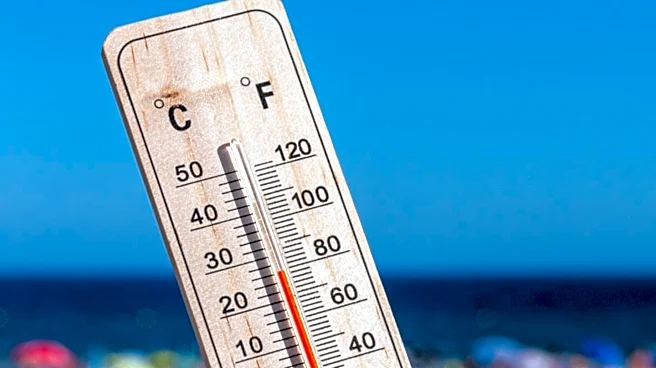
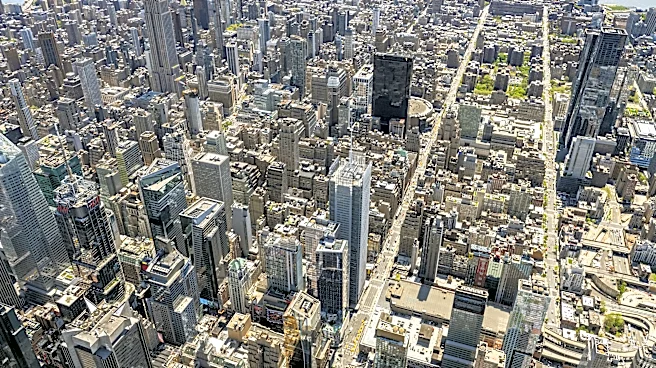
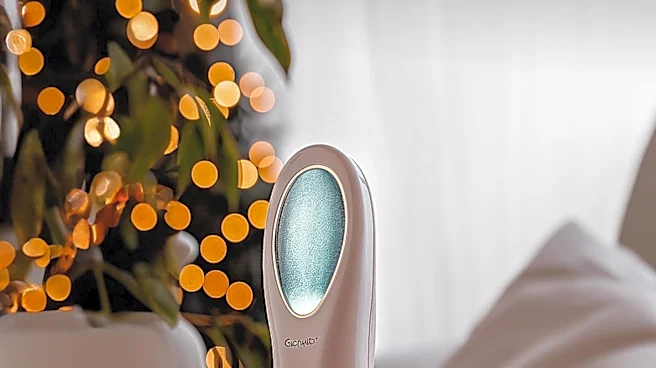
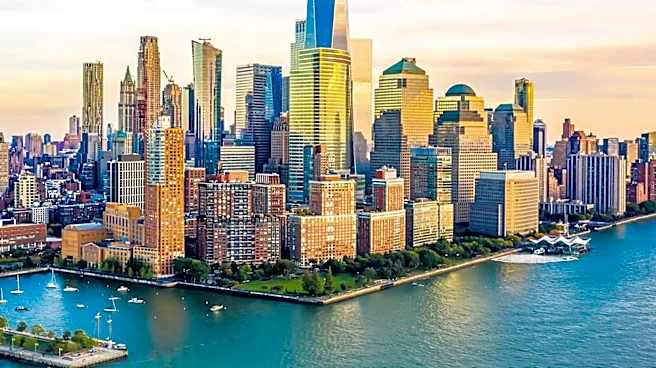
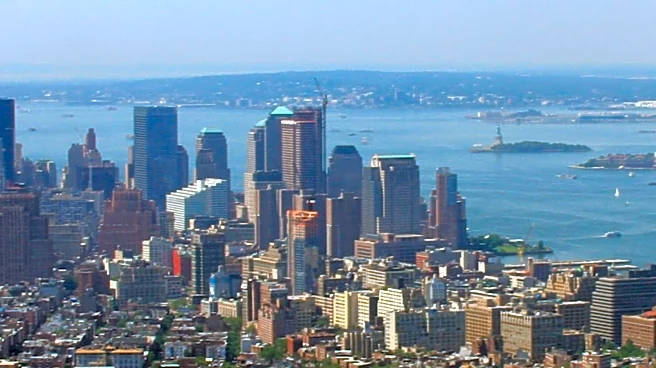
New York City is experiencing its first heat wave of the season, with temperatures reaching triple digits and high humidity levels. To combat the discomfort and potential dangers of the heat, residents are turning to a variety of cooling products. These
include a range of items from portable air conditioners and oscillating fans to cooling body bars and temperature-regulating bed sheets. The products are designed to help individuals stay cool both indoors and outdoors. For instance, the ZAFRO Smart Inverter Portable Air Conditioner offers multiple modes for cooling and dehumidifying, while the Shark ChillPill 3-in-1 Fan provides personal cooling with a rechargeable battery and cooling plate. Additionally, cooling comforters and pillows are available to help regulate body temperature during sleep. These products are part of a broader trend of innovative solutions aimed at improving comfort during extreme weather conditions.
Why It's Important?
The heat wave in New York City highlights the growing need for effective cooling solutions as climate change leads to more frequent and intense heat events. These products not only provide immediate relief but also address health concerns associated with high temperatures, such as heat exhaustion and dehydration. The availability of such products can significantly impact public health, particularly for vulnerable populations like the elderly and those with pre-existing health conditions. Moreover, the demand for cooling products reflects a broader economic opportunity for businesses specializing in climate adaptation technologies. As urban areas continue to face rising temperatures, the market for innovative cooling solutions is likely to expand, driving economic growth and encouraging further technological advancements.
What's Next?
As temperatures continue to rise, it is expected that more residents will invest in cooling technologies, potentially leading to increased sales and innovation in the sector. Businesses may respond by developing more energy-efficient and environmentally friendly products to meet consumer demand. Additionally, city officials might consider implementing policies to support the distribution of cooling products to low-income communities, ensuring equitable access to these essential resources. Public awareness campaigns could also be launched to educate residents on the importance of staying hydrated and recognizing the signs of heat-related illnesses.