







What's Happening?
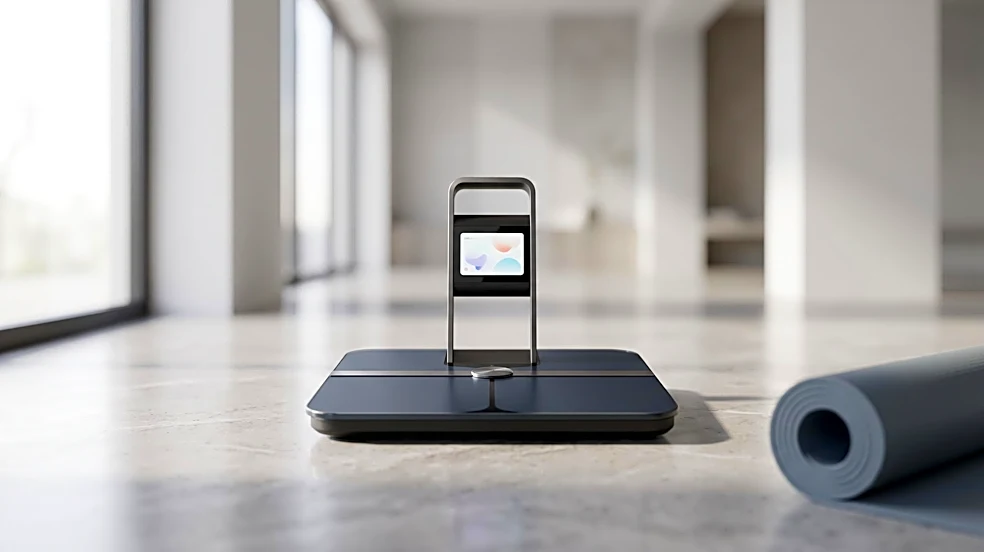
Wyze has launched a new iteration of its smart scale, the Ultra BodyScan Plus, which features a significant design change: a 4.3-inch customizable color screen integrated into a retractable handle. This repositioning allows users to view measurements
at eye level. The new model, priced at $149, is an upgrade from the previous Ultra BodyScan, which retailed for $119.98. Beyond the screen relocation, the Ultra BodyScan Plus expands its health metric tracking capabilities from 13 to over 50, including visceral fat, protein, and basal metabolic rate. It utilizes bioelectrical impedance analysis (BIA) to provide a detailed breakdown of these metrics across different body segments. The scale supports up to eight registered users for storing health metrics and an unlimited number of guests for one-off measurements. It also includes a mode for weighing children, pets, and luggage while being held, though without advanced health metrics. Notably, all features of the Ultra BodyScan Plus are available without any monthly or annual subscription fees, a contrast to some competitors like Withings, which recently introduced a $99.50 annual subscription for syncing health data.
Why It's Important?
The introduction of the Wyze Ultra BodyScan Plus with its handle-mounted screen addresses a common user experience issue with smart scales: the difficulty of reading measurements on a floor-level display. This design innovation could enhance user convenience and engagement with health tracking devices, potentially encouraging more consistent use. The expansion to over 50 health metrics provides a more comprehensive view of body composition, moving beyond basic weight and BMI to offer insights into areas like visceral fat and basal metabolic rate. This level of detail can be valuable for individuals focused on advanced fitness goals, chronic disease prevention, or general wellness. Furthermore, Wyze's decision to offer all features without a subscription fee positions it competitively against rivals that are increasingly adopting subscription models for data access. This could make advanced health tracking more accessible to a broader consumer base, potentially driving wider adoption of smart health devices in the U.S. market and influencing pricing strategies across the industry.
What's Next?
The Wyze Ultra BodyScan Plus is available for purchase through Wyze's online store in black or white color options. Its data synchronization capabilities include Apple Health, Google Health, and Android's Health Connect, either via Bluetooth through a nearby smartphone or directly through a home's Wi-Fi network. This broad compatibility ensures seamless integration into existing digital health ecosystems for many users. The market will likely observe how consumers respond to the handle-mounted screen and the expanded metric tracking, especially in comparison to competitors' offerings and pricing structures. The absence of a subscription fee could put pressure on other smart scale manufacturers to reconsider their own subscription models or enhance their value propositions. Future developments in the smart scale market may see further innovations in display technology, sensor accuracy, and the integration of AI-driven analytics to provide even more personalized health insights.
Beyond the Headlines
The design choice to move the screen to a retractable handle on the Wyze Ultra BodyScan Plus highlights a broader trend in consumer technology: the continuous effort to improve user accessibility and convenience. This seemingly minor ergonomic adjustment can significantly impact the daily usability of a device, making health tracking less cumbersome and more integrated into routine. The shift towards offering advanced health metrics without a subscription fee also touches upon the evolving debate around data ownership and access in the health tech sector. As more personal health data is collected, the business models surrounding these devices become critical. Wyze's approach could set a precedent for consumer expectations regarding free access to their own health data, potentially influencing industry standards and regulatory discussions about data privacy and monetization. This move could also democratize access to detailed body composition analysis, which was once primarily available through professional medical or fitness settings, making it a more common tool for personal health management.