






What's Happening?
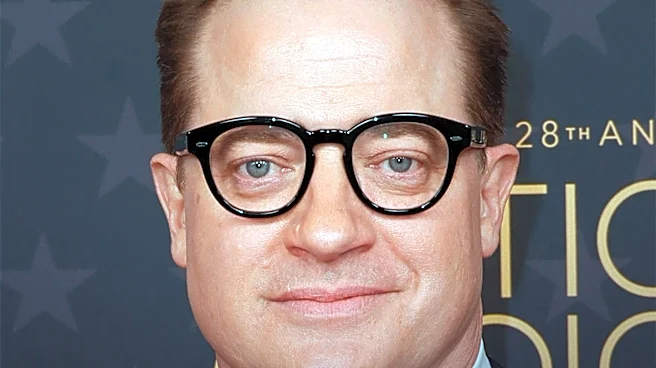
Actor Brendan Fraser experienced significant physical deterioration and injuries during the filming of the 2007 action-adventure movie 'The Mummy: Tomb of the Dragon Emperor.' Fraser, known for performing many of his own stunts, revealed in a 2018 interview
with GQ that he had to create an 'exoskeleton of ice bags and sports tape' daily to manage the pain and swelling. This film, the third installment in 'The Mummy' series, pushed his body to its limits, exacerbating pre-existing conditions like disc and knee problems that stemmed from years of demanding action sequences in his earlier films. Despite the movie being a box-office success, grossing over $400 million, it was critically panned. Fraser's commitment to performing his own stunts, including falls, intense close-combat scenes against martial arts expert Jet Li, and explosive sequences, led to a seven-year period of suffering. This period involved multiple surgical interventions, including knee replacement and spinal surgery, as well as extensive hospital stays and rehabilitation.
Why It's Important?
This account highlights the often-unseen physical sacrifices actors make in the entertainment industry, particularly in action-heavy roles. Fraser's experience underscores the long-term health consequences that can arise from repeated high-impact stunts, which can lead to chronic pain, extensive medical treatments, and a significant impact on an actor's career trajectory and personal life. His story serves as a cautionary tale about the physical demands placed on performers and raises questions about industry practices regarding stunt work and actor safety. It also sheds light on the personal struggles that can lead to a temporary withdrawal from the public eye, as Fraser's physical ailments, coupled with personal setbacks and depression, contributed to his retreat from major Hollywood productions around 2010. His eventual return and Oscar win for 'The Whale' demonstrate a remarkable comeback from these challenges.
What's Next?
While Fraser has successfully re-established his career as a character actor, his past experiences may influence his future role selections, potentially leading him to prioritize less physically demanding projects. The broader entertainment industry may continue to face scrutiny regarding actor safety and the long-term well-being of performers involved in extensive stunt work. Discussions around the use of stunt doubles, CGI, and comprehensive medical support for actors could become more prominent. For Fraser, continued focus on his health and well-being will likely remain a priority as he navigates his career. His story could also inspire further advocacy for better protections and support systems for actors facing similar physical challenges in Hollywood.
Beyond the Headlines
Fraser's candid revelations about his physical struggles delve into the ethical considerations of the entertainment industry's pursuit of realistic action sequences. The pressure on actors to perform their own stunts, often for authenticity or audience appeal, can lead to severe and lasting health issues. This raises questions about the balance between artistic vision and performer welfare. The long-term impact on an actor's body and mental health, as seen in Fraser's case, can be profound, affecting not only their career but also their quality of life. His story also touches upon the broader cultural narrative of celebrity and the often-hidden costs of fame, where the glamorous facade of Hollywood can conceal significant personal hardship and physical toll. It encourages a deeper appreciation for the human element behind the spectacle of cinema.