




What's Happening?
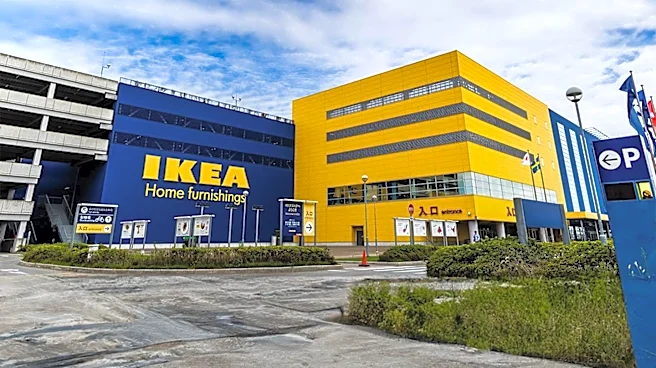
Ikea is expanding its buyback and resale program across all full-format U.S. stores, including its Brooklyn location, starting in September. This initiative allows customers to sell their used Ikea furniture back to the company in exchange for store credit.
Over the past five years, Ikea has repurchased approximately 53,000 items through this program. The buyback program is part of a broader trend where consumers are increasingly turning to secondhand markets to save money and find unique designs. Ikea's program not only appeals to budget-conscious shoppers but also to design enthusiasts looking for specific styles, such as pieces from the Stockholm collection. The program has shown to increase customer loyalty, with participants visiting Ikea stores 50% more frequently in the six months following their participation.
Why It's Important?
The expansion of Ikea's buyback program reflects a growing consumer interest in sustainability and affordability. By offering a platform for secondhand furniture, Ikea is tapping into a market that values cost savings and environmental responsibility. This move could influence other retailers to adopt similar programs, potentially reshaping the retail landscape by integrating more sustainable practices. For Ikea, the program not only boosts customer loyalty but also enhances its brand image as a company committed to sustainability. The success of this initiative could lead to increased sales and a stronger market position, as consumers increasingly prioritize eco-friendly and cost-effective shopping options.
What's Next?
As Ikea rolls out its buyback program nationwide, it may face logistical challenges in managing the influx of used furniture. The company will need to ensure efficient processing and quality control to maintain customer satisfaction. Additionally, Ikea might explore expanding the program to include more product categories or offering additional incentives to encourage participation. The success of this initiative could prompt other retailers to develop similar programs, potentially leading to a more widespread adoption of resale and buyback models in the retail industry.