



What's Happening?
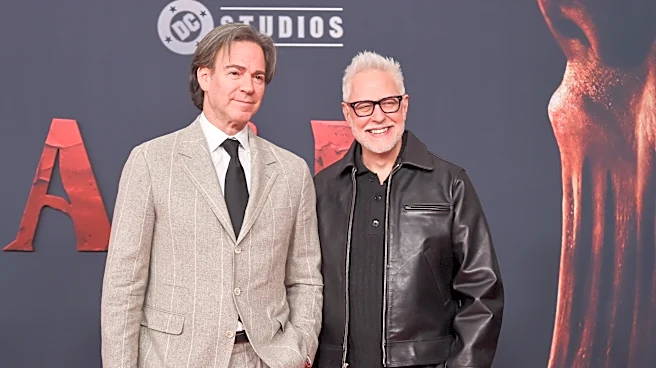
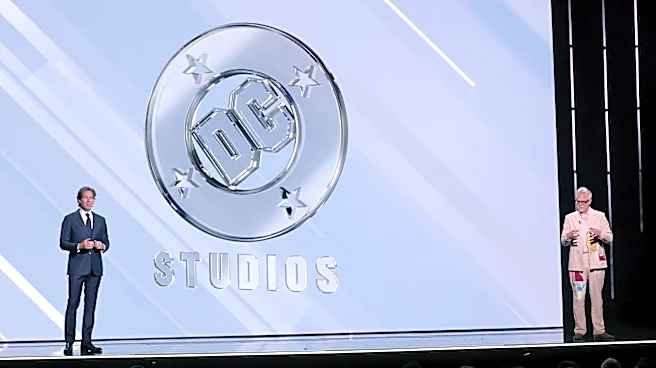
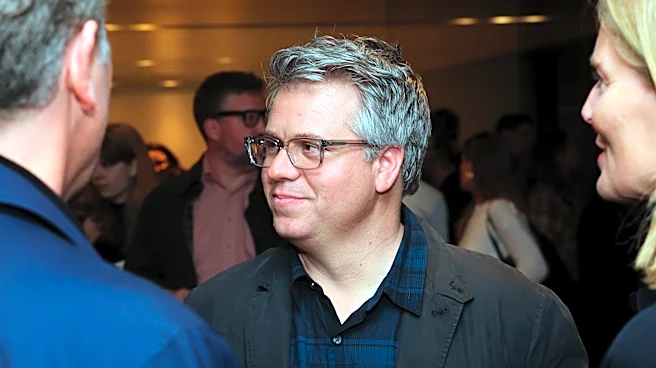
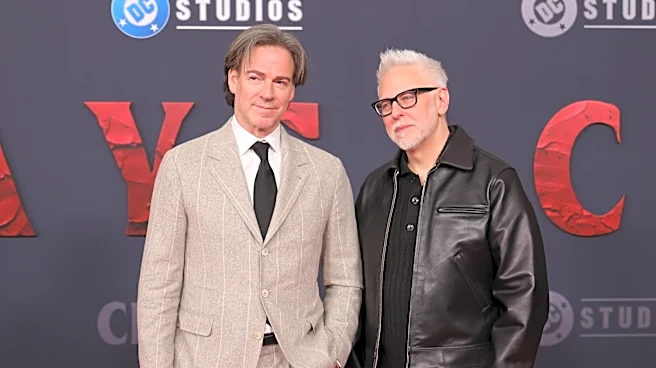
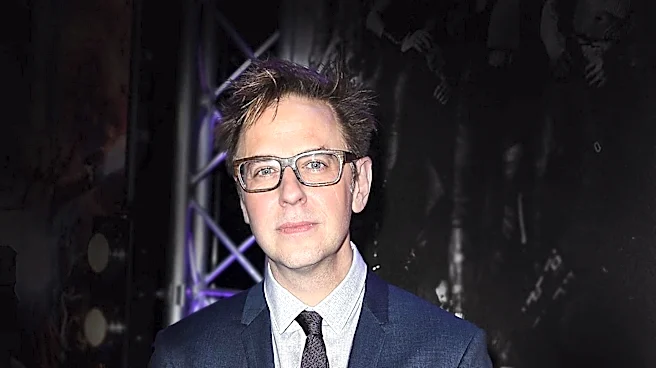
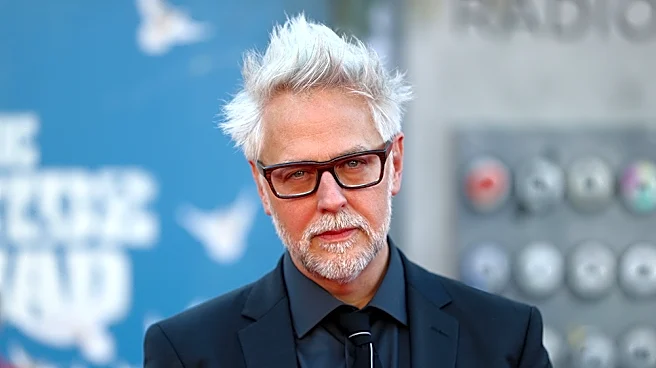
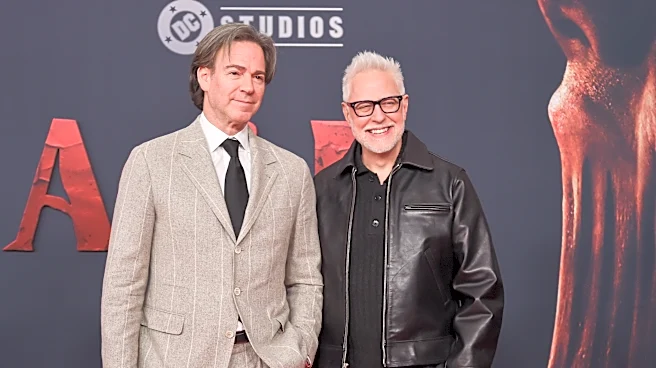
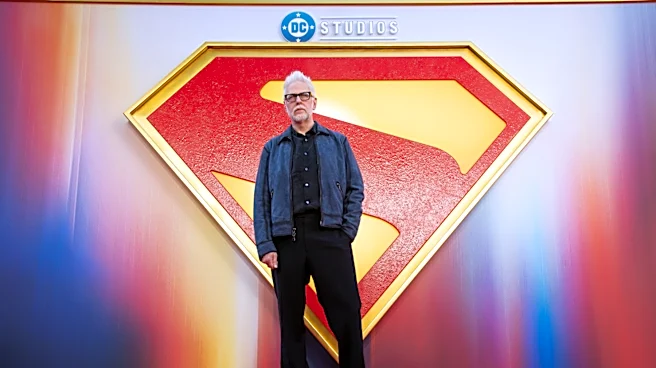
James Gunn and Peter Safran have stepped down as co-heads of DC Studios after a four-year tenure, effective December 1. Skydance, the new owner of DC Studios, announced that Jeremy Latcham, a former Marvel executive, will replace them as president and chief
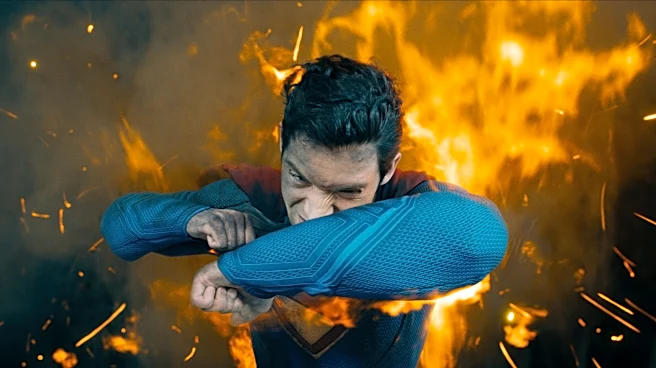
creative officer. Latcham is known for his work on early Marvel Cinematic Universe (MCU) films, including 'The Avengers' and the first MCU 'Spider-Man.' Skydance Chief Executive David Ellison and Co-Chief Executive Ynon Kreiz praised Gunn and Safran for launching a new era for DC Studios and building a slate they are proud of. Gunn, in a personal statement, expressed relief at returning to full-time creative work, citing the 'trying' corporate nature of the studio head role. Despite their departure, Gunn and Safran will continue to oversee post-production on 'Man of Tomorrow' and remain producers on other ongoing DC projects, such as 'The Batman Part 2.'
Why It's Important?
This leadership change at DC Studios marks a significant shift in the direction of one of the U.S.'s major superhero franchises. The departure of Gunn and Safran, who had ambitious plans to create a unified DC cinematic universe akin to Marvel's, suggests a potential re-evaluation of this strategy. The appointment of Jeremy Latcham, with his background in the early, successful phases of the MCU, could indicate a desire to replicate that success, or it could lead to a different approach. The previous strategy of building a shared universe faced challenges, including mixed box office results for some films and audience confusion. The new leadership will need to navigate existing projects, including a second 'Superman' movie and 'The Batman' sequel, while charting a new course for DC's film, television, and animation slate. This transition will impact the creative direction, production schedules, and financial performance of future DC content, affecting stakeholders from filmmakers and actors to investors and the vast fanbase.
What's Next?
Jeremy Latcham will officially assume his role as president and chief creative officer of DC Studios on December 1. His immediate tasks will likely involve assessing the current slate of projects, including those initiated by Gunn and Safran, and outlining his vision for the future of the DC Universe. There is speculation that Latcham might move away from the shared universe model that Gunn and Safran attempted to build, focusing instead on standalone, high-quality superhero films. This shift could lead to changes in project development, casting, and release strategies. Major stakeholders, including Skydance executives, filmmakers, and talent, will be closely watching Latcham's initial decisions to understand the new creative and business direction for DC Studios. The success or failure of his approach will significantly influence the competitive landscape of superhero entertainment in the coming years.
Beyond the Headlines
The change in leadership at DC Studios highlights the ongoing challenges and pressures within the entertainment industry, particularly concerning established intellectual properties and the pursuit of cinematic universes. The 'trying' nature of the corporate role, as described by James Gunn, underscores the complexities of balancing creative vision with business demands and shareholder expectations. The constant comparison to the Marvel Cinematic Universe has created a high bar and a specific expectation for interconnected storytelling, which may not always be the most effective or sustainable approach for every franchise. This transition could spark a broader conversation within Hollywood about the viability and audience appetite for expansive shared universes versus focusing on individual, compelling narratives. The ethical implications of creative control versus corporate oversight, and the impact of mergers and acquisitions on artistic direction, are also brought to the forefront by this development.