



What's Happening?
A variety of gig economy jobs and side hustles are providing U.S. residents with opportunities to earn money quickly, with many methods capable of generating $100 or more within a single day or a few hours. These options range from on-demand services
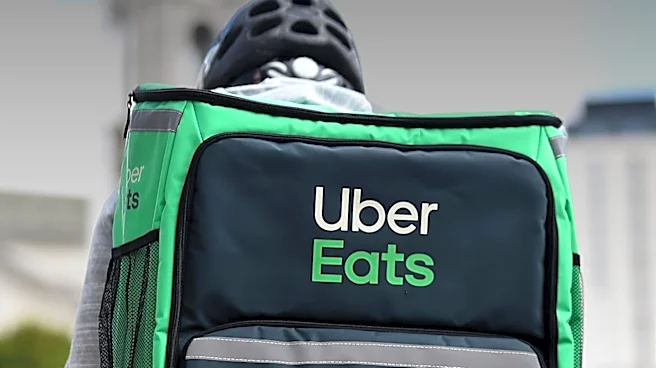
like grocery and food delivery (Instacart, DoorDash, Uber Eats), ridesharing (Uber, Lyft), and package delivery (Amazon Flex), to task-based work such as furniture assembly and home repairs (TaskRabbit). Other methods include donating plasma, participating in focus groups, mystery shopping, and opening bank accounts with sign-up bonuses. Less immediate but still viable options include selling unused items, renting out personal assets like parking spaces or cars, and offering services like pet sitting, house sitting, babysitting, and house cleaning. Freelancing skills and testing websites/apps also provide income streams, though some require more time to reach the $100 mark.
Why It's Important?
The proliferation of these rapid income-generating opportunities is significant for the U.S. economy and its workforce. It provides a flexible safety net for individuals facing immediate financial needs, offering alternatives to traditional employment or high-interest loans. This trend empowers individuals to leverage their time, skills, and assets to supplement their income, pay unexpected bills, or save for specific goals. The accessibility of many of these gigs, requiring no specialized skills or prior experience, lowers barriers to entry for a broad demographic, including students, retirees, and those seeking to transition careers. The gig economy's growth also reflects evolving consumer demands for on-demand services and a shift towards more flexible work arrangements. However, it also highlights potential challenges related to income stability, benefits, and worker protections, as many gig workers operate as independent contractors.
What's Next?
The gig economy is expected to continue its expansion, with more platforms and diverse opportunities emerging. As technology advances, new ways to monetize skills and assets will likely become available. There may be increased scrutiny and potential regulatory changes regarding worker classification, minimum wage, and benefits for gig workers, as states and the federal government grapple with the implications of this evolving workforce model. Platforms will likely continue to refine their algorithms to optimize matching workers with tasks and to offer incentives to retain their workforce. Individuals seeking to earn quick money will need to stay informed about the best-paying and most efficient methods, as pay rates and demand can vary by location and time. The emphasis will remain on flexibility and immediate payment, catering to the needs of those looking for fast cash.
Beyond the Headlines
The rise of rapid income generation through gig work and side hustles reflects deeper societal and economic shifts. It underscores a growing need for financial agility in an unpredictable economic landscape, where traditional employment may not always provide sufficient income or security. This phenomenon also points to a cultural shift towards valuing flexibility and autonomy in work, allowing individuals to tailor their earning activities to their personal schedules and preferences. However, it also raises questions about the long-term sustainability of relying on fragmented income streams and the potential for exploitation if worker protections do not keep pace with the industry's growth. The ease of access to these opportunities, often through smartphone apps, democratizes income generation but also necessitates a critical understanding of terms, conditions, and potential tax implications. Ultimately, these diverse avenues for earning money are reshaping the very nature of work and financial independence in the U.S.