



What's Happening?
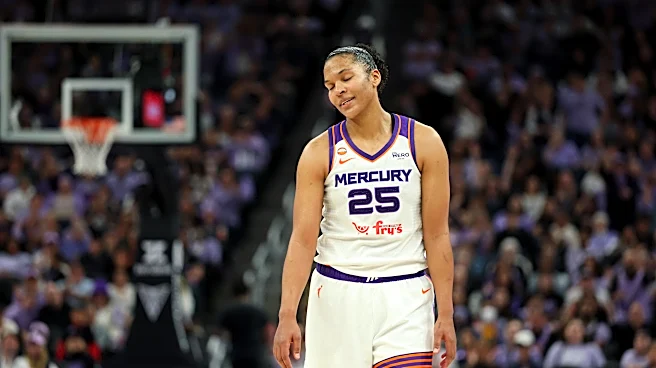
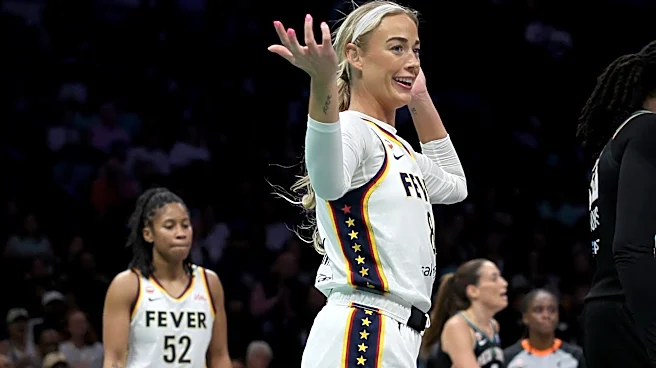
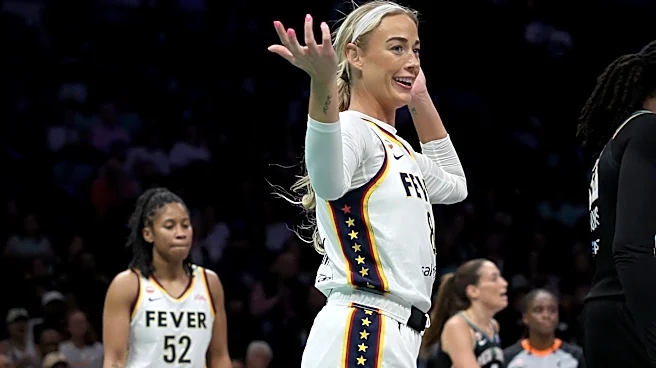
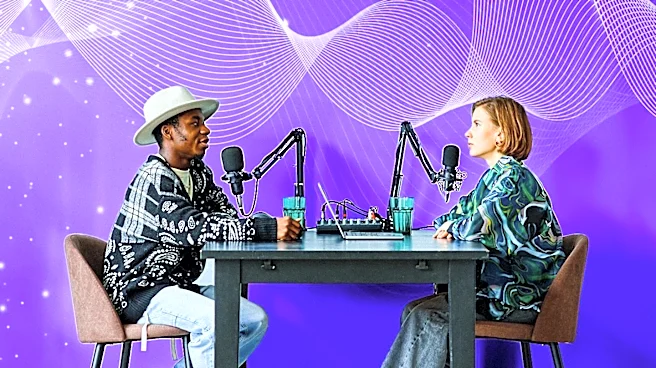
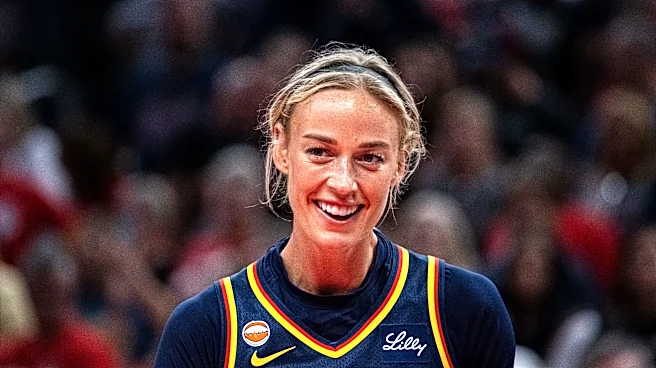
WNBA star Sophie Cunningham appeared on Theo Von's 'This Past Weekend' podcast, where she later expressed discomfort with the direction of the conversation. According to reports, Von repeatedly steered the discussion towards the WNBA dating scene, specifically
focusing on lesbian relationships within the league. Cunningham acknowledged Von's good heart and humor, stating she had a great time with him and enjoyed his show. However, she felt that the persistent focus on this particular aspect of the league was reductive, emphasizing that 'there's so much more to our league than that.' Von's questions reportedly included inquiries about 'lesbian espionage' and a 'lesbian mafia' in the league, and potential animosity between straight, bi, or gay players.
Why It's Important?
This incident highlights the ongoing challenge of media representation for professional athletes, particularly women in sports. While athletes often engage with media to promote their sport and personal brands, the nature of the questions can sometimes detract from their professional achievements and the broader narrative of their league. For the WNBA, which has a diverse player base, such discussions can inadvertently perpetuate stereotypes or reduce the league's complexity to a single aspect of its players' personal lives. This can impact how the league is perceived by potential fans, sponsors, and the general public, potentially overshadowing the athletic prowess and competitive spirit of its teams and players. It also underscores the responsibility of interviewers to maintain a respectful and comprehensive approach when discussing athletes' lives.
What's Next?
The incident may prompt further discussions within sports media about appropriate interview topics and the need for more nuanced coverage of women's sports. Athletes and their representatives might become more selective about media appearances or establish clearer boundaries regarding personal questions. For the WNBA, this could reinforce efforts to control its narrative and promote a more holistic image of its athletes and the league itself. Media outlets and podcasters may face increased scrutiny over their interview styles and content, particularly concerning sensitive topics or those that could be perceived as sensationalizing aspects of athletes' lives. This event could contribute to a broader conversation about media ethics and respectful engagement with public figures.
Beyond the Headlines
Beyond the immediate discomfort expressed by Cunningham, this situation touches on deeper issues of objectification and the trivialization of women's sports. When discussions disproportionately focus on personal relationships rather than athletic performance or professional achievements, it can undermine the legitimacy and seriousness of the sport. This can be particularly frustrating for athletes who dedicate their lives to their craft and seek recognition for their skills and contributions to their sport. The incident also reflects broader societal biases and the tendency to sensationalize aspects of marginalized communities, including LGBTQ+ individuals in sports. It underscores the ongoing need for media literacy and critical engagement with how public figures, especially those from underrepresented groups, are portrayed.