






What's Happening?
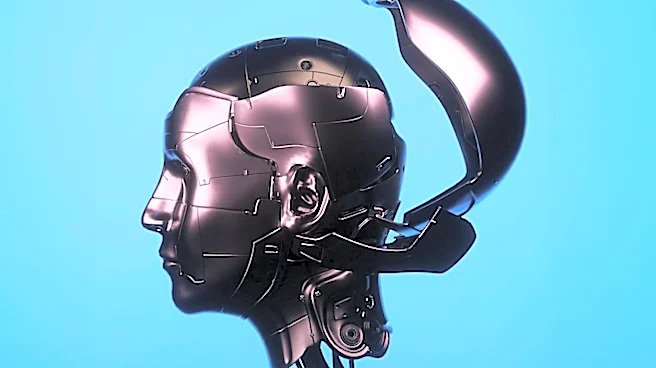
HEAD acoustics has launched the HMS II.3 LN, a low-noise artificial head measurement system designed for comprehensive audio and communication equipment testing. This device features occluded ear simulators with highly sensitive microphones, achieving
a low inherent noise level of 16 dB SPL (A). This makes it suitable for assessing the quality of close-to-the-ear and in-ear audio devices, including mobile phones, headsets, hearing aids, and wearables with or without Active Noise Cancellation (ANC). The HMS II.3 LN can also measure far-to-the-ear transducers in hands-free systems, in-car communication systems, and smart speakers, supporting sound pressure levels up to 148 dB SPL. It complies with ITU-T P.57 and P.58 recommendations, replicating human anatomical acoustic characteristics. The system allows for measurements in both sending and receiving directions, utilizing a two-way mouth loudspeaker to reproduce the full spectrum of the human voice for narrowband to fullband measurements. Its modular design enables users to easily change occluded ear simulators and pinnae for various applications.
Why It's Important?
The introduction of the HMS II.3 LN by HEAD acoustics is significant for the U.S. audio and telecommunications industries, as it provides a highly accurate and versatile tool for quality assurance and product development. With the increasing demand for high-fidelity audio and reliable communication in devices ranging from personal wearables to in-car systems and smart home devices, precise measurement capabilities are crucial. This technology helps manufacturers meet stringent quality standards and improve user experience, potentially leading to more competitive and innovative products in the market. The ability to conduct low-noise measurements ensures that even subtle audio imperfections can be detected and addressed, which is vital for devices with advanced features like ANC. Furthermore, compliance with ITU-T recommendations ensures global interoperability and quality benchmarks, benefiting U.S. companies operating in international markets. This advancement supports the growth of the smart device ecosystem by enabling better voice recognition and audio performance.
What's Next?
Manufacturers of audio and communication devices in the U.S. are likely to integrate the HMS II.3 LN into their research and development processes to enhance product quality and accelerate innovation. This could lead to the development of next-generation devices with superior audio clarity, more effective noise cancellation, and improved voice recognition capabilities. The modular design of the artificial head suggests that it can adapt to future testing requirements, ensuring its relevance as technology evolves. We can expect to see its application in testing new smart home devices, advanced automotive communication systems, and increasingly sophisticated personal audio gadgets. The data collected from such precise measurements will inform design improvements and potentially influence industry standards for audio performance and voice quality. This will ultimately benefit consumers through higher quality and more reliable electronic products.
Beyond the Headlines
Beyond its immediate technical applications, the HMS II.3 LN reflects a broader trend towards hyper-realistic simulation in product development. By accurately replicating human anatomical acoustics, this technology addresses the subtle complexities of human perception, which are often overlooked in less sophisticated testing methods. This focus on human-centric design is crucial for the widespread adoption and satisfaction with voice-controlled and audio-centric devices. The ethical implications of such precise measurement tools include ensuring equitable access to high-quality communication technologies for all users, including those with hearing impairments, as the system can aid in developing more effective hearing aids. Culturally, as voice interfaces become more ubiquitous, the quality of these interactions will shape how humans engage with technology, making tools like the HMS II.3 LN instrumental in fostering seamless and natural human-machine communication. This also highlights the ongoing challenge of balancing technological advancement with the nuanced needs of human experience.