


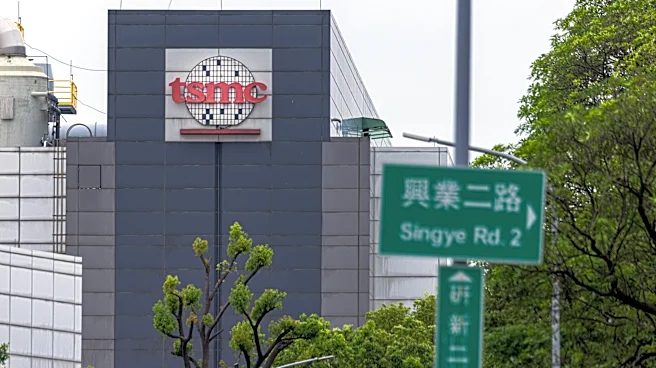

What's Happening?
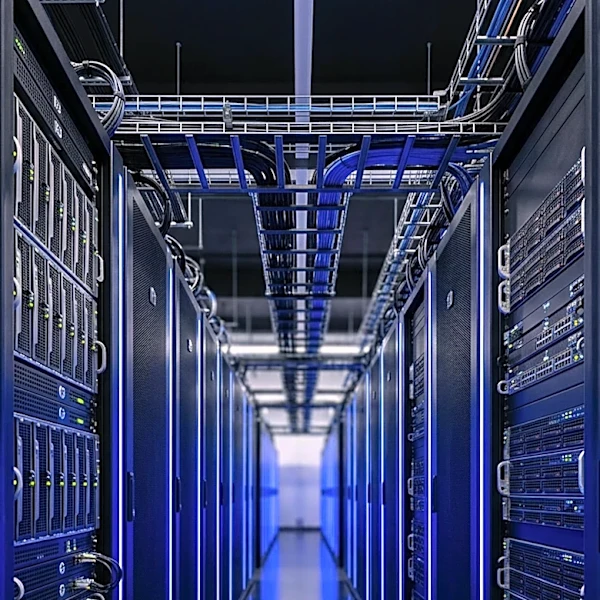
Taiwan is preparing to implement new export controls on AI servers and advanced semiconductors, though the specific effective date and item list have not yet been published. The Minister of Economic Affairs announced that unauthorized shipments of restricted
AI hardware to China could be prosecuted as a crime once the new rules are in force. Currently, Taiwan's Foreign Trade Act already requires permits for Strategic High-Tech Commodities (SHTC), and an item can fall under this system if the buyer is on an entity list or if the end-use is weapons-related. The International Trade Administration (TITA) updated its export entity list on October 22, adding 343 and removing 90 entities, bringing the total to over 11,660. Exporters are advised to screen buyers for entity list inclusion and potential weapons-related end-uses, as well as to classify the final configuration of servers, as control depends on technical specifications. The U.S. affiliates rule, which extends Entity List restrictions to companies at least 50% owned by listed parties, is also due to return on November 10, 2026.
Why It's Important?
These impending export controls from Taiwan are highly significant for the U.S. and global technology industries, particularly given Taiwan's critical role in semiconductor manufacturing. The restrictions aim to prevent advanced AI technology from reaching entities that could use it for military or other sensitive applications, aligning with broader U.S. efforts to curb China's technological advancement in strategic sectors. For U.S. companies that rely on Taiwanese manufacturing for AI servers and chips, these new rules will necessitate rigorous compliance checks, potentially increasing lead times and operational complexities. The emphasis on end-use and end-user screening means that even unlisted items could be subject to controls, requiring a more granular approach to export compliance. This development could also accelerate the diversification of supply chains away from Taiwan for certain high-tech components, as companies seek to mitigate risks associated with geopolitical tensions and evolving export regulations. The U.S. affiliates rule further complicates the landscape, extending the reach of U.S. export controls to a wider array of international transactions.
What's Next?
Exporters in Taiwan and their international partners are advised to proactively prepare for these changes by screening buyers, classifying product configurations, and building permit files. TITA offers formal SHTC identification for a fee, and exporters can apply for permits ranging from six months to three years, depending on their compliance history and destination countries. The lack of a definitive item list and effective date means businesses must remain vigilant for official announcements. Lawmakers are also considering amendments to the Foreign Trade Act to further tighten chip exports to China, indicating a potential for even more stringent regulations. The U.S. position on export controls, including the re-implementation of the affiliates rule, will continue to influence Taiwan's regulatory landscape. Companies involved in the AI server and advanced semiconductor supply chain will need to closely monitor these developments and adapt their strategies to ensure compliance and minimize disruptions.
Beyond the Headlines
The tightening of export controls on AI servers and advanced semiconductors by Taiwan reflects a broader global trend of technology nationalism and strategic competition, particularly between the U.S. and China. This move highlights the increasing weaponization of technology and supply chains as tools of foreign policy. Ethically, it raises questions about the balance between economic prosperity and national security, and the responsibility of technology producers in preventing their innovations from being used for harmful purposes. The long-term implications could include a further fragmentation of the global technology ecosystem, with distinct supply chains emerging for different geopolitical blocs. This could lead to increased costs, reduced innovation through restricted collaboration, and a more complex regulatory environment for technology companies worldwide. The development also underscores the vulnerability of global supply chains to geopolitical tensions, pushing companies to re-evaluate their manufacturing and sourcing strategies.