





What's Happening?
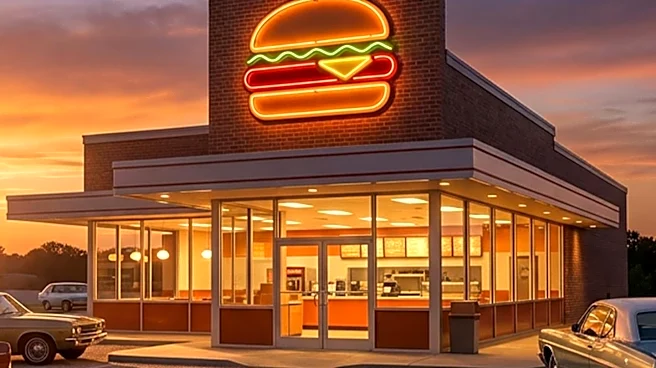
William Rosenberg, the founder of Dunkin' Donuts, launched a retro burger chain called Howdy Beef N' Burger in New England in 1961. Originally named Howdy Beefburger, the chain later changed its name and adopted Howdy Doody, the cowboy marionette from
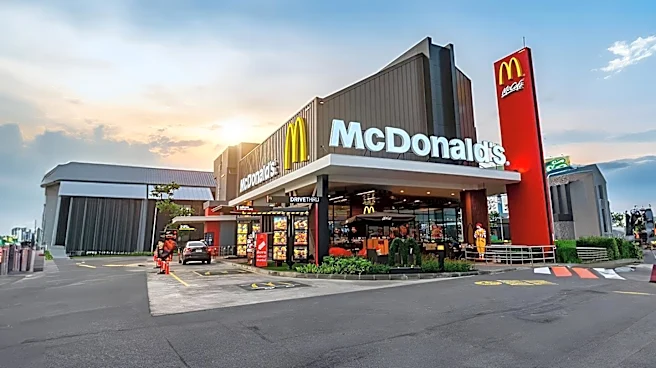
the popular NBC children's show (1947-1960), as its mascot. At its peak, Howdy Beef N' Burger operated around 30 locations, some co-located with Dunkin' Donuts. The menu featured burgers, including a signature 'Big 'B'' burger, roast beef sandwiches, fried chicken, shakes, and New England seafood dishes like clam strips and lobster rolls. The chain focused on family appeal through promotions, prizes, and giveaways for children. However, it faced stiff competition from McDonald's and eventually faded as Rosenberg's son, Robert, shifted the company's focus primarily to Dunkin' Donuts in 1963. By the 1980s, Howdy Beef N' Burger had largely disappeared, with some locations being sold to other restaurant chains.
Why It's Important?
The story of Howdy Beef N' Burger offers a glimpse into the competitive landscape of the American fast-food industry during the mid-20th century and highlights the entrepreneurial spirit of figures like William Rosenberg. It demonstrates how even successful business leaders can experience ventures that don't achieve the same level of widespread recognition as their flagship brands. The chain's reliance on a popular children's TV character, Howdy Doody, reflects a common marketing strategy of the era, aiming to capture the family demographic. Its eventual decline underscores the challenges of sustaining a regional chain against national giants like McDonald's, which were rapidly expanding and standardizing their operations. This historical account provides context for the evolution of American dining habits and the intense competition that shaped the fast-food market, ultimately leading to the dominance of a few major players.
What's Next?
While Howdy Beef N' Burger no longer exists as an active chain, its legacy persists through vintage advertisements, nostalgic memorabilia, and the memories of those who experienced it. The narrative serves as a historical case study for business students and enthusiasts of American pop culture and culinary history. The trend of restaurant chains drawing inspiration from fictional characters, as seen with Bubba Gump Shrimp Co. and Central Perk Coffee Co., continues, indicating the enduring appeal of connecting dining experiences with beloved media. The story of Howdy Beef N' Burger reinforces the idea that even in a dynamic market, some concepts, despite initial promise and strong backing, may not achieve long-term viability, while others, like Dunkin' Donuts, flourish and become household names.
Beyond the Headlines
The rise and fall of Howdy Beef N' Burger can be viewed as a microcosm of broader economic and cultural shifts in post-war America. The emphasis on family-friendly dining and the integration of popular culture icons into commercial ventures were hallmarks of the era. The chain's struggle against McDonald's also illustrates the early stages of the standardization and globalization of fast food, where efficiency and consistent branding began to outweigh regional charm. Furthermore, the story subtly touches on the strategic decisions made by business leaders, such as Robert Rosenberg's choice to narrow the company's focus to Dunkin' Donuts, which proved to be a pivotal moment for the company's future success. This historical anecdote provides a valuable lesson in market adaptation and the importance of strategic focus in a rapidly evolving consumer landscape.