





What's Happening?
Experts highlight the critical role of stretching and mobility in maintaining overall physical well-being, flexibility, and range of motion. Mobility training, distinct from simple stretching, integrates controlled movement with elements of strength,
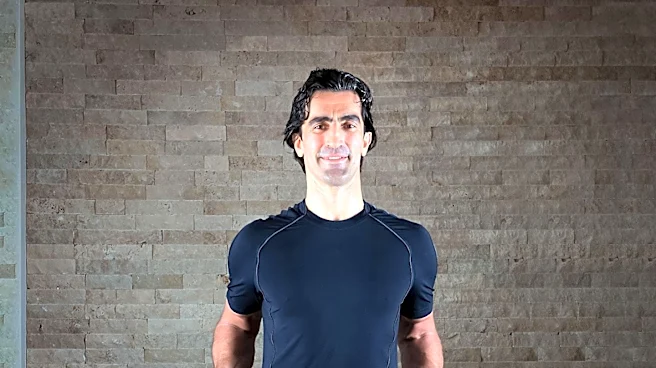
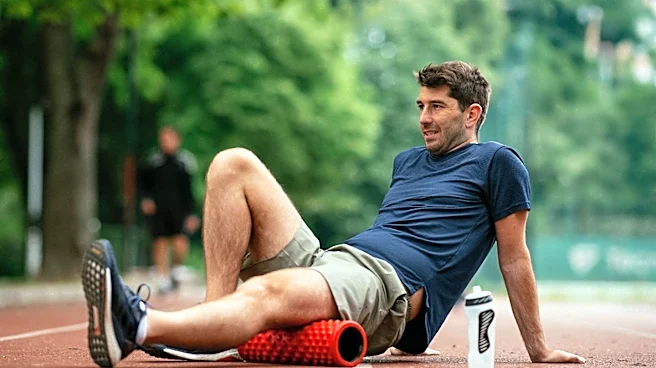
coordination, and stability to actively guide a joint through its full range of motion. Stretching, on the other hand, primarily focuses on increasing flexibility and reducing stiffness. Zaki Afzal, DPT, a sports physical therapist and founder of Optimize Physical Therapy and Performance, has developed a 10-minute full-body dynamic stretch routine designed to alleviate stiffness in joints and tissues, particularly those affected by prolonged sitting and training. This routine can be performed daily for individuals new to stretching or those experiencing significant tightness, and then reduced to three times a week as mobility improves. Domenic Angelino, MS, MPH, CSCS, CPT, chief exercise scientist at FitCraft, notes that regular stretching enhances 'stretch tolerance,' allowing individuals to move into deeper ranges of motion with greater ease. The benefits extend beyond athletic performance, impacting daily activities such as reaching overhead or bending down, making movements less effortful and reducing the likelihood of discomfort.
Why It's Important?
The emphasis on stretching and mobility is crucial for a broad spectrum of individuals, from athletes seeking performance enhancement to the general public aiming for improved daily comfort and reduced injury risk. For athletes, enhanced range of motion and flexibility can directly translate to better execution of movements, increased power, and a lower incidence of muscle strains or tears. In daily life, improved mobility means greater ease in performing routine tasks, which can significantly impact quality of life, especially as individuals age. The ability to move without stiffness or pain contributes to overall physical independence and well-being. Furthermore, by addressing stiffness and tightness, particularly in areas affected by sedentary lifestyles, these practices can mitigate chronic pain and discomfort. The distinction between stretching and mobility training is also significant, as it highlights that true functional movement requires more than just passive flexibility; it demands active control and stability throughout a joint's range of motion, leading to more resilient and adaptable bodies.
What's Next?
Individuals are encouraged to integrate regular stretching and mobility routines into their daily or weekly schedules. For those new to these practices or experiencing significant stiffness, a daily routine, such as the 10-minute dynamic stretch sequence designed by Zaki Afzal, DPT, is recommended. As flexibility and comfort improve, the frequency can be adjusted to about three times a week. Dynamic stretches are advised before physical activity to warm up muscles and joints, while static stretches are better suited for post-workout recovery or dedicated flexibility sessions. The continued promotion of these practices by health and fitness professionals will likely lead to a greater public understanding of their benefits and increased adoption. Educational initiatives could focus on demonstrating proper techniques and explaining the physiological advantages to encourage consistent engagement. Further research may also explore personalized mobility programs tailored to specific occupational demands or individual physical limitations.
Beyond the Headlines
The growing focus on stretching and mobility reflects a broader shift in understanding holistic health, moving beyond just strength and cardiovascular fitness to encompass functional movement and longevity. This trend underscores the importance of preventative care in maintaining physical health and reducing the burden of musculoskeletal issues. Ethically, promoting accessible and simple routines empowers individuals to take proactive steps in managing their physical well-being, potentially reducing reliance on more intensive medical interventions later in life. Culturally, there's a subtle but significant move towards valuing movement quality over mere physical appearance or brute strength, fostering a more sustainable approach to fitness. The integration of mobility work into mainstream fitness programs could also lead to innovations in exercise equipment and training methodologies, further supporting individuals in achieving and maintaining optimal physical function throughout their lives.