






What's Happening?
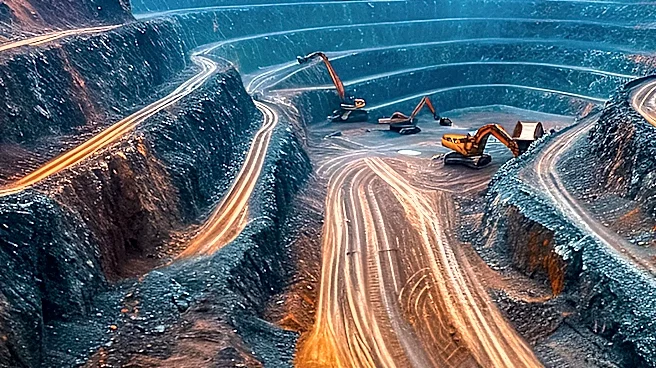
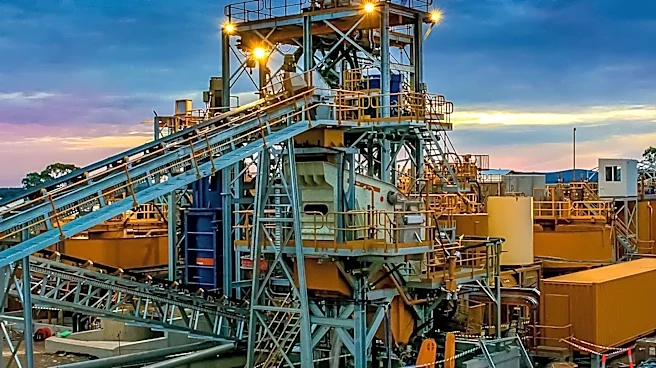
China has proposed to assist Indonesia in enhancing its manufacturing sector, aiming to gain unique access to Indonesia's unprocessed mineral resources. This offer comes as Indonesia continues to ban the export of unprocessed minerals like nickel, bauxite,
and copper to encourage domestic refining. China's ambassador to Jakarta, Wang Lutong, emphasized the potential for integrating supply chains and industrial capabilities between the two countries. The proposal is seen as a strategic move by China to secure a foothold in Indonesia's mineral sector, which is crucial for various industries.
Why It's Important?
This development highlights China's strategic interest in securing mineral resources to support its manufacturing and technological sectors. For Indonesia, the collaboration could lead to increased foreign investment and economic growth, particularly in the manufacturing sector. However, it also raises concerns about dependency on Chinese investment and the potential impact on local industries. The partnership could influence regional economic dynamics, with other countries potentially seeking similar agreements to access Indonesia's mineral wealth.
What's Next?
Negotiations between China and Indonesia are likely to continue, focusing on the terms of collaboration and the extent of China's involvement in Indonesia's mineral sector. The outcome could set a precedent for future international partnerships in the region. Indonesia may need to balance foreign investment with domestic interests, ensuring that local industries benefit from the collaboration. The agreement could also prompt other countries to reevaluate their strategies for securing mineral resources, potentially leading to increased competition in the sector.