






What's Happening?
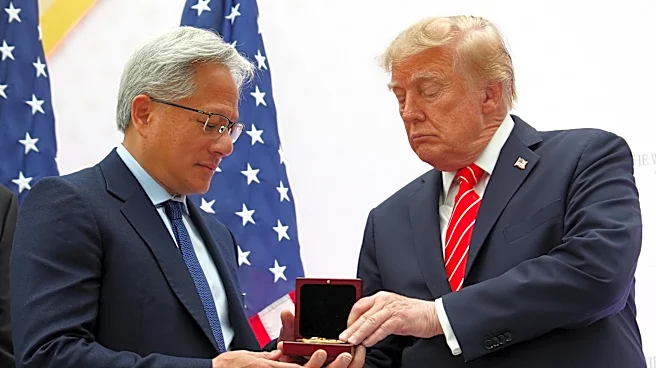
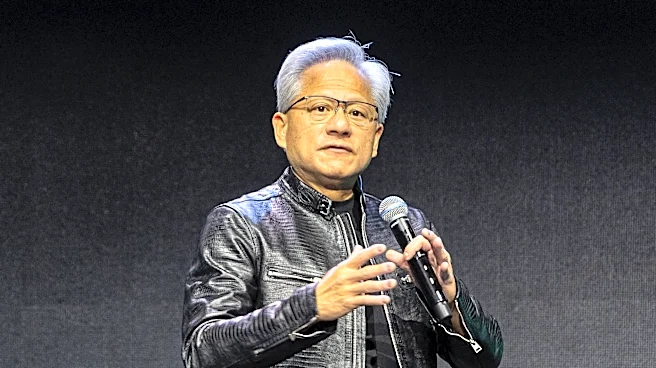
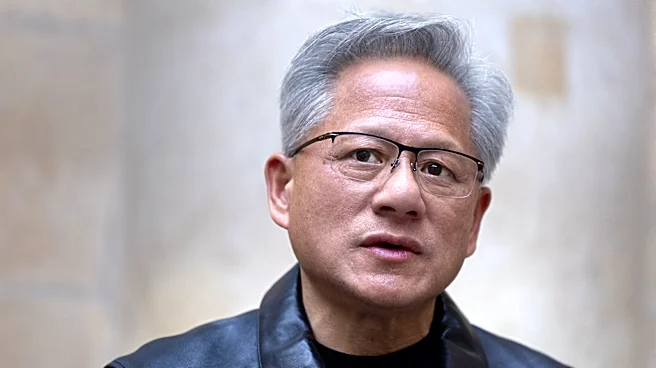
Jensen Huang, the CEO of Nvidia, has resigned from his position. This resignation comes amidst serious allegations of Chinese espionage and revelations concerning extramarital affairs. The news was part of a broader global news roundup that also covered
various international events, including a climate update, escalating tensions with Iran, and political developments in Latin America. The specific details of the Chinese espionage allegations or the extramarital affairs were not elaborated upon in the provided source, but their mention indicates significant personal and professional pressures leading to Huang's departure. This development is part of a week of global news that also included discussions on international relations, economic shifts, and other significant events worldwide.
Why It's Important?
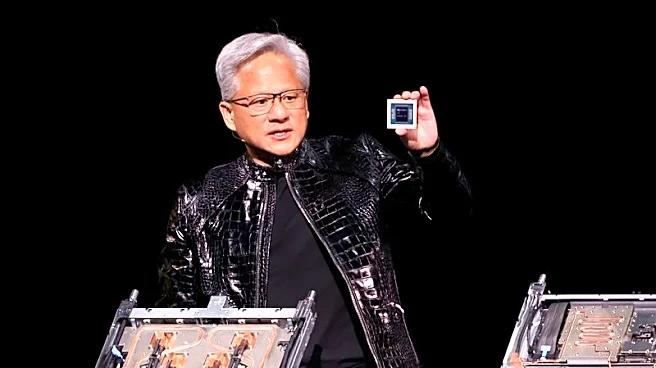
The resignation of a CEO from a major technology company like Nvidia, especially under circumstances involving espionage allegations, carries substantial implications for the U.S. technology sector and national security. Nvidia is a key player in the semiconductor industry, particularly in graphics processing units (GPUs) that are crucial for artificial intelligence, gaming, and data centers. Allegations of Chinese espionage could raise concerns about intellectual property theft, supply chain security, and the broader competitive landscape between the U.S. and China in critical technological fields. Such events can lead to increased scrutiny from government agencies, potential shifts in corporate governance, and a re-evaluation of security protocols within the tech industry. The departure of a long-standing leader like Huang could also impact Nvidia's stock performance, investor confidence, and its strategic direction in a highly competitive global market. The personal revelations, while separate from the espionage claims, add another layer of complexity to the situation, potentially affecting corporate image and leadership stability.
What's Next?
Following Jensen Huang's resignation, Nvidia will likely focus on appointing a new CEO and ensuring a smooth leadership transition to maintain stability and investor confidence. The company may also need to address the espionage allegations, potentially cooperating with government investigations and reinforcing its internal security measures to protect sensitive technology and data. The U.S. government and intelligence agencies may intensify their scrutiny of technology companies with significant international operations, particularly those with ties to China, to mitigate risks of industrial espionage. This event could also prompt broader discussions within the tech industry about executive oversight, personal conduct, and the challenges of operating in a complex geopolitical environment. Nvidia's future strategic direction, particularly in areas like AI and advanced computing, will be closely watched as the company navigates this leadership change and addresses the underlying issues.
Beyond the Headlines
The resignation of Nvidia's CEO under these circumstances highlights the increasing intersection of corporate leadership, national security, and personal ethics in the modern global economy. The allegations of Chinese espionage underscore the ongoing geopolitical competition for technological dominance, where intellectual property and innovation are critical assets. This situation could trigger a deeper examination of corporate vulnerabilities to state-sponsored industrial espionage and the need for more robust cybersecurity and counterintelligence measures within U.S. tech firms. Furthermore, the inclusion of personal revelations alongside professional misconduct allegations points to the intense public and media scrutiny faced by high-profile executives, where personal lives can significantly impact corporate reputation and leadership effectiveness. This event may contribute to a broader re-evaluation of corporate governance standards and the expectations placed on leaders of major technology companies, particularly those operating in sensitive sectors with national security implications.