



What's Happening?
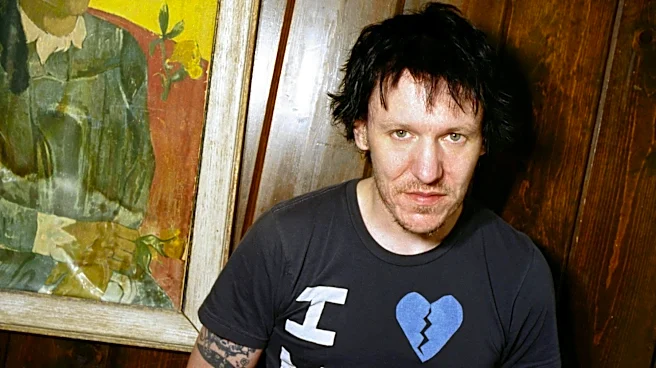
Supreme, the streetwear brand, has released an Elliott Smith capsule collection, featuring artwork from the late musician's albums. This collaboration, made with permission from Smith's estate, has generated significant online discussion and controversy.
Critics argue that Supreme, with its corporate investments and high-fashion associations, is an inauthentic partner for an artist like Smith, who is often associated with anti-consumerism. However, the brand asserts that this collaboration aligns with its long history of working with musicians, including Michael Jackson, the Velvet Underground, and Nirvana, dating back to its founding in 1994. Supreme emphasizes that all estates and relevant parties are compensated in these collaborations, providing a valuable revenue stream for artists' legacies in an era of diminishing returns from streaming services. The brand also highlights Smith's historical connection to skate culture, noting his friendships with figures like Mike Mills, who designed graphics for Stereo and an early Supreme logo, and the frequent use of his music in skateboarding videos.
Why It's Important?
This event highlights a recurring tension between artistic integrity and commercial ventures in the music and fashion industries. For artists' estates, such collaborations can be a crucial method of generating income and keeping an artist's work relevant to new generations, especially when traditional music revenue streams are declining. However, for fans, particularly those who associate an artist with counter-culture or anti-establishment sentiments, commercial partnerships with large brands can be perceived as a betrayal of the artist's ethos. The debate also underscores the evolving nature of brand authenticity in the digital age, where social media can quickly amplify both support and criticism. The controversy surrounding Supreme's collaboration with Elliott Smith reflects broader discussions about how artists' legacies are managed and monetized after their passing, and the delicate balance between preserving artistic values and ensuring financial sustainability for their work and heirs.
Beyond the Headlines
The controversy surrounding the Supreme and Elliott Smith collaboration delves into deeper cultural implications regarding the commodification of art and identity. It raises questions about who has the right to interpret and represent an artist's legacy, particularly when the artist is no longer alive to voice their own opinion. The online backlash, characterized by some as 'rage-bait,' suggests a generational divide in how authenticity and commercialism are perceived. Younger generations, often exposed to artists through digital platforms, may have different expectations for how an artist's work should be presented and preserved. This incident also touches on the idea of 'gatekeeping' in fandom, where some fans feel a proprietary right over an artist's image and message, resisting any perceived dilution through mainstream commercialization. Ultimately, it reflects a continuous negotiation between artistic expression, fan culture, and the economic realities of the creative industries.