








What's Happening?
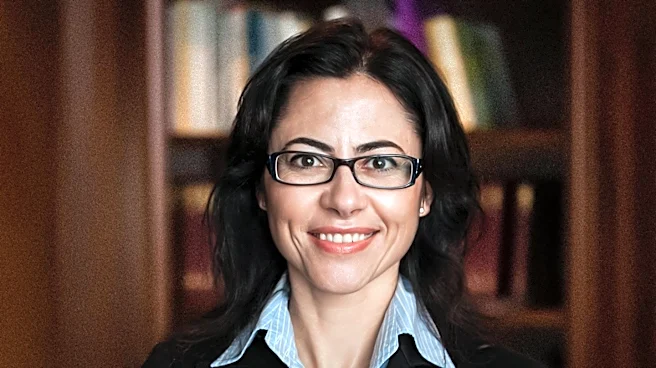
Caitlin B. Wiley-Walker has joined Stoel Rives LLP as an environmental litigation attorney. Based in Sacramento and San Francisco, Ms. Wiley-Walker specializes in representing public and private sector clients in various environmental legal matters. Her
expertise encompasses contaminated property disputes, toxic tort claims, environmental enforcement matters, regulatory compliance issues, and environmental risk management. Her work specifically addresses issues arising under the Comprehensive Environmental Response, Compensation, and Liability Act (CERCLA) and California environmental statutes. She provides counsel on environmental due diligence, liability allocation, and regulatory exposure related to contaminated properties. Prior to her role at Stoel Rives, Ms. Wiley-Walker handled litigation involving contaminated sites, environmental enforcement actions, real estate disputes, construction defect claims, habitability matters, asbestos-related claims, and product liability cases. Her experience includes managing discovery, expert development, depositions, motion practice, mediation, and trial preparation in both state and federal courts. She also supported environmental and consumer protection enforcement with the Contra Costa County District Attorney's Office Special Operations Division.
Why It's Important?
The addition of Caitlin B. Wiley-Walker to Stoel Rives LLP strengthens the firm's capacity to handle complex environmental litigation and regulatory matters, which is crucial for businesses and public entities operating in California and Oregon. Her specialized knowledge in CERCLA and California environmental statutes is particularly significant given the stringent environmental regulations in these states. Businesses involved in real estate transactions, particularly those with potentially contaminated properties, will benefit from her expertise in environmental due diligence, liability assessment, and risk management. This is vital for mitigating financial and legal risks associated with environmental liabilities. For industries facing toxic tort claims or environmental enforcement actions, her experience in litigation strategy, motion practice, and trial preparation offers a robust defense. The move underscores the growing demand for specialized environmental legal services as regulatory landscapes evolve and environmental concerns become more prominent in business operations and public policy.
What's Next?
Caitlin B. Wiley-Walker will continue to represent clients in environmental litigation and provide counsel on environmental risk management. Her focus will remain on matters arising under CERCLA and California environmental statutes, assisting clients with contaminated property issues, toxic tort claims, and regulatory compliance. She will likely be involved in developing case strategies, managing discovery processes, and preparing for trials in state and federal courts. Her advisory role will extend to environmental due diligence in real estate transactions, helping clients understand and mitigate potential regulatory obligations and liability exposure. The firm's enhanced environmental litigation capabilities may attract more clients seeking specialized legal support in this complex and evolving area of law, particularly those with operations in California and Oregon, where environmental regulations are often at the forefront of legal and business considerations.
Beyond the Headlines
The recruitment of specialized environmental attorneys like Caitlin B. Wiley-Walker reflects a broader trend in the legal industry driven by increasing environmental awareness, stricter regulatory enforcement, and the growing complexity of environmental laws. This trend highlights the significant financial and reputational risks that businesses face if they fail to comply with environmental regulations or manage environmental liabilities effectively. The emphasis on environmental due diligence in real estate transactions, for instance, underscores a shift towards proactive risk management rather than reactive litigation. Furthermore, the focus on toxic tort claims and contaminated property disputes points to the long-term societal and public health implications of industrial activities. The legal framework, including CERCLA and state-specific statutes, aims to ensure accountability and remediation, ultimately contributing to environmental protection and public welfare. This specialization also indicates the evolving nature of legal practice, where interdisciplinary knowledge of science, engineering, and law is becoming increasingly critical.