


What's Happening?
Actress Christina Applegate recently disclosed that the initial salary offer for her role as Veronica Corningstone in the 2004 film 'Anchorman: The Legend of Ron Burgundy' was so low she found it 'offensive' and initially turned it down. During an appearance
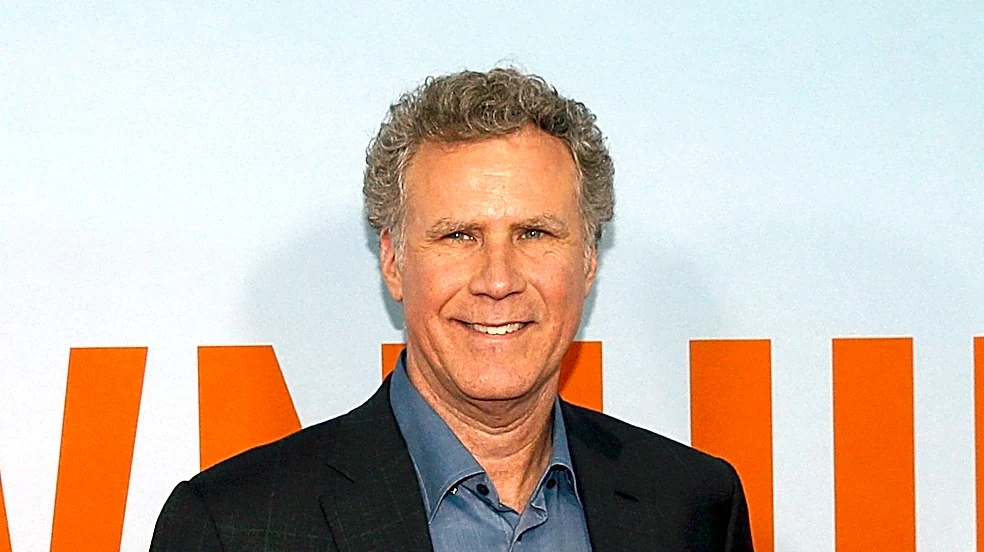
on 'The View,' Applegate stated that she felt the offer did not reflect her worth. In an unusual move, co-star Will Ferrell and director Adam McKay reportedly 'chipped in' from their own salaries to increase Applegate's pay, ensuring she would accept the role. This revelation comes as Applegate promotes her new memoir, 'You With the Sad Eyes,' where she discusses her career and personal health struggles. Fans have noted the irony of the situation, as the film itself centers on a female character fighting for equal treatment in a male-dominated newsroom.
Why It's Important?
This incident highlights the persistent issue of pay disparity in Hollywood, particularly for female actors. While public discussions about the gender pay gap in the entertainment industry have been ongoing for years, Applegate's story provides a concrete example of how individual actors, even established ones, can face significantly lower offers compared to their male counterparts. The intervention by Will Ferrell and Adam McKay is notable because it demonstrates a rare instance of powerful male figures using their leverage to directly address and mitigate a pay gap for a female colleague. This action could serve as a precedent or inspiration for other high-profile individuals in the industry to advocate for more equitable compensation, potentially influencing future contract negotiations and studio practices. The public reaction, with fans drawing parallels to the film's themes, underscores a broader societal awareness and concern regarding fair compensation and gender equality.
What's Next?
Christina Applegate's revelation is likely to fuel further discussions within Hollywood and among the public regarding pay equity. Her memoir, 'You With the Sad Eyes,' which touches on these career experiences, will continue to draw attention to the issue. While there are no immediate policy changes or industry-wide mandates expected directly from this anecdote, it adds to the growing body of evidence and personal accounts that pressure studios and production companies to re-evaluate their compensation structures. The story may encourage other actors, particularly women, to speak out about their own experiences with pay disparity, potentially leading to more collective action or advocacy efforts. It also sets a positive example for how male allies in positions of power can actively contribute to closing the pay gap, potentially inspiring similar actions in future productions.
Beyond the Headlines
The deeper implication of Applegate's story lies in its reflection of systemic issues within the entertainment industry and beyond. The fact that a well-known actress had to rely on the generosity of her male colleagues to receive what she considered fair compensation speaks to the entrenched nature of gender-based pay disparities. This isn't merely about individual salaries but about the perceived 'market value' of women's work versus men's work, a bias that extends into many professional fields. The irony of the situation, where the real-life experience mirrored the film's narrative about a woman breaking barriers in a male-dominated field, underscores how little progress has been made in some areas despite increased awareness. This incident serves as a reminder that while conversations about pay equity are important, tangible actions, such as those taken by Ferrell and McKay, are crucial for creating meaningful change and challenging long-standing inequalities.